Locations:





Whether you need help falling or staying asleep, our experts are here to help. They share insights on topics like how much sleep you need, why you’re waking up tired, sleep hygiene best practices, supplements and why trends like mouth taping are so dangerous.
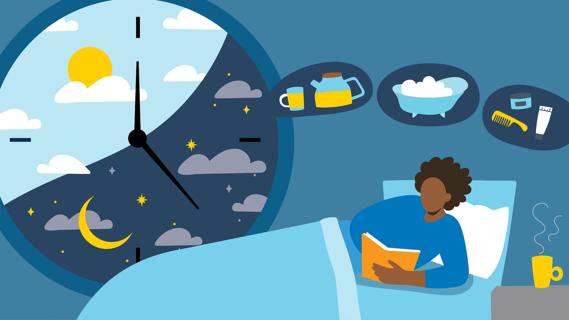
A regular sleep schedule is essential to your well-being — be consistent and take time to wind down

There’s no one sleep position that’s best for everyone — but you may benefit from sleeping a certain way depending on your individual needs
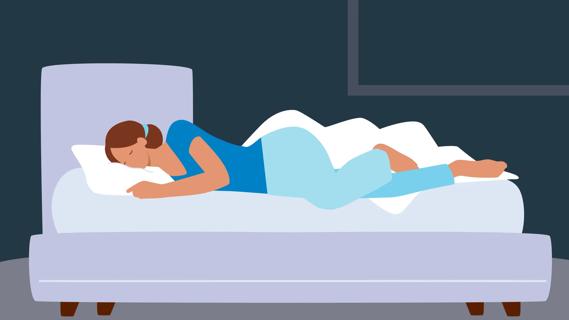
If you’re feeling short of breath, sleep can be tough — propping yourself up or sleeping on your side may help

Dry air and acid reflux are just two of the many possible causes of your scratchy throat
Advertisement
Cleveland Clinic is a non-profit academic medical center. Advertising on our site helps support our mission. We do not endorse non-Cleveland Clinic products or services. Policy

Changing hormones, mental health issues and a higher risk for sleep disorders can all impact women’s sleep needs

Nighttime asthma attacks can be due to acid reflux, allergens and hormonal changes, but treatment can help prevent them

Drink some water, take a little walk, step away from your computer and chat with a coworker, or even your toddler, to help ward off daytime sleepiness

The need for sleep often takes a back seat for teens, but they need eight to 10 hours of sleep to stay mentally healthy, strengthen their brains and prevent injury

The military sleep method promises to get you snoozing in two minutes — the techniques are sound but outcomes may vary

Sleeping on your back for long stretches may impact circulation as your bump gets bigger — sleeping on your side is safest
Advertisement
Advertisement
 Search