Locations:






Silent sleep apnea can still disrupt your sleep and affect your long-term health

Obstructive sleep apnea can lead to high blood pressure — and vice versa

Sleep apnea is associated with sudden cardiac death and other complications that increase your risk of mortality
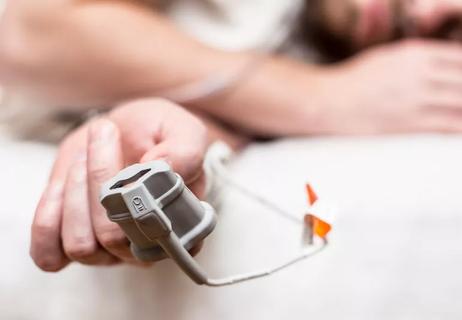
Here’s what to know from a sleep medicine specialist
Advertisement
Cleveland Clinic is a non-profit academic medical center. Advertising on our site helps support our mission. We do not endorse non-Cleveland Clinic products or services. Policy

This connection is yet another reason to seek help for OSA
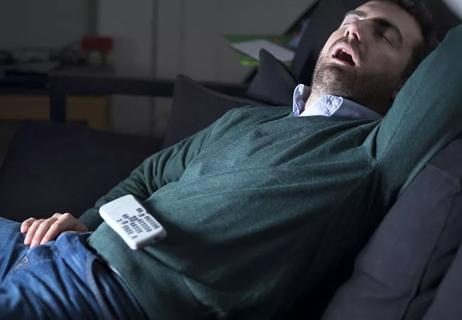
Manage your sleep apnea and keep your diabetes in check
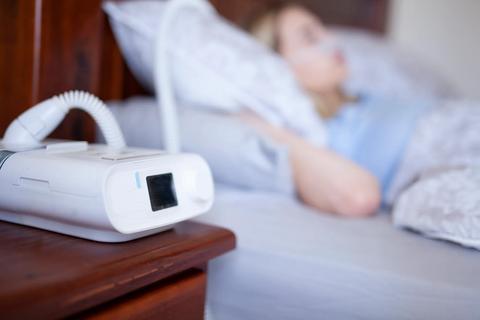
The right mask fit, pressure settings and machine adjustments can help make this treatment more comfortable
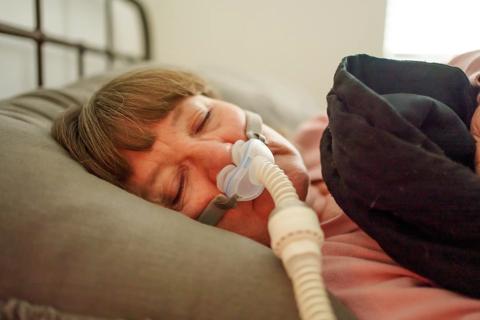
Genes, family history and anatomy can all influence obstructive sleep apnea — but lifestyle factors can, too
Sleep disorders, mental health conditions and other health concerns can all affect the quality of your sleep
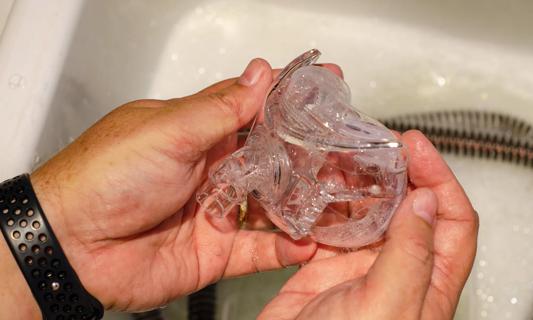
A clean CPAP machine can help you sleep and breathe better
Advertisement
Advertisement
 Search