Locations:





The right mask fit, pressure settings and machine adjustments can help make this treatment more comfortable
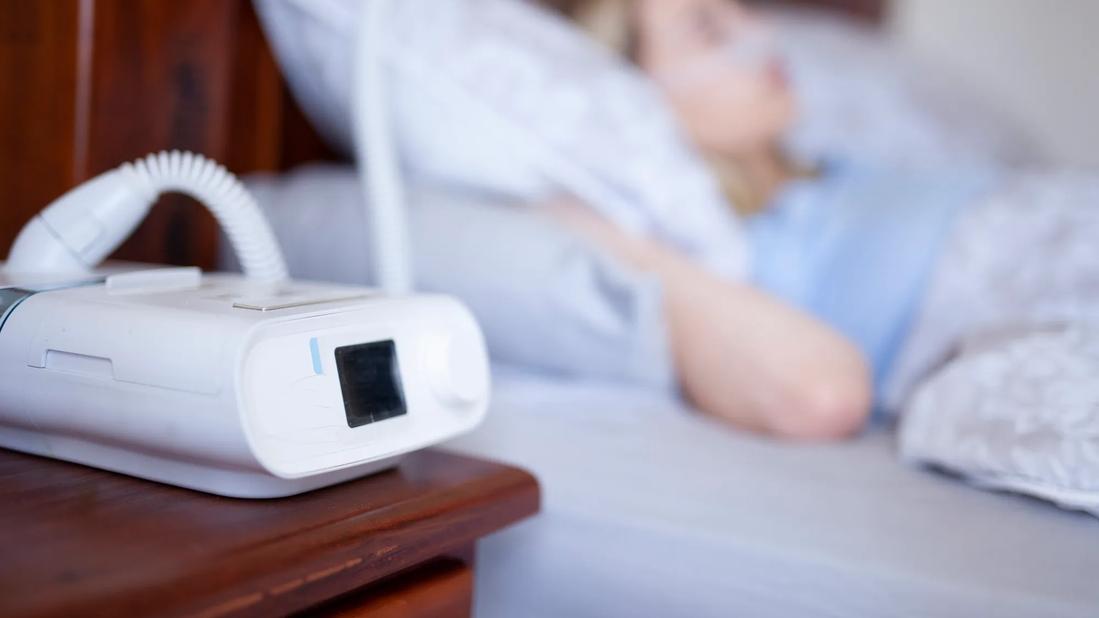
Image content: This image is available to view online.
View image online (https://assets.clevelandclinic.org/transform/b2878769-fedd-4c6f-bb6f-d8accc1fa77d/sleep-aid-machine-1253052589)
CPAP machine on night stand, as person sleeps with the CPAP mask on
When you’re first prescribed a CPAP machine to treat obstructive sleep apnea, you may feel excited about what’s to come — namely, better sleep at night and more energy during the day.
Advertisement
Cleveland Clinic is a non-profit academic medical center. Advertising on our site helps support our mission. We do not endorse non-Cleveland Clinic products or services. Policy
But that excitement can quickly turn to frustration if you start struggling with your CPAP machine. Maybe the mask doesn’t fit quite right. Maybe wearing it makes you feel claustrophobic. Or maybe it feels like it’s putting too much pressure on your airways.
“CPAP is often our best option to provide people with quick and effective treatment for obstructive sleep apnea,” says sleep medicine specialist Loutfi Aboussouan, MD. “But it can take some getting used to.”
If you’re having trouble with your CPAP, don’t assume that this treatment won’t work for you. Often, the first step is figuring out what’s causing the problems — and working with your healthcare provider to troubleshoot them.
“We can work with you to identify the specific issue that’s making the CPAP intolerable for you,” Dr. Aboussouan says. Here are some common problems and how to approach them.
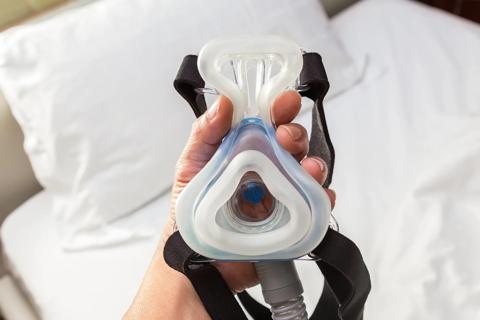
Sometimes, it’s a matter of figuring out which type of CPAP mask is the right fit for you — literally. Some styles cover your nose and mouth; others only cover your nose. And within each of those categories, there are many different designs.
So, if the mask you’re using doesn’t feel right, your healthcare provider can help figure out which kind might work better.
Advertisement
“A mask that’s not fitting well can ultimately prevent you from using your CPAP,” Dr. Aboussouan says. “In fact, it often takes two to three masks before we find the one that’s right for you.”
And don’t be discouraged if you have had a previous poor experience with CPAP masks.
“The technology is always changing,” he notes. “The masks of today are smaller, lighter and more comfortable than ever.”
A CPAP machine delivers air throughout the night to help keep your airways open while you sleep. But sometimes, the pressure of that air can be too much for you to handle comfortably.
“There are many possible reasons this can happen,” Dr. Aboussouan says. “The key is figuring out what’s causing the problem for you so we can then troubleshoot it appropriately.”
Depending on what’s at the root of the issue, your provider may:
There are a few reasons your mask may leak air at night, like if it doesn’t fit right or slips out of position while you sleep.
“Refitting your mask, replacing a worn-out part or adding a chin strap may put an end to leaks,” Dr. Aboussouan says. “Avoiding facial creams before bedtime can also keep the mask from sliding on your face, which sometimes contributes to leaks.”
Your sleeping position may play a role, too, like if your mask falls off when you roll over. Luckily, there are some possible solutions.
“There are CPAP pillows and nasal strips that can help you sleep in your preferred position while maintaining the mask seal,” he adds. “They’re specially shaped to mold to the shape of your nose, or they sometimes have cutouts that prevent the mask from pushing on the pillow and creating a leak.”
In the beginning, sleeping with a face mask makes some people feel confined, enclosed or trapped.
“The traditional full-face CPAP masks are the ones that go over the bridge of the nose and under the mouth,” Dr. Aboussouan explains. “Those are the ones that sometimes make people feel claustrophobic.”
But again, there are lots of face mask options to choose from. If the one you’re currently using makes you feel boxed in, your provider can recommend one that’s less likely to trigger that feeling.
The cold, dry air that flows from your CPAP machine throughout the night can dry out your nose and mouth. And sometimes, machines that can detect leaks start putting out more air to compensate, which can be especially drying.
Advertisement
“If you’re experiencing this unpleasant effect, talk to your provider,” Dr. Aboussouan advises. “They’ll want to start by making sure that your mask fits properly and that you’re aware of the humidification features of your machines. You can control them on your own, depending on the season, to help resolve the dryness.”
They may recommend other solutions, too, like a heated humidifier attachment to help moisten your nasal passages. Other options may include:
“Nasal congestion is a common problem that compels people to stop using CPAP therapy,” Dr. Aboussouan reports. “Pressurized air is very drying, and that can be very uncomfortable for some people.”
A humidifier attachment may help. They’ve been found to increase CPAP use and improve daytime sleepiness. Your provider may also consider prescribing topical nasal steroids.
Just don’t try to treat the problem on your own. Dr. Aboussouan warns, for example, that topical decongestants (like over-the-counter nasal sprays) can actually worsen CPAP-related congestion, not improve it.
Wearing a CPAP mask every night may cause skin issues like acne, irritation and indentations on certain parts of your face.
Advertisement
“These problems are often related to too-tight straps or an ill-fitting mask,” Dr. Aboussouan says. “Instead of trying to solve the problem on your own, though, ask your provider for help getting the right fit.”
Here are some other ways they may suggest addressing specific concerns:
In some cases, you may need a different type of CPAP mask or device.
What’s sometimes called “CPAP belly” is technically aerophagia, which can happen if you swallow too much air overnight. All that air then collects in your gut and leads to uncomfortable issues like:
“Your provider may recommend sleeping with your head elevated to keep you from ingesting too much air overnight,” Dr. Aboussouan says. “Or they may want to adjust the pressure or switch you to a type of PAP therapy that’s less likely to cause aerophagia.”
Advertisement
Adding one more thing to your list of things to keep clean can be ... well, really annoying. But keeping your mask fresh is one of the keys to making sure it works well (and to avoiding CPAP-related acne).
And Dr. Aboussouan says cleaning your CPAP machine doesn’t have to feel daunting.
“A cheap and effective method is to use simple soap and water to clean the mask and the tubing,” he shares. “And there are CPAP-specific wipes you can use to clean your mask of oils and creams, which helps reduce leaks and improve the mask seal.”
CPAP problems can’t always be avoided. It can often take a few times to find the correct mask and fit for you. But there are some best practices to follow:
Remember: Using a CPAP machine is one of the most effective ways to manage obstructive sleep apnea. So, it’s important not to ditch the device if you have trouble getting used to it. It can take a few weeks to get used to — and your provider is there to help.
“If you’re having trouble using CPAP, we want to know exactly what’s going on,” Dr. Aboussouan encourages. “Is the pressure too high? Is there too much leak? Is the mask coming off your face at night? Is it uncomfortable because it’s putting pressure on the bridge of the nose?”
The specifics are important, he says, because there’s often good news on the other end: “For each of those problems, there are solutions that we can investigate — so we can get back to effectively managing your sleep apnea.”

Sign up for our Health Essentials emails for expert guidance on nutrition, fitness, sleep, skin care and more.
Learn more about our editorial process.
Advertisement
Genes, family history and anatomy can all influence obstructive sleep apnea — but lifestyle factors can, too
CPAPs aren’t counted as carry-ons and they’re easy to pack and transport
Silent sleep apnea can still disrupt your sleep and affect your long-term health
Obstructive sleep apnea can lead to high blood pressure — and vice versa
Sleep disorders, mental health conditions and other health concerns can all affect the quality of your sleep
Sleep apnea is associated with sudden cardiac death and other complications that increase your risk of mortality
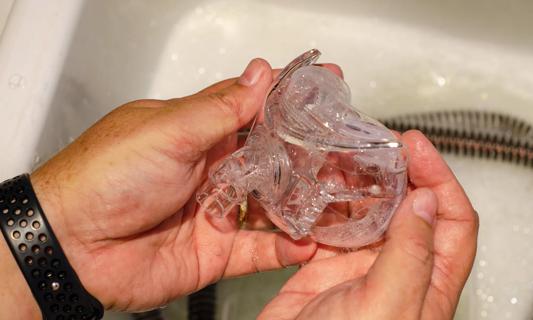
A clean CPAP machine can help you sleep and breathe better
Using nasal strips and propping your head up in bed are just two ways that may help you stop snoring

Managing your weight through physical activity may lower your chances of getting this common cancer
It typically starts in October and winds down in early spring, with cases at their highest in the middle of winter
Anxiety disorders, health conditions and past trauma can make driving nerve-wracking — help is available
 Search