Locations:





CPAPs aren’t counted as carry-ons and they’re easy to pack and transport
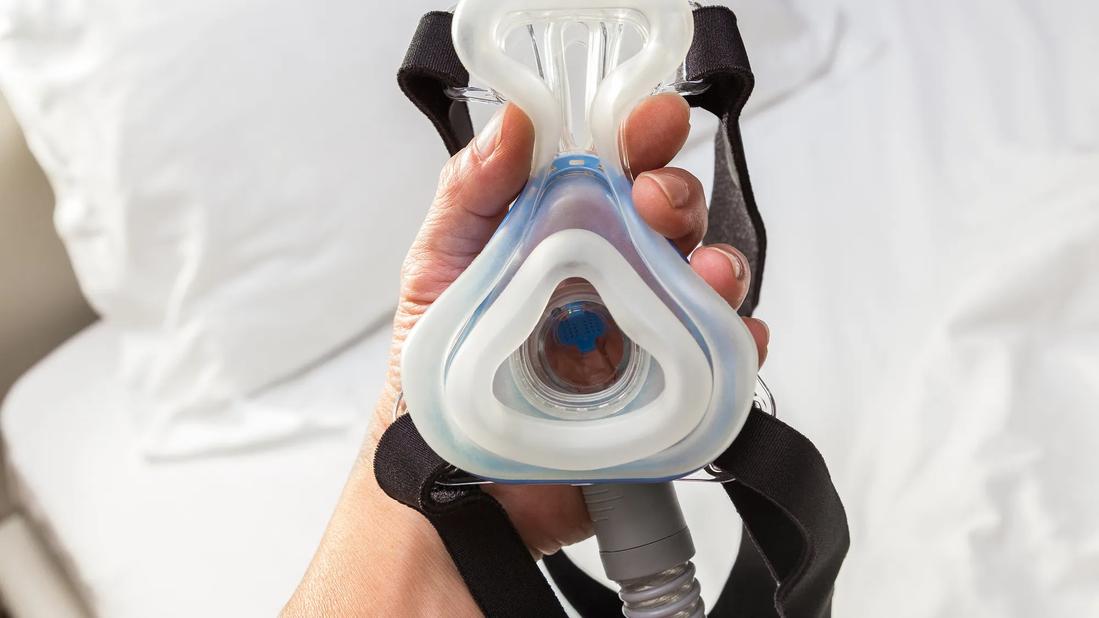
Image content: This image is available to view online.
View image online (https://assets.clevelandclinic.org/transform/1003694c-795e-49de-86d8-1514fc8de3f4/CPAP-machine-in-hand-816146696)
Hand holding CPAP mask and attachment
Vacations allow you to take a break from your usual routines. But if there’s one routine you shouldn’t leave behind, it’s continuous positive airway pressure (CPAP).
Advertisement
Cleveland Clinic is a non-profit academic medical center. Advertising on our site helps support our mission. We do not endorse non-Cleveland Clinic products or services. Policy
If you use a CPAP machine to treat sleep apnea, skipping it — even for just a few days — can leave you feeling fatigued, unable to sleep and out of sorts.
Sleep medicine specialist Aparna Bhat, MD, shares CPAP traveling advice and why it’s worth the extra care.
Taking your CPAP on the road may require a little extra planning, but it’s better than spending your long-awaited trip feeling exhausted and irritable.
Next time you board a flight or head out for a long weekend, keep these tips in mind.
Travel-sized CPAPs are smaller and lighter than the machine you have at home, but they have their downsides:
“Modern mini CPAPs can adjust for altitudes up to 8,500 feet above sea level, but beyond that, they may not be as effective as the standard CPAP machine,” warns Dr. Bhat.
CPAP machines are recognized as medical devices and don’t count toward your carry-on allowance. Airport security may ask you to remove the machine from its carrying case for inspection.
Advertisement
Some airline policies allow you to use CPAP machines, especially when you’re on a longer flight. You just need to make sure it has the manufacturer’s label that indicates the machine meets the U.S. Federal Aviation Administration (FAA) requirements. Find out what’s permitted and what power sources are available before boarding, too.
If your CPAP has a humidifier, distilled water is best. Avoid using tap, mineral or spring water because they can damage the water chamber by causing a buildup of minerals. If distilled water isn’t available in your location, Dr. Bhat says purified bottled water can be used as a temporary backup.
The most common mistake people make when traveling is leaving the CPAP power cord plugged into the wall. Finding a replacement at your destination may be difficult, so make sure it’s the first thing you pack when you’re going to and from your destination.
If you’re camping or traveling somewhere remote, electricity may be scarce. Ask your CPAP equipment provider about batteries and other portable power options you can use while out in the field.
Keep your machine on a clean, dry, elevated surface like a nightstand or chair. Otherwise, it might pick up dust, dirt and other grime if left on the floor. When you’re not using it, Dr. Bhat recommends putting it back in its travel case.
Just because you’re on vacation doesn’t mean you should take a break from cleaning your CPAP machine. Do the best you can to stick with your normal routine:
If you have obstructive sleep apnea, a CPAP machine keeps your airways open while you sleep. But it only works if you use it on a regular basis. It doesn’t “build up” enough lasting benefits to let you take a vacation from treatment.
“Ideally, I’d recommend taking your machine with you even if you’re only going to be gone for two or three days,” says Dr. Bhat. “It’s important for both your nighttime sleep quality and your daytime quality of life.”
The effects of stopping CPAP can begin the first night you go without it.
“On night one, you may start to have sleep apnea episodes again,” says Dr. Bhat. “These episodes interrupt your sleep and lead to low oxygen levels and high carbon dioxide levels.”
When these episodes happen repeatedly throughout the night, you can have:
Advertisement
“The longer you’re off CPAP, the more these symptoms add up and get worse,” she adds. “Within a few days to a week, you can start to have heart health effects where you might notice an increase in blood pressure.”
You can also become more irritable and may experience an increase in anxiety and depression. What’s more, those symptoms don’t immediately go away when you start using your machine again.
“It’s like jet lag,” illustrates Dr. Bhat. “Some might feel better right away as their oxygen levels return to normal. But it may take others a few days to feel normal again as they continue to deal with daytime sleepiness, insomnia and other symptoms.”
Traveling with a CPAP machine may feel like a hassle. It’s another bag to pack, another cord to remember and another piece of equipment that takes up space on your hotel nightstand.
But leaving your CPAP behind can leave you feeling drained, irritable and anxious. Bringing it with you is the key to enjoying your time away and returning home relaxed and restored.
“If you’re going on vacation, you want to have a good time,” notes Dr. Bhat. “If you’re not using a CPAP, you’re going to be sleepy, and that’s going to impact your ability to do the activities you set out to do.”
Advertisement

Sign up for our Health Essentials emails for expert guidance on nutrition, fitness, sleep, skin care and more.
Learn more about our editorial process.
Advertisement
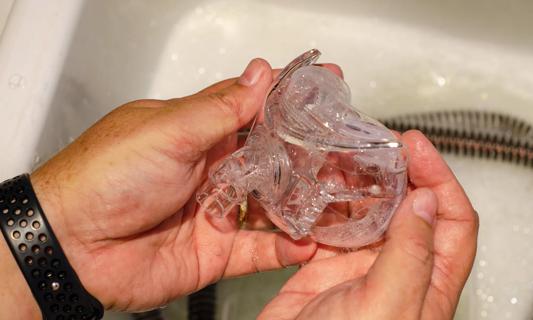
A clean CPAP machine can help you sleep and breathe better
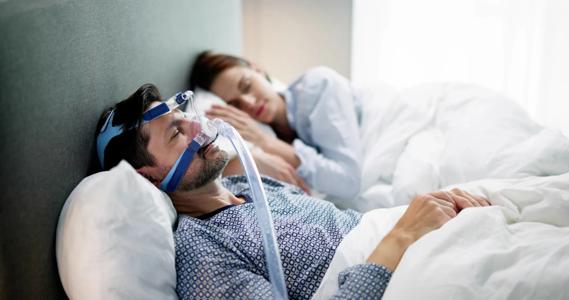
It’s OK if congestion forces you to take a break from using this breathing device
The right time to switch depends on car seat limits and your child’s ability to sit properly — not just their age
Using the right car seat for your child’s size — and using it correctly every time — can keep them safe on the road
Careful planning, pacing and listening to your body can help make travel with Lambert-Eaton myasthenic syndrome more manageable
Making a health plan with your doctor before you leave will make it easier to sit back and enjoy your flight
Pack extra medication and supplies, bring healthy snacks and set reminders

Among other benefits, a little time away can help make you more creative, decisive and focused

Hormonal changes, a slower metabolism and muscle loss can make weight gain more common around menopause — healthy habits can help you manage it
Life-threatening complications include sepsis, stroke, pneumonia and more

Fruity-smelling breath can happen when your body burns fat for energy, and in some cases, can signal a medical emergency
 Search










