Locations:





Obstructive sleep apnea can lead to high blood pressure — and vice versa

Image content: This image is available to view online.
View image online (https://assets.clevelandclinic.org/transform/5b7388c4-e204-435e-95f4-8941a366ea87/blood-pressure-2149848110)
Person checking their blood pressure with a digital cuff and smartphone app at home
If you have both sleep apnea and high blood pressure (hypertension), you might chalk it up to coincidence. But there may be more to it because each can affect the other.
Advertisement
Cleveland Clinic is a non-profit academic medical center. Advertising on our site helps support our mission. We do not endorse non-Cleveland Clinic products or services. Policy
“The relationship between OSA and hypertension is a two-way street,” says sleep medicine specialist Aparna Bhat, MD.
Obstructive sleep apnea (OSA) can raise your risk of high blood pressure (BP). And the opposite is true, too: Hypertension can make sleep apnea worse.
Of course, they don't always come as a package deal. You can have one without the other. Of the two types of sleep apnea (obstructive and central), obstructive sleep apnea is more commonly associated with unmanaged high blood pressure. It’s also the most common kind.
Dr. Bhat explains why obstructive sleep apnea and high blood pressure can be connected.
When you have obstructive sleep apnea, the muscles in your mouth and throat relax too much while you sleep. That causes your airways to collapse and your breathing to pause as you snooze. OSA can affect the quality of your sleep (and that of anyone sharing a room with you, if you snore).
Normally, your body uses sleep as a time to recover. Your heart rate slows, your stress hormone levels fall and your blood pressure dips. That gives your heart and blood vessels a chance to rest.
But when sleep apnea repeatedly interrupts your sleep, you don’t reap those benefits.
“When our sleep is restful, our blood pressure is supposed to decrease,” Dr. Bhat says. “OSA has the opposite effect.”
Advertisement
If you have OSA, your body stays on high alert throughout the night.
“When you have sleep apnea, your oxygen levels drop and activate your body’s fight-or-flight response,” she continues. “That causes a surge of stress hormones (cortisol) that signal your blood vessels to tighten and raise blood pressure.”
Over time, those repeated stress responses can strain your heart and blood vessels.
Now, for the other side: If you have high blood pressure, you can be at higher risk for developing obstructive sleep apnea. That’s especially true if your blood pressure isn’t well managed with medication or other treatments.
“Unmanaged blood pressure can result in fluid buildup or swelling in the body,” Dr. Bhat explains. “When you lie down at night, that fluid can move to your neck, leading to throat swelling.” That swelling narrows your airway and contributes to OSA.
What’s more, if you have blood pressure that doesn’t respond well to medication (resistant hypertension), it can cause even more fluid to build up. That’s because resistant hypertension can contribute to abnormally high levels of a hormone called aldosterone. A buildup of aldosterone can cause you to absorb more sodium, retain more fluid and swell more.
Because obstructive sleep apnea and high blood pressure are so closely connected, treating both is important.
CPAP (continuous positive airway pressure) is considered the gold standard treatment for OSA. A CPAP machine isn’t an oxygen machine. Instead, it delivers pressurized air through a mask to help keep your airway open while you sleep.
“When consistently worn through the night, CPAP can reduce systolic blood pressure,” Dr. Bhat reports. (That’s the top number on your BP reading.)
How? A CPAP machine helps keep your airways open throughout the night. That can mean more restful sleep that allows your blood pressure to dip as it should.
CPAP is often the first treatment that providers recommend. But depending on your needs, other therapies may also help improve sleep apnea and support healthier blood pressure levels. Your provider may also recommend:
Advertisement
Over time, untreated sleep apnea and high blood pressure can have serious effects.
“OSA and hypertension are both risk factors for heart health, stroke, disability and worse,” Dr. Bhat states. “Managing OSA has an impact on your heart health, mental health and, ultimately, your quality of life.”
Talk with a healthcare provider about how high blood pressure and sleep apnea are affecting your life. They can help you find the right treatments to protect your heart, your sleep and your overall well-being.
Advertisement

Sign up for our Health Essentials emails for expert guidance on nutrition, fitness, sleep, skin care and more.
Learn more about our editorial process.
Advertisement
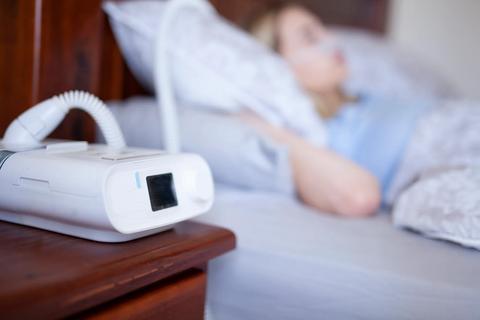
The right mask fit, pressure settings and machine adjustments can help make this treatment more comfortable
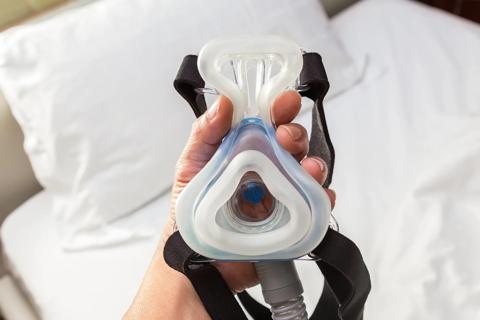
CPAPs aren’t counted as carry-ons and they’re easy to pack and transport

Silent sleep apnea can still disrupt your sleep and affect your long-term health

Sleep apnea is associated with sudden cardiac death and other complications that increase your risk of mortality
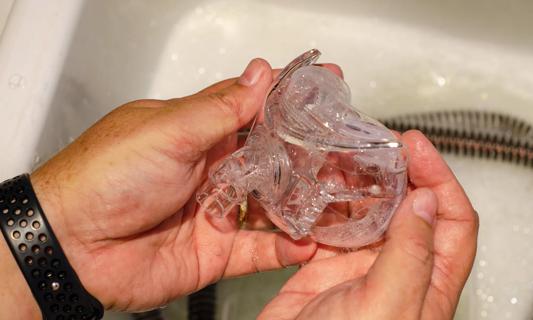
A clean CPAP machine can help you sleep and breathe better

It’s OK if congestion forces you to take a break from using this breathing device
Here’s what to know from a sleep medicine specialist

This connection is yet another reason to seek help for OSA

Managing your weight through physical activity may lower your chances of getting this common cancer

It typically starts in October and winds down in early spring, with cases at their highest in the middle of winter

Anxiety disorders, health conditions and past trauma can make driving nerve-wracking — help is available
 Search










