Locations:





Silent sleep apnea can still disrupt your sleep and affect your long-term health

Image content: This image is available to view online.
View image online (https://assets.clevelandclinic.org/transform/e83b5ab6-6df3-458f-919e-e342fda6c8ea/sleep-apnea-1859217190)
Person sitting on edge of bed at night, with bedside light on
Loud snoring is one of the best-known signs of obstructive sleep apnea (OSA). But don’t assume you can rule out this condition just because you’re a quiet sleeper.
Advertisement
Cleveland Clinic is a non-profit academic medical center. Advertising on our site helps support our mission. We do not endorse non-Cleveland Clinic products or services. Policy
Did you know that you can have obstructive sleep apnea without snoring? It’s not just possible, but it’s also relatively common, says sleep medicine specialist Sunjeet Kaur, MD.
Dr. Kaur explains how “silent sleep apnea” can happen and what symptoms to watch for.
Sleep apnea can happen even if you don’t snore loudly … or at all.
“Less than 50% of cases of obstructive sleep apnea present without audible snoring,” Dr. Kaur reports. “But it absolutely happens. You may have no snoring or just very light, intermittent snoring.”
OSA happens when the muscles and tissues in your throat relax too much during sleep, which partially or fully blocks your airway. Snoring is a common symptom — the sound of air that can’t move easily through a narrowed airway.
But not everyone with obstructive sleep apnea snores (or snores loudly enough for it to be noticed). And if you sleep alone, you may not realize you snore at all.
So, how can you tell? Let’s take a look.
Even without snoring, obstructive sleep apnea can still cause symptoms that affect your sleep, energy levels and overall health.
Dr. Kaur says common signs of silent sleep apnea may include:
Advertisement
If you share a bedroom with someone, they may tell you they’ve noticed pauses in your breathing while you sleep, even without obvious snoring.
And Dr. Kaur points out that women, in particular, are especially likely to experience OSA differently from the stereotype of a loud, rattling snorer.
“In women, obstructive sleep apnea commonly presents with multiple nighttime awakenings, with no history of loud snoring,” she explains.
Silent sleep apnea has the same underlying causes as other forms of obstructive sleep apnea — a blocked airway while you sleep. The only difference is that in some people, OSA doesn’t cause snoring (or as much snoring).
But on the whole, there are many factors that raise your risk of OSA, including:
Central sleep apnea (CSA) happens when your brain doesn’t properly signal your body to breathe while you’re asleep.
“Central sleep apnea presents without snoring,” Dr. Kaur says.
Central sleep apnea is much less common than obstructive sleep apnea. It’s more common in people who have certain health conditions, like congestive heart failure, chronic opioid use or stroke.
If you regularly wake up exhausted, struggle with daytime sleepiness or frequently awaken at night, it’s worth talking to a healthcare provider, even if you don’t snore.
Dr. Kaur reiterates that many people associate sleep apnea with loud nighttime breathing noises. So, a lack of snoring can sometimes delay diagnosis.
“People who don’t snore — or who don’t realize they snore — often assume they can’t have sleep apnea,” she emphasizes. “It’s common for individuals in these situations to postpone seeking evaluation by a healthcare provider.”
But without treatment, sleep apnea can increase your risk of:
Daytime sleepiness is also a major risk factor for motor vehicle injury.
“Given both the short- and long-term consequences of untreated sleep apnea, it’s important to seek evaluation by a healthcare provider in a timely manner,” Dr. Kaur stresses.
The good news is that sleep apnea is treatable. Lifestyle changes, CPAP therapy and other treatments can help improve your sleep quality and protect your long-term health.
Advertisement

Sign up for our Health Essentials emails for expert guidance on nutrition, fitness, sleep, skin care and more.
Learn more about our editorial process.
Advertisement

Obstructive sleep apnea can lead to high blood pressure — and vice versa
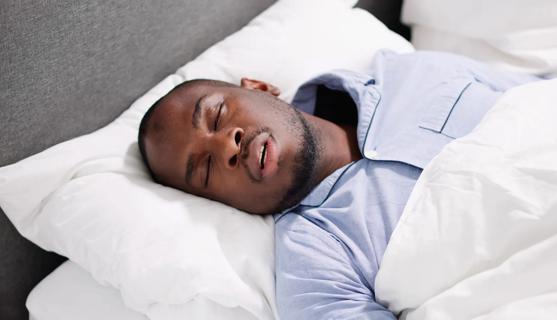
Sleep apnea is associated with sudden cardiac death and other complications that increase your risk of mortality
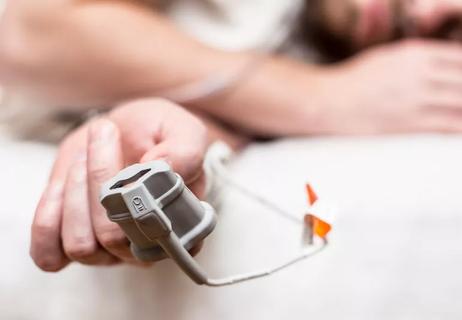
Here’s what to know from a sleep medicine specialist

This connection is yet another reason to seek help for OSA
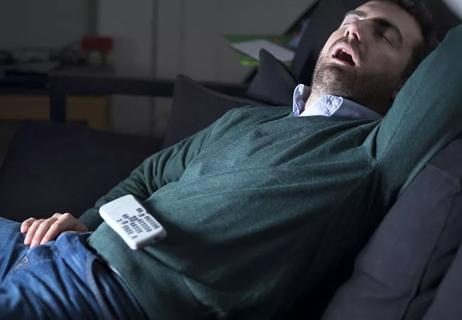
Manage your sleep apnea and keep your diabetes in check
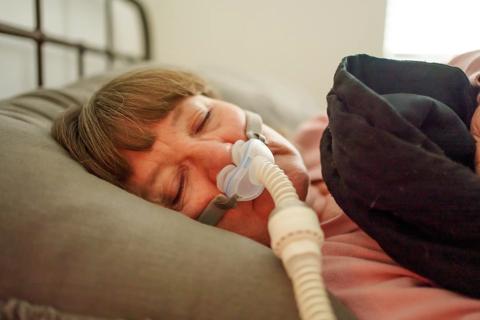
Genes, family history and anatomy can all influence obstructive sleep apnea — but lifestyle factors can, too
Sleep disorders, mental health conditions and other health concerns can all affect the quality of your sleep
A clean CPAP machine can help you sleep and breathe better

Managing your weight through physical activity may lower your chances of getting this common cancer
It typically starts in October and winds down in early spring, with cases at their highest in the middle of winter

Anxiety disorders, health conditions and past trauma can make driving nerve-wracking — help is available
 Search










