Locations:





 Search
The short answer from a plastic surgeon
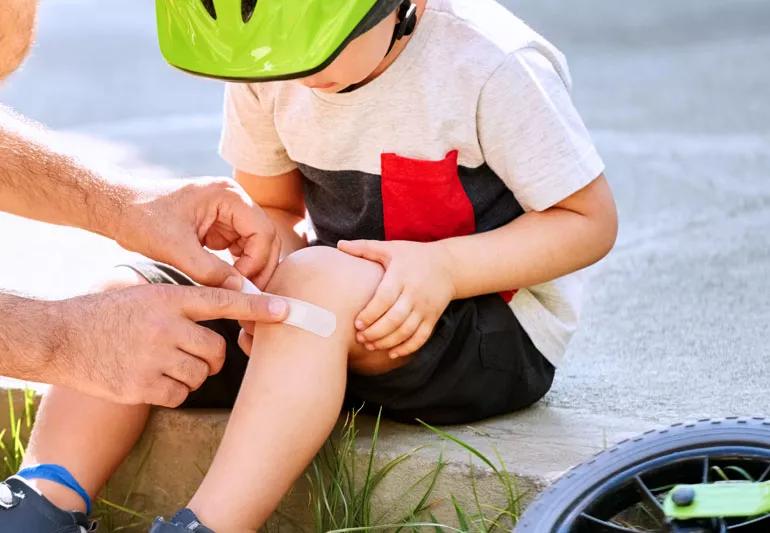
A: Airing out most wounds isn’t beneficial because wounds need moisture to heal. Leaving a wound uncovered may dry out new surface cells, which can increase pain or slow the healing process.
Advertisement
Cleveland Clinic is a non-profit academic medical center. Advertising on our site helps support our mission. We do not endorse non-Cleveland Clinic products or services. Policy
Most wound treatments or coverings promote a moist — but not overly wet — wound surface. For example, healthcare professionals usually apply a topical antibiotic ointment to a scrape or small cut, and then cover it with gauze or a bandage.
This keeps new skin and other cells alive. It also helps protect the area from dirt, germs and further injury and may feel more comfortable than leaving a wound open.
But as is true for most of medicine, there are exceptions. Small dry, scabs from minor cuts and scrapes can be left uncovered. Also, pressure ulcers on the heels can often be left open to dry.
However, if you’re concerned that a wound looks deep, is not healing or might be infected, a healthcare professional should examine it.
— Plastic surgeon Christi Cavaliere, MD
Advertisement
Sign up for our Health Essentials emails for expert guidance on nutrition, fitness, sleep, skin care and more.
Learn more about our editorial process.
Advertisement
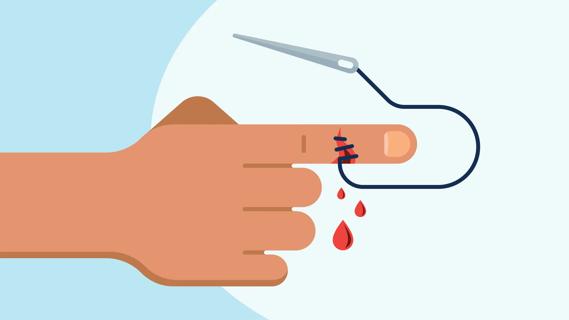
If the area is bleeding a lot or the wound is near your face or genitals, you likely need a specialist’s care
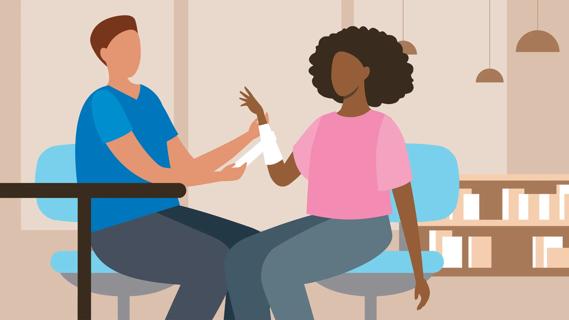
First, assess the seriousness of the wound, and then apply light pressure to stop any bleeding
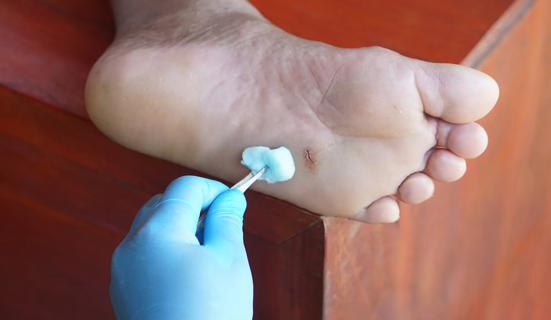
Clean hands, sanitized tweezers and a soaking tub are key to removing some shards of glass
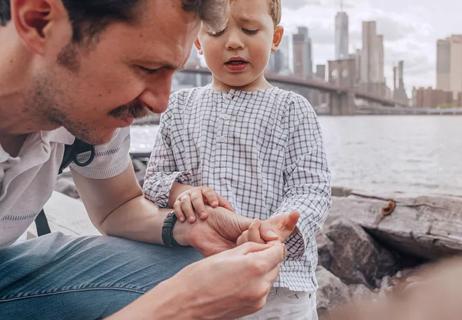
The best tools and practices from a pediatrician
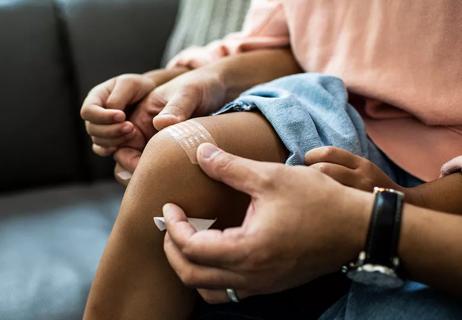
Quick action and proper care can make a big difference
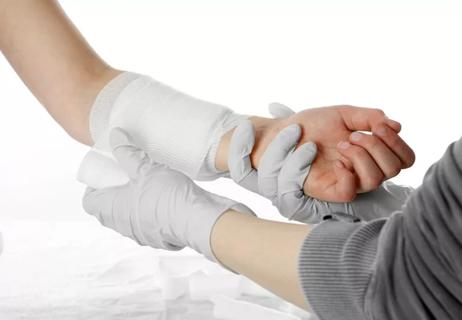
Three common causes of chronic wounds
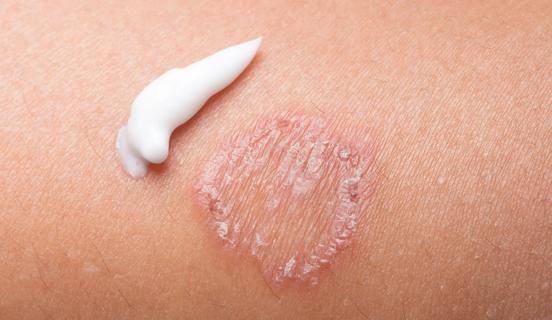
Over-the-counter antifungal creams usually get the job done, but it’s important to keep it from spreading in the meantime
Although it could be used as a moisturizer, this new trend is not recommended
Even small moments of time outdoors can help reduce stress, boost mood and restore a sense of calm

A correct prescription helps your eyes see clearly — but as natural changes occur, you may need stronger or different eyeglasses
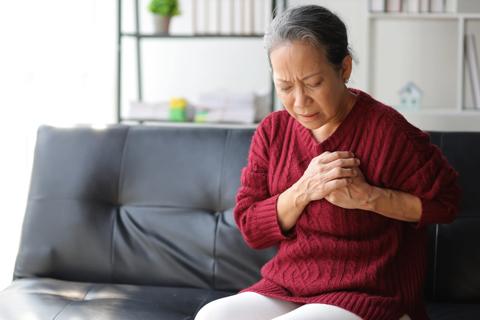
Both are medical emergencies, but they are very distinct events with different causes











