Locations:





A correct prescription helps your eyes see clearly — but as natural changes occur, you may need stronger or different eyeglasses

Image content: This image is available to view online.
View image online (https://assets.clevelandclinic.org/transform/c43af926-2c41-4126-95e5-53637ab97057/adult-wearing-glasses-1799091032)
Person wearing glasses outdoors, looking around
There’s long been a rumor that wearing glasses forces your eyes to become dependent on them. Over time, as your vision changes, your eyes seem to get worse and worse whenever you’re not wearing glasses.
Advertisement
Cleveland Clinic is a non-profit academic medical center. Advertising on our site helps support our mission. We do not endorse non-Cleveland Clinic products or services. Policy
But is it the glasses themselves that are worsening your vision? Or are your vision changes happening because of other factors?
Optometrist Heather Cimino, OD, explains what’s really going on behind the lens, including why it’s normal to expect changes to your eyeglass prescription over time.
Glasses don’t make your eyes worse. Instead, they improve your vision by changing the way light hits your eyes. As a result, wearing glasses can help correct issues related to:
Your eyeglass prescription may change because your eyes and your vision naturally change as you age.
“Our ability to focus peaks in early adulthood, and it gets a little bit worse each year until your late 30s or early-to-mid 40s. That’s when many people need help reading,” explains Dr. Cimino.
Most of your eye growth happens in childhood and adolescence, which is why eye doctors recommend frequent eye exams for kids.
But as you get older, your vision continues to change, even as the shape of your eye remains the same. The lens of your eye becomes less flexible, you produce fewer tears and your perception of the world around you evolves. This can eventually cause other changes to your eyesight, like:
Advertisement
“There may not be a change in the size or shape of your eye, but there could be internal factors that are changing your vision,” says Dr. Cimino.
Whether you’ve worn glasses for a long time or you don’t wear glasses at all, your vision will continue to change as you age. And as those natural changes occur, you may need stronger or different eyeglass prescriptions to see clearly.
Wearing the wrong glasses may temporarily impair your vision and cause other symptoms, like:
If you’ve ever experienced these issues with an updated prescription, that’s normal, too. You can expect a short adjustment period where your vision might feel “off.” But in most cases, you’ll get used to your new glasses within a week or two.
If your symptoms worsen or persist, or if your vision doesn’t improve, circle back with your eye doctor. They can check whether your prescription is right and if your glasses were made correctly.
“We want you to be able to read things up close, to not mix up your numbers and, of course, to be safe to drive,” relates Dr. Cimino. “So, don’t force yourself to wear glasses if they’re causing you problems. Let’s make sure we know what’s going on so we can correct it.”
When you take off your glasses, your vision may seem worse than ever. But it’s not. It’s just that your brain has learned to see things clearly through corrective glasses. Without them, you’re left to deal with uncorrected errors that get in the way of your vision.
In other words, wearing glasses won’t make your eyesight worse. But it can definitely seem that way — and that’s because you’re so used to seeing well with glasses on!
“You really don’t become dependent on glasses. But when you start wearing them, your brain realizes how you’re supposed to see and how things are supposed to look,” explains Dr. Cimino. “As you go through life and you take your glasses off and try to go back to where you were before that, the brain goes, ‘No, I don’t like that as much. It’s not great.’”
If you’re concerned about eye health and vision loss, make an appointment with an eye specialist. They’ll help determine if eyeglasses or contacts are right for you.
There are other things you can do to support your eye health, too:
Advertisement
“Wearing glasses doesn’t make your eyes weaker,” reiterates Dr. Cimino. “Your eyes are already headed in that direction anyway, thanks to age. Glasses are one of our best tools to help you see more clearly.”
Advertisement

Sign up for our Health Essentials emails for expert guidance on nutrition, fitness, sleep, skin care and more.
Learn more about our editorial process.
Advertisement
Over-the-counter reading glasses can work well for many people, but they’re not the best choice for everyone
Blue light-filtering glasses may help some people sleep better, but they don’t prevent eye strain and aren’t needed for eye health

UV protection blocks harmful rays to protect your eyes and the skin around them
It usually takes anywhere from a couple of days to a few weeks to get fully adjusted
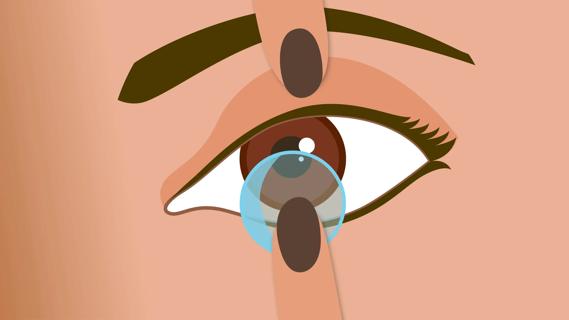
The lifespan of contact lenses depends on whether you have reusable or disposable lenses
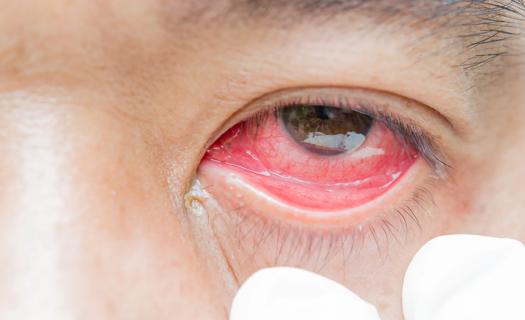
While rare, it is possible to have an allergic reaction to materials used in contact lenses or ingredients found in contact solution
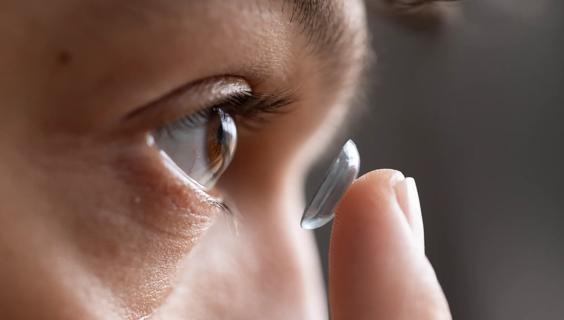
Keep your eyes healthy by not sleeping in your contacts, properly caring for your lenses and wearing eye protection when necessary
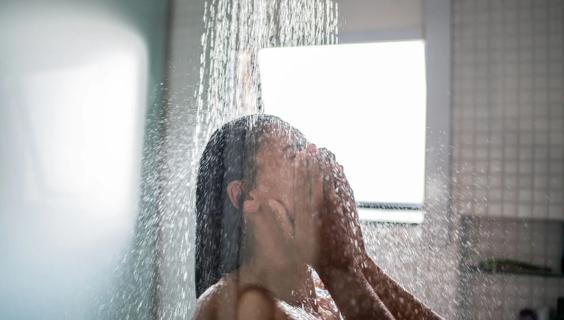
While it may seem harmless, showering — or even swimming or washing your face — with contacts in can cause sensitivity to light, irritation and even an infection
Hormonal changes, a slower metabolism and muscle loss can make weight gain more common around menopause — healthy habits can help you manage it
Life-threatening complications include sepsis, stroke, pneumonia and more
Fruity-smelling breath can happen when your body burns fat for energy, and in some cases, can signal a medical emergency
 Search










