Locations:





 Search
UV protection blocks harmful rays to protect your eyes and the skin around them

Image content: This image is available to view online.
View image online (https://assets.clevelandclinic.org/transform/0f2bd615-d3b3-45c8-8f71-95035c69bbdb/people-wearing-sunglasses-2160926947)
Two people wearing sunglasses, laughing and bubble gum blowing
Sunglasses can add an effortlessly cool vibe to any outfit. But they also have a big job to do.
Advertisement
Cleveland Clinic is a non-profit academic medical center. Advertising on our site helps support our mission. We do not endorse non-Cleveland Clinic products or services. Policy
The right sunglasses will shield your eyes from harmful ultraviolet (UV) rays, reduce glare and protect the delicate skin around your eyes. That matters because long-term exposure to sunlight can increase your risk of eye problems later in life.
But not all sunglasses offer the same level of protection. Knowing what to look for can help you choose a pair that protects your eyes — without compromising on fashion.
Sunlight contains ultraviolet radiation, including UVA and UVB rays. Beyond making you squint, that assault on your eyes can cause real damage.
“Ultraviolet light from the sun can harm the structures in the back of your eye over time,” warns optometrist Chris Erwin, OD. “Good sunglasses act like sunscreen for your eyes by blocking harmful rays.”
UV protection sunglasses block or reflect those rays before they reach those sensitive parts of your peepers. Without proper UVB and UVA protection, you risk long-term sun exposure that can raise your risk for eye conditions like:
Advertisement
UV exposure can also affect the delicate skin around your eyes, increasing the risk of wrinkles and skin damage. And, of course, those powerful rays are a leading cause of skin cancer.
“You should really think of sunglasses as everyday protective gear,” Dr. Erwin encourages. “Like your skin, your eyes are exposed to UV light whenever you’re outdoors, even on cloudy days.”
When you’re shopping for new shades, UV protection comes first. Check for labels that say “UV400” or “100% UV protection.”
“The most important feature in sunglasses is full UV protection,” Dr. Erwin emphasizes. “You don’t need the most expensive pair, but you do want to make sure they truly block ultraviolet light.”
Beyond that, other key features to look for include:
And just like you teach your kids other habits for healthy fun in the sun — like wearing sunscreen and practicing water safety — wearing sunglasses should start young.
“Children as young as 6 months old should wear sunglasses,” Dr. Erwin advises. “Damage from UVA and UVB radiation is cumulative over a person’s lifetime, so it’s a good idea to teach your children how important it is to wear sunglasses.”
If you’re having trouble choosing the right sunglasses for you, or you’re in the market for prescription sunglasses, talk with an eye care specialist, like an optometrist.
Ultimately, the best sunglasses are the ones you’ll actually wear. Choose UV protection above all else. And don’t worry, there are plenty of styles that will keep you looking — and seeing — your best.
Advertisement

Sign up for our Health Essentials emails for expert guidance on nutrition, fitness, sleep, skin care and more.
Learn more about our editorial process.
Advertisement
Blue light-filtering glasses may help some people sleep better, but they don’t prevent eye strain and aren’t needed for eye health

A correct prescription helps your eyes see clearly — but as natural changes occur, you may need stronger or different eyeglasses
It usually takes anywhere from a couple of days to a few weeks to get fully adjusted
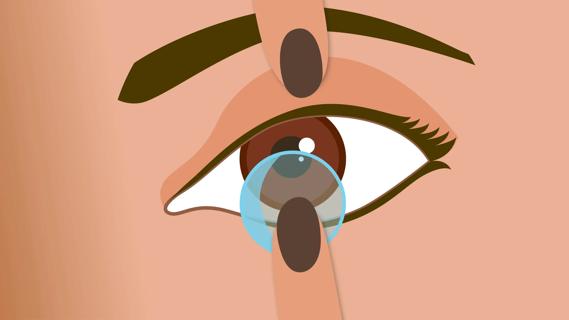
The lifespan of contact lenses depends on whether you have reusable or disposable lenses
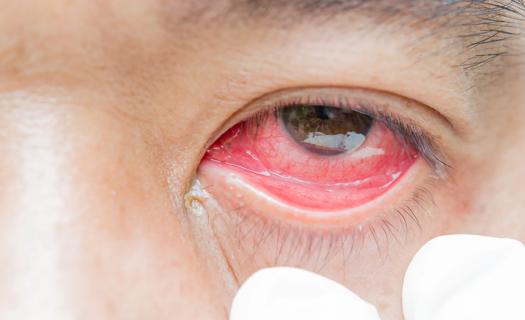
While rare, it is possible to have an allergic reaction to materials used in contact lenses or ingredients found in contact solution
Keep your eyes healthy by not sleeping in your contacts, properly caring for your lenses and wearing eye protection when necessary
While it may seem harmless, showering — or even swimming or washing your face — with contacts in can cause sensitivity to light, irritation and even an infection
Even napping with contacts in can lead to eye infections, lens displacement and dry eyes
The virus that causes the so-called ‘stomach flu’ can cling to surfaces for days or even weeks
There isn’t clear evidence that melatonin harms your heart — but finding the cause of sleep issues is key to long-term heart health

Your dollar bills, coins and cards are covered in germs — but they’re very unlikely to make you sick











