Locations:





There isn’t clear evidence that melatonin harms your heart — but finding the cause of sleep issues is key to long-term heart health
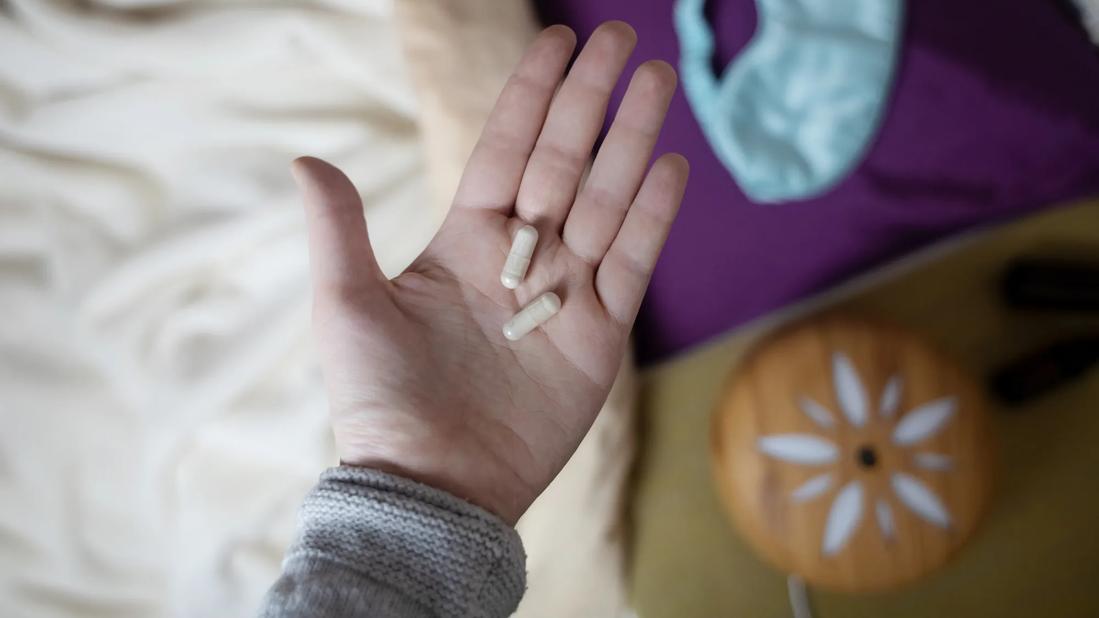
Image content: This image is available to view online.
View image online (https://assets.clevelandclinic.org/transform/71c6f5bc-40a2-440e-9055-1545eae53808/melatonin-2176694300)
Palm with two capsules on it
If you’re dealing with insomnia and you’ve taken melatonin as a sleep aid, you’re not alone. It’s a popular over-the-counter supplement that many people swear by. But recent rumblings about its safety for your health might be making you toss and turn.
Advertisement
Cleveland Clinic is a non-profit academic medical center. Advertising on our site helps support our mission. We do not endorse non-Cleveland Clinic products or services. Policy
It’s important to clear up one thing right off the bat: There are currently no proven links between melatonin supplements and heart disease or problems. So, you can rest a little easier if you’ve been worried.
But that doesn’t mean melatonin is risk-free — or even the right solution for your needs.
Cardiologist Michael Hill, MD, walks us through the research.
There’s no clear evidence that melatonin causes heart failure.
So, why the chatter? It’s because researchers found possible links between melatonin and heart failure. They used a health records database to compare two groups of adults with insomnia — those who took melatonin for at least one year, and those who didn’t.
They found that within a five-year period, the melatonin group had higher rates of:
“These are striking findings, and that’s why they made headlines,” Dr. Hill acknowledges. “But there are some important caveats.”
Dr. Hill explains:
Advertisement
“Based on the information available so far, we can’t say that melatonin causes heart failure,” Dr. Hill clarifies. “But the topic is on our radar, and we’ll continue learning.”
There’s not enough evidence to say that melatonin causes other problems, like heart palpitations or an increased heart rate.
One study from 2017 found possible associations between melatonin use and premature ventricular contractions (a common and typically harmless arrhythmia). But that study only looked at two adults. We’d need much more evidence to prove any links.
So, if you’re taking melatonin and notice your heart racing, skipping a beat or flip-flopping, what’s up? Dr. Hill offers insight.
“Palpitations or an increased heart rate may be due not to the melatonin, but rather to sleep apnea,” he says. “This common disorder is associated with both slow or fast abnormal heart rhythms and irregular beats, which can cause those unusual sensations.”
Many people don’t even realize they have sleep apnea. But red flags include waking up tired every morning and needing naps to get through the day. If this sounds familiar, talk to a healthcare provider — especially if you’re noticing palpitations.
Now that we know there aren’t proven risks, you may be wondering: Can melatonin do your heart any good? Maybe, according to some evidence.
“Some randomized clinical trials have shown possible benefits of melatonin,” Dr. Hill shares. He notes that in a randomized trial of people with heart failure, those taking melatonin for six months saw improvements in:
“While this is a small study, it offers high-quality evidence that warrants further research,” he adds.
That’s right — some findings seem to contradict the research abstract! This might feel confusing. But that can be the nature of medical research. There’s not a single path going in one direction. Researchers explore all avenues to learn as much as they can, even if that means grappling with conflicting data.
“Another study has found possible links between melatonin and reduced blood pressure and cholesterol levels,” Dr. Hill says. “Melatonin likely isn’t the direct cause. But it could be helping you sleep better. And that, in turn, helps manage your blood pressure, cholesterol and other heart disease risk factors.”
It’s a well-established fact that better sleep translates to a lower risk of heart and blood vessel problems. The opposite is also true — poor sleep raises your risk of cardiovascular disease.
Advertisement
Sleep is so important that the American Heart Association lists “get healthy sleep” as one of “Life’s Essential 8” measures for improving cardiovascular health. These are eight steps we all should try to take to protect our hearts.
But good sleep can be hard to come by. Enter melatonin. It may help shift your body’s circadian clock so you sleep soundly and wake up feeling rested.
If melatonin helps you sleep better, that’s great. But Dr. Hill cautions that it’s not meant for long-term use.
“Melatonin is best used on a temporary basis,” Dr. Hill emphasizes. “If you’ve needed it for months or years to achieve good quality sleep, talk to your primary care provider or even a sleep specialist.”
Dr. Hill describes why limited use is best:
Advertisement
If you decide to use melatonin, talk with a healthcare provider first. They’ll make sure:
“Some research shows that melatonin may adversely affect blood sugar variations in people with diabetes,” Dr. Hill warns. “That’s just one example of a scenario where we’d want to be extra careful in using melatonin, even just for a few days.”
Whether or not you’re taking melatonin, one thing’s for sure: Sleep is vital for your heart.
If a good night’s sleep feels like an impossible dream, it’s time to talk to a healthcare provider about treatment options. They’ll go over the possible causes, from excess stress, circadian disruptions and poor sleep hygiene to diagnosable conditions like sleep apnea or insomnia.
“There’s no need to toss out your melatonin based on any of this latest research,” he says. “But ideally, it’ll mostly stay in your cabinet. Work with your provider to find sustainable, long-term solutions to the sleep issues you’re facing.”
Advertisement

Sign up for our Health Essentials emails for expert guidance on nutrition, fitness, sleep, skin care and more.
Learn more about our editorial process.
Advertisement

Melatonin won’t stop birth control from doing its job, but the combo could cause unwanted side effects
This sleep supplement may have side effects, but dependency isn’t one

Too much of the supplement can lead to an upset stomach, vomiting and diarrhea
An expert explores the potential connections
This hormone helps your body prepare for sleep
Does this supplement help you get more ZZZs?
What to expect after taking this increasingly popular sleep aid
Alcohol raises your risk of AFib, worsens existing disease and makes treatments less effective

Managing your weight through physical activity may lower your chances of getting this common cancer

It typically starts in October and winds down in early spring, with cases at their highest in the middle of winter

Anxiety disorders, health conditions and past trauma can make driving nerve-wracking — help is available
 Search










