Locations:





What you do in the hours and days after exercise can determine how your body bounces back
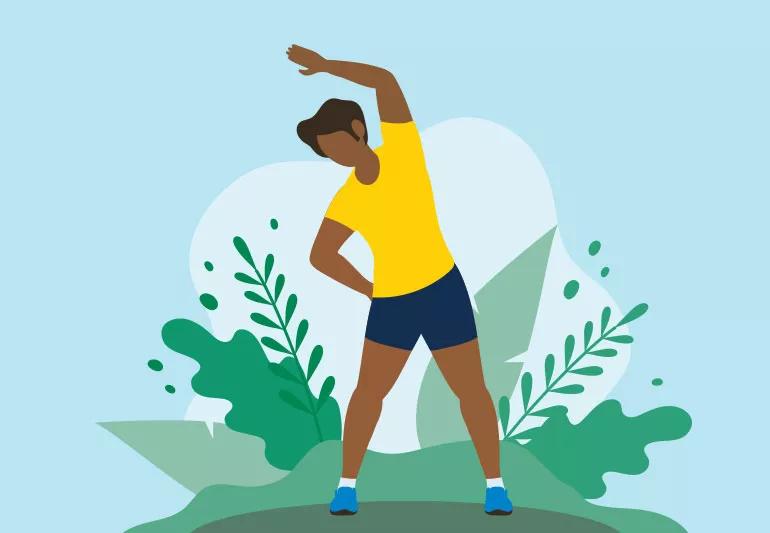
Image content: This image is available to view online.
View image online (https://assets.clevelandclinic.org/transform/97c96e45-79c4-4243-805e-351990c08ef2/postWorkoutRecovery-1146620841-770x553-1_jpg)
Stretching after running
After a strenuous workout, your body needs some recovery time. But giving muscles a well-deserved break can often feel tougher than maxing out on a lift or adding a mile to a training run.
Advertisement
Cleveland Clinic is a non-profit academic medical center. Advertising on our site helps support our mission. We do not endorse non-Cleveland Clinic products or services. Policy
The goal is progress, right? And who gets better by taking it easy? Here’s the reality, though: Building recovery into your workout strategy can help you avoid injuries and any forced downtime.
An ideal recovery routine should start right after your activity and continue in the days after. Let’s get a plan in place with the help of certified athletic trainer Amanda McMahan, ATC.
Just because you’re done building a sweat doesn’t mean that your workout is finished. What you do in the hour after you end the activity can be as important as what you do during it, notes McMahan.
Here’s how to help your body begin the recovery process.
Incorporate stretching into your cool-down period to decrease built-up muscle tension. Take between five and 10 minutes to help your body gradually transition to a resting or near-resting state.
“People who stretch during cool-down tend to have fewer complaints of muscle soreness and fewer injuries,” says McMahan.
Hydration after a workout is important — and drinking water is often the best place to start.
As you sweat, your body drains its water reserves. Dehydration can lead to muscle cramping, fatigue, headaches and poor physical performance. That’s why keeping yourself hydrated is one of the keys to a strong recovery.
Advertisement
“Water is the most essential of all our nutrients,” notes McMahan. “And replacing water after exercise aids in the recovery process.”
Sweating also depletes your body’s supply of electrolytes such as sodium chloride, potassium, magnesium and calcium. You need a well-stocked supply of these minerals to keep your body humming along.
“Electrolyte loss can cause muscle cramping,” says McMahan. “So you want to replace those after activity.”
Sports drinks can help replenish your electrolyte reserves. You can get a boost through a nutritious after-workout snack, too. Bananas and oranges are ideal. Ditto for raisins, peanuts and walnuts.
Protein is critical after physical activity because it helps you rebuild your muscles.
McMahan recommends eating at least 20 grams of protein right after a tough workout. Good sources include eggs, fish, chicken, a protein bar or protein shake, she says. Chocolate milk is a great add-in, too.
Most people need between seven and nine hours of sleep each night to be at their best. After a workout, it’s even more important to achieve this recommended amount of sleep to help your body recharge.
“If you’re not resting enough, you will not feel the full benefits of your workout and you won’t effectively rebuild those muscles,” warns McMahan.
Active rest after intense exercise is critical. “This doesn’t mean you sit on the couch,” says McMahan. “Instead, perform light exercise to stimulate the recovery process without imposing undue stress.”
Make it an activity you enjoy. Maybe that means going for a stroll on a park trail, taking a leisurely bike ride through the neighborhood or heading out on a lake for an easy float in a kayak.
“Active rest is not as strenuous as your regular routine,” says McMahan. “The idea is to stay active without pushing yourself.”
An effective workout routine targets different muscle groups on different days with some recovery time sprinkled in. A basic weekly schedule could look like this:
“The idea is to both push your body and help it recover,” says McMahan. “When your routine is right, you’ll regularly feel refreshed and refueled and ready to crank up your next workout.”
Advertisement

Sign up for our Health Essentials emails for expert guidance on nutrition, fitness, sleep, skin care and more.
Learn more about our editorial process.
Advertisement

Sports drinks and electrolyte-infused waters aren’t the only game in town
Sports drinks are best when needed — and that’s not all the time
This treat from the trees can help replace lost electrolytes
Stay afloat with bicycle kicks, alternating punches and water jogging
Aerobic, strength training, flexibility and balance exercises are all important parts of maintaining movement
Plyometric training uses explosive movements to improve speed, power and agility
The general rule is 1.2 to 1.6 grams of protein per kilogram of body weight — but that may not be exactly right for you
Physical activity can lift your mood, increase your energy and boost your self-esteem

Most breast pain isn’t a sign of cancer, but certain symptoms deserve a closer look

It’s a myth that you should avoid sleep (or have someone wake up throughout the night) after a head injury

The color and shade of your urine offer a window to your health
 Search










