Locations:





 Search
Exerting yourself in cold temperatures increases your risk of a cardiac event
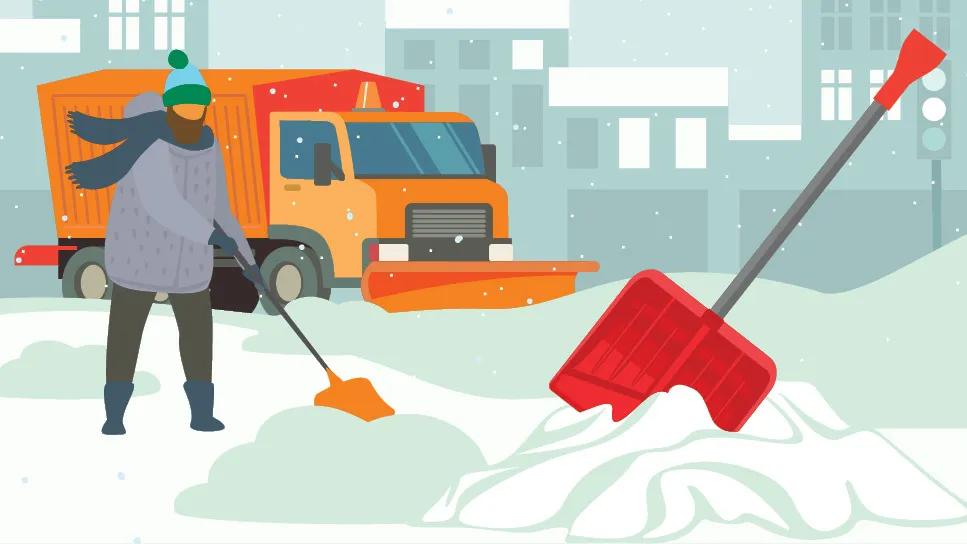
Snow removal becomes a priority after a winter storm. But before you grab a shovel and start digging into the drifts, know this: The job ahead promises to put significant strain on your heart.
Advertisement
Cleveland Clinic is a non-profit academic medical center. Advertising on our site helps support our mission. We do not endorse non-Cleveland Clinic products or services. Policy
The physical exertion of shoveling snow in the cold of winter increases your risk of a heart attack. That’s especially true if you have certain underlying health issues.
So, what exactly happens in your chest when you start shoveling? We asked cardiologist Luke Laffin, MD, to explain why clearing snow can be dangerous and how you can best protect yourself.
A pair of factors come together to create a … well, perfect storm when it comes to heart attack risk from shoveling snow.
And the more snow you’re shoveling, and the heavier it is, the greater your risk. Studies show an increase in heart attack-related hospitalizations and deaths following hefty snowfalls or consecutive days of snow.
The heart attack risk that comes with clearing a snow-covered driveway goes up with:
Advertisement
Bottom line? “If you have multiple medical conditions — like coronary artery disease, hypertension, diabetes or overweight or obesity — shoveling snow puts your heart at risk,” states Dr. Laffin. “It can predispose you to heart attacks.”
If you’re shoveling snow and experience chest pain, trouble breathing or pain radiating down your arm or into your neck, you could be having a heart attack. “Those are some of the hallmark signs of a heart attack,” says Dr. Laffin.
Pay attention, too, if you:
“Don’t ignore what your body is telling you and just try to plow through,” he urges. “Stop and get medical attention.”
If you’re heading outside to shovel a wintry deposit off your driveway, Dr. Laffin offers these tips to get the job done safely.
Advertisement
But the most important thing, emphasizes Dr. Laffin, is to pay attention to how you feel. Heart attacks ARE more common after shoveling snow. Don’t wave off chest pain or other symptoms as nothing to worry about. Get checked out.
And if you truly want to limit your heart attack risk from shoveling, Dr. Laffin offers one last suggestion: “Hiring the kid down the street to do the job is a great idea.”
Advertisement
Sign up for our Health Essentials emails for expert guidance on nutrition, fitness, sleep, skin care and more.
Learn more about our editorial process.
Advertisement
Used correctly, a humidifier can help with nose bleeds, allergies, dry skin, sleep quality and more
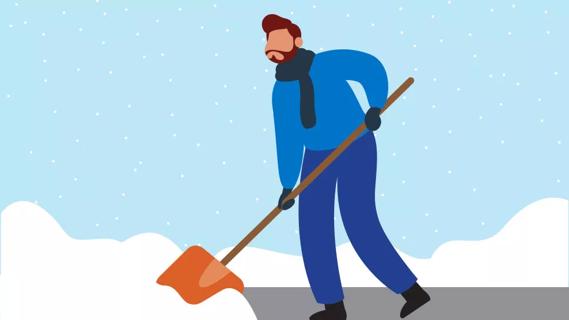
Stretch before heading outside, keep proper form and avoid jerking or twisting to throw snow
If the flakes are undisturbed, pristine white and come from the top layer, it’s typically safe to indulge in a scoop

Bottom line? Dress warm, be careful and plan ahead to get the most out of the season

Sneak in exercise when you can, pack your own lunch and make time for mental health
Taking slow, short steps and wearing proper footwear can go a long way in preventing falls
With planning and precautions, you may be able to keep winter health issues at bay
An ER doc shares tips for being careful while having fun
Even small moments of time outdoors can help reduce stress, boost mood and restore a sense of calm

A correct prescription helps your eyes see clearly — but as natural changes occur, you may need stronger or different eyeglasses

Both are medical emergencies, but they are very distinct events with different causes











