Locations:





 Search
Adding nuts like pistachios, almonds or pecans to your diet can help manage blood sugar levels
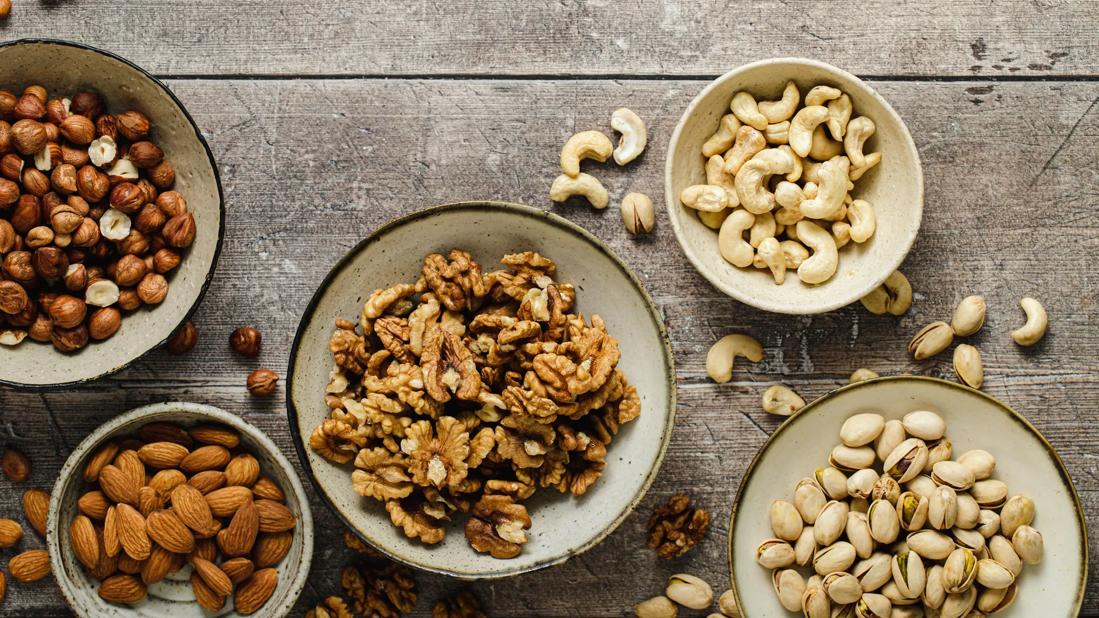
Image content: This image is available to view online.
View image online (https://assets.clevelandclinic.org/transform/471f9324-2b24-4de8-ac52-fbb5c5d4f066/mixed-nuts-1729805263)
Separate bowls of shelled almonds, walnuts, cashews, hazelnuts, and in-shell pistachios
Walnuts, pistachios, almonds — by now, you know that nuts are an important part of a healthy, whole food diet. But research shows they may be especially beneficial for people with Type 2 diabetes.
Advertisement
Cleveland Clinic is a non-profit academic medical center. Advertising on our site helps support our mission. We do not endorse non-Cleveland Clinic products or services. Policy
“Research shows a significant reduction in cardiovascular risk factors in people with diabetes when they’re eating at least five servings of nuts a week,” says registered dietitian Julia Zumpano, RD, LD. “The serving size was about an ounce, or 28 grams, which is the amount I recommend.”
So, what are the best nuts for people with diabetes? Zumpano cracks the shell on which nuts you should be reaching for if you have Type 2 diabetes.
In a nutshell, yes. Nuts have monounsaturated fatty acids, protein, vitamins, minerals, antioxidants, fiber and phytochemicals. Bonus, they’re low in carbohydrates. Zumpano says this means they help fill us up while keeping our blood sugar low, but are still nutrient-packed.
She adds that when people eat nuts instead of a carbohydrate-rich or fat-filled snack food when they get hungry, it helps keep their numbers in check.
“Regular nut intake gives you such satiety, fullness and nutrient density that you’re not looking for other snacks to fill up on, therefore leads to better management of your blood sugars and cholesterol” she notes.
Nuts have also been shown to improve “good” cholesterol and lower “bad” cholesterol.
Zumpano suggests aiming for at least three servings of nuts each week. A serving size is an ounce, or about the amount that would fit in the palm of your hand.
Advertisement
What kind of nuts should you be eating? Zumpano recommends the following:
Almonds are an easy snack — and you get 24 almonds in a single 1-ounce serving. Almonds increase your high-density lipoproteins (HDL, aka “good”) cholesterol and reduce the amount of low-density lipoprotein (LDL, aka “bad”) cholesterol.
In fact, research shows that almonds may positively affect blood sugars and reduce heart disease in people with Type 2 diabetes.
Just like almonds, research shows that walnuts can reduce your levels of LDL and increase your levels of HDL. Walnuts also are high in omega-3 fatty acids, which can reduce triglycerides and reduce the risk of heart disease.
And while high in calories (you get about 14 in a 1-ounce serving size), walnuts don’t affect body weight when you adhere to the recommended serving size.
Also known as filberts, hazelnuts are rich in magnesium, calcium, vitamins B and E, as well as unsaturated fats. Research shows that hazelnuts — as part of a nut mix — may help lower blood sugar and improve insulin sensitivity in those with Type 2 diabetes.
You can eat about 12 hazelnuts in a 1-ounce serving.
Selenium, an essential mineral found in Brazil nuts may lower insulin, increase insulin sensitivity and improve blood sugar levels in people with Type 2 diabetes, according to research.
You can eat 8 medium-sized Brazil nuts in a single 1-ounce serving.
Research shows that in people with Type 2 diabetes, pistachios can reduce triglycerides and lead to a better HLD to LDL ratio.
In a 1-ounce single serving, you can eat about 49 pistachios.
In addition to being high in zinc, iron and magnesium, research shows that cashews may lower blood pressure and increase levels of HDL cholesterol in people with Type 2 diabetes.
You can eat about 18 medium-sized cashews in a single 1-ounce serving.
Eating peanuts may help regulate your blood sugar if you have Type 2 diabetes, according to research. Peanuts can also help lower your risk of heart disease.
In a 1-ounce serving, you can eat about 35 peanuts.
Pecans contain polyphenols, manganese and vitamin E — and they have a low glycemic index so they won’t cause a spike in your blood sugar.
You can eat 15 pecan halves in a 1-ounce serving.
Macadamia nuts are low in carbs and sugar, as well as monounsaturated fats, which may help lower the risk of heart disease. Research indicates that this tree nut may help with glycemic management.
You can eat 12 macadamia nuts in a 1-ounce serving.
Whether you’re sprinkling pistachios on Greek yogurt or tossing cashews in a stir-fry, nuts can be a great addition to your daily meals and snacks. And while it’s OK to indulge in them, you do want to enjoy nuts in moderation.
Advertisement
Also, look for nuts that are raw or dry-roasted and avoid options that are covered in tons of salt, sugar, oil, chocolate or other toppings.
If you want to add more flavor to your nuts, try dry roasting or oil roasting (using avocado or olive oil) them yourself or make a healthy snack mix.
“You can spice them up too with a savory or sweet blend of choice,” suggests Zumpano. “Keep in mind that you want to limit added salt and sugar, but who needs those when you have cayenne, cocoa, turmeric, paprika, nutmeg and cinnamon.”
Advertisement

Sign up for our Health Essentials emails for expert guidance on nutrition, fitness, sleep, skin care and more.
Learn more about our editorial process.
Advertisement

Remission is possible for Type 2 diabetes, but it requires significant, sustained changes to your health

Avoiding outside messaging may be difficult, but you can change how you think about T2D

Track your blood sugar levels and pay attention to any symptoms, like feeling thirstier than normal

Prioritize your health by managing stress, strengthening your social connections and getting quality sleep

Keto can reduce blood sugar, but that doesn’t mean it’s right for everyone
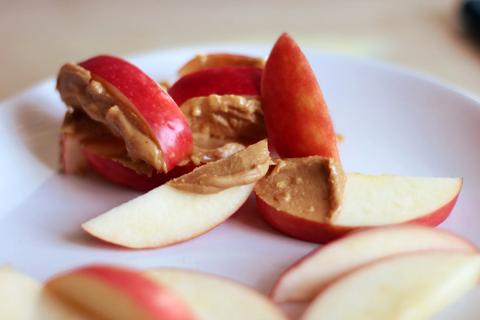
Opt for foods that have a mix of protein, fiber and healthy fats

Pack extra medication and supplies, bring healthy snacks and set reminders
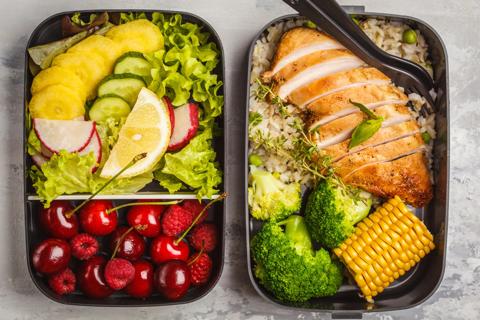
Use the ‘plate method’ to create a meal with non-starchy vegetables, lean proteins and carbs

Most breast pain isn’t a sign of cancer, but certain symptoms deserve a closer look

It’s a myth that you should avoid sleep (or have someone wake up throughout the night) after a head injury

The color and shade of your urine offer a window to your health











