Locations:





 Search
Goals that are specific, measurable, attainable, relevant and time-bound can support improvement in your health and wellness
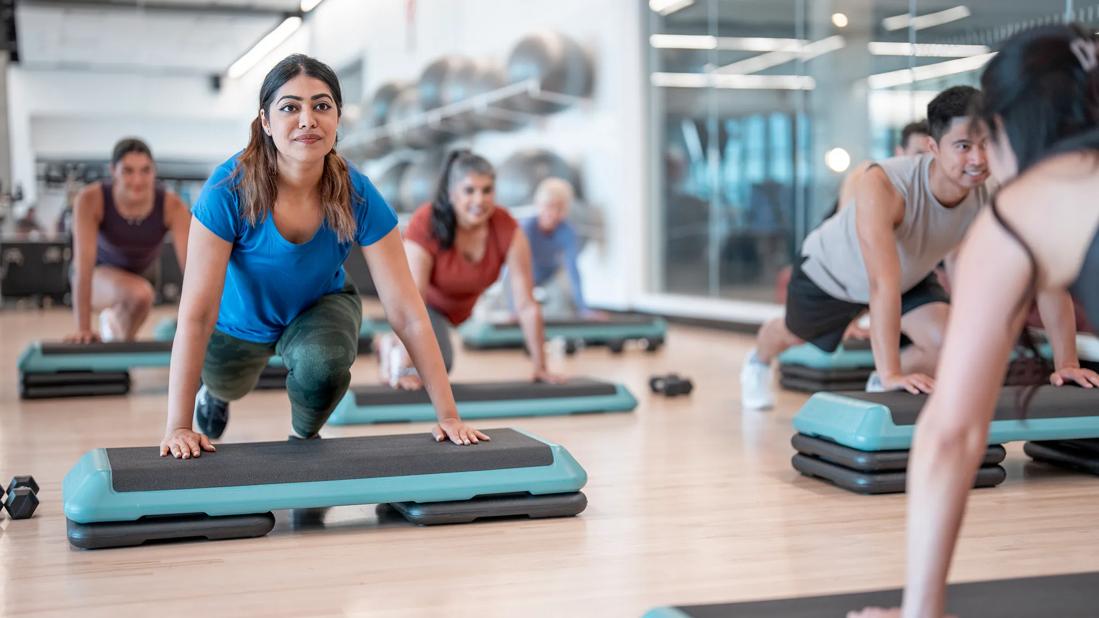
Working on your physical fitness takes time, energy and dedication. After all, they don’t call it “work” for nothing. But whether you’re a dedicated fitness buff or just getting started, success often revolves around creating SMART fitness goals that have specific, achievable criteria.
Advertisement
Cleveland Clinic is a non-profit academic medical center. Advertising on our site helps support our mission. We do not endorse non-Cleveland Clinic products or services. Policy
Exercise physiologist Christopher Travers, MS, shares how to set SMART fitness goals for better performance and why following this framework helps.
SMART fitness goals have the following features to help you approach an objective with structure and intention:
Advertisement
“SMART fitness goals are a framework for how you’re going to achieve certain results,” says Travers. “If we don’t have something that we’re moving toward or a plan to get there, we can get lost and lose motivation. Setting SMART goals allows you space to consider what you really want to achieve in your exercise program within a certain period of time.”
SMART goals are different for everyone. They’re based on personal fitness levels and you’re your own desired outcomes. Often, it helps to look at goals in the short and long term.
“In general, short-term fitness goals should be things you plan to achieve in the next six months or less,” advises Travers. “Anything longer than that is considered a more long-term goal.”
Changing your habits can sometimes be uncomfortable, but it’s worth it in the long run. Having a plan can help get you where you want to be and ease some of that discomfort. Here’s what Travers recommends when it comes to creating them.
Having people cheer you on can provide accountability and reassurance that you can (and will) succeed. Share your exercise schedule with family or friends, or join a group class at the gym. That kind of accountability can take you far.
Write down the work you’ve put in and the gains you’ve made to keep up the momentum. Use fitness trackers, smartwatches and other tools to measure your success along the journey, even if such measurements feel small. By keeping track of your progress, you can start to pinpoint areas that need more focus and attention.
If you’re not meeting your fitness goals, give yourself permission to pivot. Maybe you need to create smaller, more attainable goals, or shift your way of doing things. Just remember: Be kind and rewind when your fitness journey feels stuck.
Spark further momentum by revisiting your purpose. It’ll help get you back on track when you’re plateauing or feeling unmotivated. “Remind yourself why you’re exercising and what you’re trying to achieve,” recommends Travers. “If you lose sight of that purpose, it’s OK to start over and redefine what you want for your fitness journey.”
Achieving short-term goals can get you closer to accomplishing long-term ones. If you’re overwhelmed by a challenge, focus on one small thing you can do to make progress. This can help motivate you and keep you on track when the big picture gets in the way.
Schedule your workouts and set aside time to focus on your fitness. Smaller goals will feed into longer ones, and each new challenge you face will build off the progress you made before.
If you’re not sure where to start, or if you feel stuck at any point, ask for help. An athletic trainer can help you map out a manageable plan. They can also help you up your game by safely increasing fitness challenges as you make progress.
Advertisement
Take a moment to congratulate yourself on your victories, no matter how small. Sometimes, just sticking with the plan you’ve created is reason enough for celebration — especially if commitment is challenging for you.
You can reward yourself in different ways. Maybe try out a new physical activity you’ve never done before or go shopping for that one item you’ve been wanting to add to your at-home gym.
Short-term plans and long-term goals that are attainable and measurable can help take some of the guesswork out of the equation. Creating fitness goals for your overall health and wellness also helps:
“Using SMART goals to personalize your fitness routine can make workouts feel more meaningful and engaging,” reinforces Travers. “It’s a great place to start if you’re ready for new challenges or looking to make improvements.”
Advertisement

Sign up for our Health Essentials emails for expert guidance on nutrition, fitness, sleep, skin care and more.
Learn more about our editorial process.
Advertisement

Squats are foundational for building strength in your legs, glutes, quads and core muscles

A consistent walking program is an effective way to drop pounds and lose body fat
You can improve your athletic performance over time by breaking up your workout regimen into focused cycles
Lower-intensity workouts can deliver high-quality health and fitness results

Incremental changes in your exercise routine can improve your strength and endurance over time

Understanding heart rate zones can help you tailor your workout to reach your goals

Increase the size of your muscles by bulking up on protein and focusing on slow, intense movements with progressive overloading
Low-impact exercises help you recover faster between sets, during cool downs and on rest days

Even small moments of time outdoors can help reduce stress, boost mood and restore a sense of calm

A correct prescription helps your eyes see clearly — but as natural changes occur, you may need stronger or different eyeglasses

Both are medical emergencies, but they are very distinct events with different causes











