Locations:





 Search
Limiting saturated fat, upping your fiber intake and moving around more can help reduce your ‘bad’ cholesterol
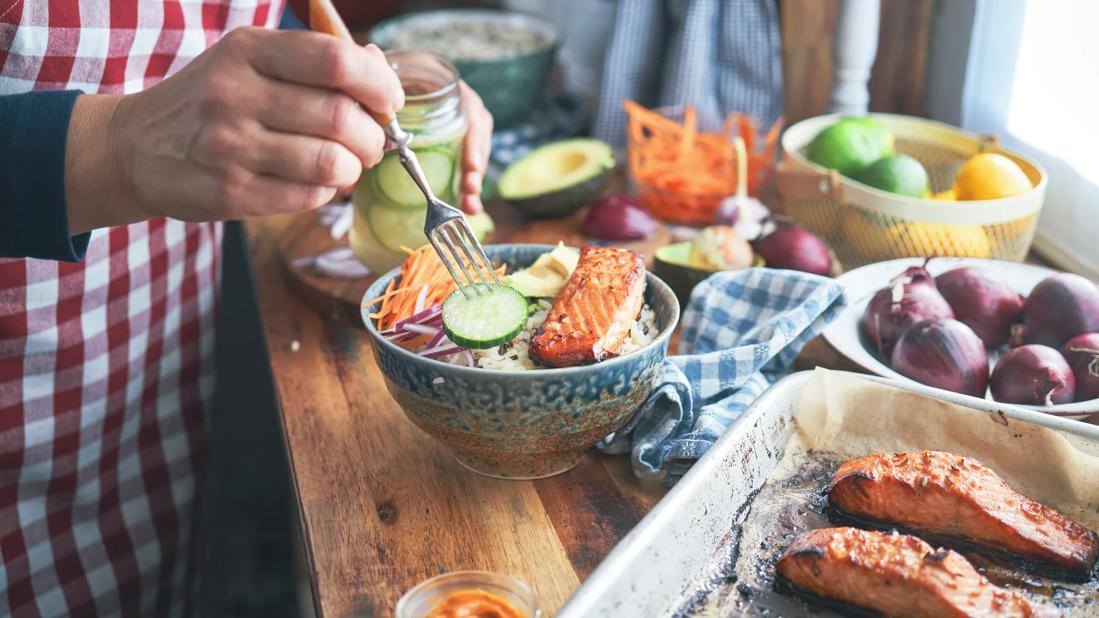
Image content: This image is available to view online.
View image online (https://assets.clevelandclinic.org/transform/c46a209f-234f-40af-8b17-ad251555243e/salmon-avocado-2170242837)
Person preparing a bowl with salmon and avocado and other vegetables
High cholesterol got you down? We hear you. It can be upsetting or just plain frustrating to see that your cholesterol numbers aren’t ideal, especially if you’ve been trying to improve them.
Advertisement
Cleveland Clinic is a non-profit academic medical center. Advertising on our site helps support our mission. We do not endorse non-Cleveland Clinic products or services. Policy
Preventive cardiologist Leslie Cho, MD, is here to help. Dr. Cho shares some proven ways to lower cholesterol and keep it in a healthy range.
Yes, it’s possible to lower your cholesterol without medication. There’s a lot you can do in your daily life, from dietary changes to exercise. These efforts may help reduce the LDL (“bad”) cholesterol in your blood while also increasing the HDL (“good”) cholesterol.
So, how do we reach our cholesterol goals? Dr. Cho helps us count the ways.
When it comes to lowering your cholesterol, the type of fats you eat matters. “Choose healthy fats that boost your ‘good’ cholesterol and limit unhealthy fats that drive up your ‘bad’ cholesterol,” Dr. Cho advises.
Some fats are healthy because they support healthy cholesterol levels, among many other benefits. These dietary heroes show up as “monounsaturated” and “polyunsaturated” fats on food labels. You can find them in:
Saturated fat can increase the amount of “bad” cholesterol in your blood. So, limit it wherever possible.
“This means becoming a food label reader,” Dr. Cho says. “Choose foods with no more than 4 grams of saturated fat per serving.”
Advertisement
The total amount you get per day matters, too. “Saturated fat should account for less than 6% of your daily caloric intake,” she continues. That works out to about 13 grams per day if you’re taking in 2,000 calories.
Foods high in saturated fat include:
Despite laws that limit or ban their use, trans fats are still found in some packaged baked goods, shortenings and fried foods.
“Trans fats have a very negative impact on the body,” Dr. Cho warns. “Not only do they worsen your cholesterol, but they also increase your markers of inflammation.” This can lead to inflamed blood vessels, a risk factor for heart attacks.
If you’re focusing on dietary fats, you’ll soon notice a trend. Plant-based products give you more of the healthy fats, while animal-based products give you more of the unhealthy ones.
“A great way to lower your cholesterol is to switch to a plant-based diet while still trying to maintain variety,” Dr. Cho says. Beans, lentils, chickpeas and edamame are just a few of the foods that can support healthy cholesterol levels while still providing lots of protein.
Not eager to go fully plant-based? That’s OK. There’s value in making any changes on a scale that works for you. For example, start by trying to have one plant-based meal per day, or replace your usual beef burger with a veggie burger. Build from there as you’d like.
You might have heard that there are two types of fiber — soluble and insoluble. It’s important to get a good mix of both. But soluble fiber is the type that lowers your LDL cholesterol. “That’s because it binds to cholesterol and eliminates it from your body,” Dr. Cho explains.
Foods that can help you up your soluble fiber game include:
It’s also worth asking your provider if a fiber supplement is right for you. This may help if you’re not getting enough fiber from food.
Flaxseed gives you soluble fiber and omega-3 fatty acids (healthy fats), making it a perfect go-to when you’re trying to reach healthy cholesterol levels. It’s also a source of high-quality protein and potassium, among tons of other nutritional benefits.
But a word to the wise: The form of flaxseed matters. Choose ground or milled flaxseed, which is easier for your body to absorb and use. Avoid flaxseed that’s in pill or oil forms.
Advertisement
“Aim for two tablespoons of ground flaxseed a day,” Dr. Cho recommends. “Try sprinkling it on nonfat Greek yogurt or oatmeal.”
Research shows aerobic exercise can boost your “good” cholesterol and reduce your “bad” cholesterol. It can also reduce another type of harmful fat in your blood called triglycerides.
Plus, being physically active may help you lose weight, which affects cholesterol. “If you lose even a small amount of weight, your HDL will go up and your LDL will come down,” Dr. Cho says. “Losing five to 10 pounds can lower your total cholesterol by 5% to 10%.”
Try to get in at least 150 minutes of aerobic exercise each week. Thinking that’s impossible right now? No sweat. Start with five minutes a day and work your way up. The benefits to your heart extend well beyond cholesterol levels.
Before you jump in: It’s always important to speak with a healthcare provider before starting any exercise plan to make sure it’s safe for you. Your provider can also help you adapt workouts to meet your needs.
There are many reasons to kick a smoking habit, and your cholesterol is just one of them. Smoking raises your LDL cholesterol and lowers your HDL cholesterol. It also increases your risk of a heart attack, stroke or sudden cardiac death.
Advertisement
Don’t hesitate to reach out to a provider for resources and support.
“Stress harms your cardiac health,” Dr. Cho says. “Stress makes your body release a hormone that raises your blood pressure, your heart rate, and your likelihood of a heart attack or stroke.”
Stress indirectly affects your cholesterol levels by making it harder for you to eat healthy foods, find time to exercise or quit habits like smoking.
Whether it’s daily yoga or simply 10 minutes of peace and quiet with your phone off, a little stress relief can go a long way.
Many people see improved cholesterol numbers about three to six months after they start making changes. But everyone’s different, and lots of factors impact your cholesterol, including your genes.
“If high cholesterol runs in your family, it might be harder to reach healthy cholesterol levels through habit changes alone,” Dr. Cho explains.
You may benefit from medication if your cholesterol remains high despite doing all you can to lower it. The timing varies by person. Your healthcare provider might suggest starting meds sooner if you have other heart disease risk factors.
Does that mean all the changes you made were useless? Not at all. Even if your cholesterol doesn’t budge much, your heart is thanking you for your efforts. Things like a healthy diet and regular exercise help manage your weight, lower your blood pressure, reduce your diabetes risk — and so much more.
Advertisement
That’s why it’s important to keep up your efforts even if you start medication. And to keep your eye on the bigger prizes: a healthier heart and longer life.
“A cholesterol-lowering journey is also a heart-health journey,” Dr. Cho emphasizes. “And it’s one that’s well worth your time and effort.”

Sign up for our Health Essentials emails for expert guidance on nutrition, fitness, sleep, skin care and more.
Learn more about our editorial process.
Advertisement

By boosting your ‘good’ cholesterol, exercise can indirectly lower your ‘bad’ cholesterol — but it’s most helpful when paired with dietary changes
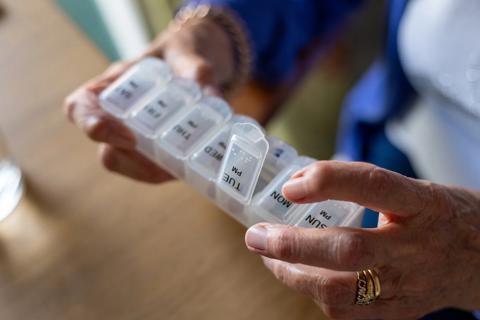
Despite earlier concerns, recent research suggests statins don’t raise dementia risk — and they may lower it

High cholesterol can be genetic, but testing and treatment can lower your heart disease risk

There isn’t enough research to recommend the supplement as a solution for lowering LDL levels
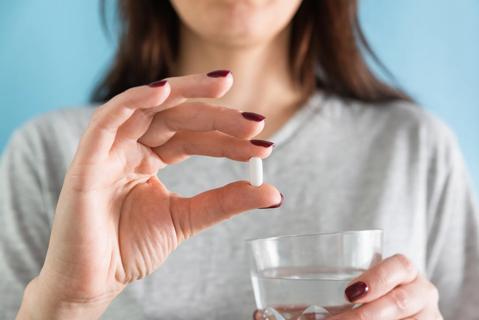
You may notice a decrease in your LDL ‘bad’ cholesterol in about four weeks
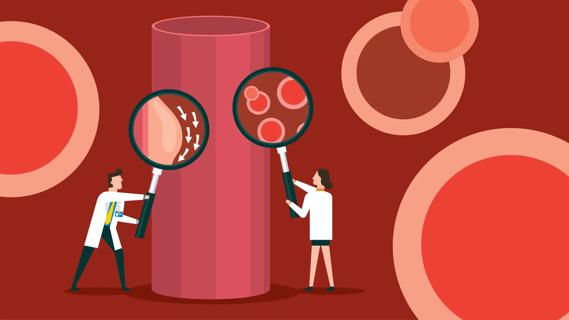
In the world of cholesterol, HDL particles are ‘good’ and LDL particles are ‘bad’ for your heart health
Medications known as statins can lower cholesterol levels to minimize the risk of blocked arteries
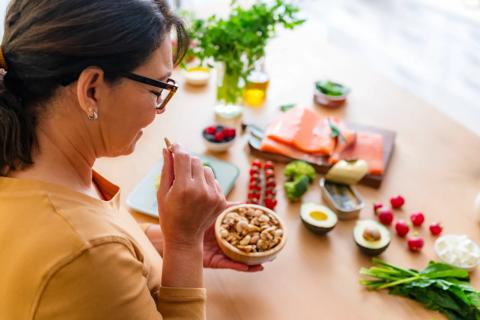
Fatty fish, flaxseed, extra virgin olive oil and nuts may help raise your HDL number

The virus that causes the so-called ‘stomach flu’ can cling to surfaces for days or even weeks
There isn’t clear evidence that melatonin harms your heart — but finding the cause of sleep issues is key to long-term heart health

Your dollar bills, coins and cards are covered in germs — but they’re very unlikely to make you sick











