Locations:





Despite earlier concerns, recent research suggests statins don’t raise dementia risk — and they may lower it
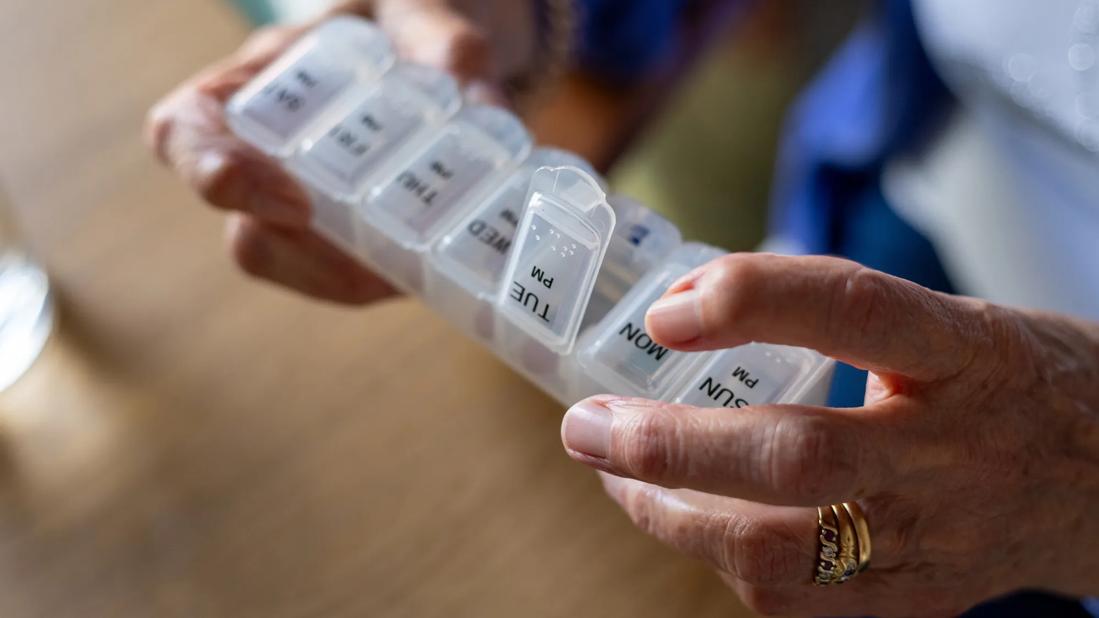
Image content: This image is available to view online.
View image online (https://assets.clevelandclinic.org/transform/78d38d1e-a08e-41ba-9f9c-5ba440a73697/statins-dimentia-2250981598)
Older person's hands holding weekly medication holder, opening the day's medicines
Statins are among the most commonly prescribed medications for heart health, but concerns about their long-term effects can be worrying.
Advertisement
Cleveland Clinic is a non-profit academic medical center. Advertising on our site helps support our mission. We do not endorse non-Cleveland Clinic products or services. Policy
Conflicting headlines can add to the confusion.
Some studies suggest that taking statins can raise your dementia risk. Others give the impression that taking statins can help ward off cognitive decline.
Which is it?
The jury’s still out, but things are looking promising for people who take statins, says memory and cognitive disorders specialist Nicholas Doher, MD. Dr. Doher explains the latest understanding.
Statins work by lowering your LDL (“bad”) cholesterol. They can also reduce plaque buildup in your blood vessels that can lead to heart attacks, stroke and other life-threatening conditions.
Researchers have long explored how statins might also affect your brain. After all, your heart and brain health are intricately connected. The same plaques that affect your heart travel through a complex system of blood vessels that supply your brain.
“What affects your heart affects your brain,” says Dr. Doher.
Over the years, some studies have suggested a possible connection between using statins and your risk for cognitive decline. But the findings have been inconsistent and often conflicting.
Some early studies suggested that statins may raise your risk for dementia. But there’s some important context missing there.
Advertisement
Notably, the research didn’t show that taking statins caused dementia. Instead, it showed that people who took statins went on to develop dementia at a higher rate than average.
That’s not surprising, Dr. Doher says. “It makes sense that people who need statins would also be at increased risk for dementia. Not because of the statin — but because people who need statins can also be at higher risk for other health conditions that are common in people who develop dementia.”
For example, the statin-users studied may also have had conditions like high blood pressure, diabetes or a history of smoking. All of which are risk factors for dementia. Those co-factors weren’t addressed in the study.
Since then, more intensive research has been done, including meta-analyses to separate the statin itself from the effects of other health conditions. Those are studies that analyze data from other research reports and weigh the strength of the findings. They’re considered the gold standard in medical research.
Those analyses suggest that statin use doesn’t raise your risk for dementia. And that they very well may be associated with a lower risk of developing dementia.
That’s because statins can protect you from major cardiovascular events, and they keep plaque from building up in your blood vessels. All of which can help protect your brain from damage that can contribute to dementia.
So, what’s the verdict?
“We don’t know for sure yet, but when you look closely at the highest‑quality evidence and weigh everything together, it becomes very hard to make the case that statins increase dementia risk,” Dr. Doher states. “If anything, there’s a stronger argument that they may help reduce your risk.”
If you take a statin, Dr. Doher advises that dementia risk shouldn’t be a reason to stop.
“Nobody should be prescribing statins specifically to prevent dementia,” he clarifies. “But if you’re using them as prescribed for the right cardiovascular indications, I’m not worried about them causing harm to your brain.”
Stopping a statin on your own isn’t recommended. If you’re worried that your medication is affecting your thinking or have any other concerns, talk with your healthcare provider. Switching to a different statin or adjusting your treatment plan may help.
Advertisement

Sign up for our Health Essentials emails for expert guidance on nutrition, fitness, sleep, skin care and more.
Learn more about our editorial process.
Advertisement
You may notice a decrease in your LDL ‘bad’ cholesterol in about four weeks
Medications known as statins can lower cholesterol levels to minimize the risk of blocked arteries

Grapefruit contains natural chemical compounds that can interfere with certain medications when it’s consumed in large amounts

Up to 30% of people who take the cholesterol-lowering medication feel aches and soreness
There’s not enough evidence to show that this supplement has any effect on muscle aches from cholesterol-lowering meds
Statin use has been associated with weight gain but the reasons aren’t clear — and the benefits of statins far outweigh the risks
Some statins have been shown to slightly increase your risk of diabetes — but that shouldn’t keep you from taking the medication you need
Stopping this critical medication on your own increases the risk of heart attack, stroke and more

Managing your weight through physical activity may lower your chances of getting this common cancer

It typically starts in October and winds down in early spring, with cases at their highest in the middle of winter

Anxiety disorders, health conditions and past trauma can make driving nerve-wracking — help is available
 Search










