Locations:





You may notice a decrease in your LDL ‘bad’ cholesterol in about four weeks
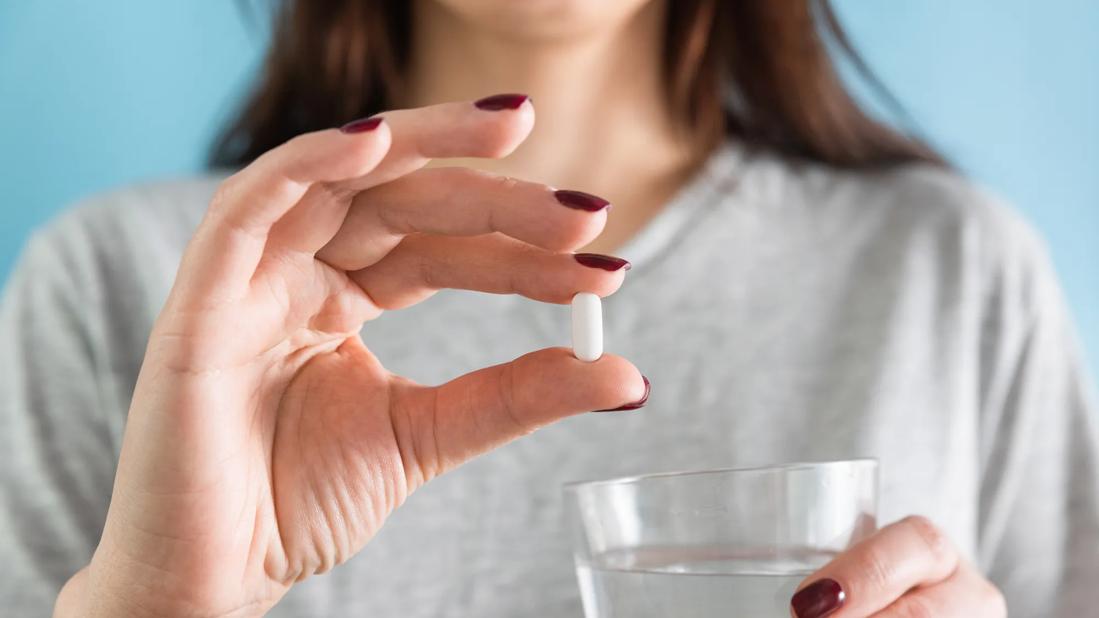
Image content: This image is available to view online.
View image online (https://assets.clevelandclinic.org/transform/385b503f-9252-413f-a9ab-2c1428a23d60/person-pill-1481160427)
Person holding up a pill in hand and water in other hand
If you have high cholesterol, your healthcare provider may prescribe a statin. This type of medication works by blocking certain enzymes your liver needs to make cholesterol. They can be an effective way to reduce plaque buildup in your arteries and lower your LDL (low-density lipoprotein or “bad”) cholesterol.
Advertisement
Cleveland Clinic is a non-profit academic medical center. Advertising on our site helps support our mission. We do not endorse non-Cleveland Clinic products or services. Policy
But how long does it take for statins to reduce plaque? Cardiologist Ashish Sarraju, MD, shares more about how statins work.
Statins are available as a tablet or capsule that you’ll need to take daily.
“Statins work by inhibiting an enzyme called HMG CoA reductase, which plays a role in cholesterol synthesis in the liver,” explains Dr. Sarraju. “And that, ultimately, leads to the production of cholesterol particles, including LDL cholesterol, that float around in your blood.”
By lowering your LDL, statins can stop the progression of plaque or even reduce the amount in your arteries. If plaque builds up over time, it can cause heart attacks and stroke. Statins also reduce high-sensitivity C-reactive proteins (hsCRP), which can help reduce inflammation.
“All of that can lead to a decrease of cardiovascular events,” adds Dr. Sarraju. “Studies show that controlling LDL cholesterol to very low levels has led to a decrease or stabilization of heart plaque.”
Dr. Sarraju says that it can take only a few weeks after that first dose of statin to notice a difference.
“You can see changes to your LDL levels within four weeks of taking a statin medication. Within one to three months, you’ll see noticeable improvement. By the time you’re at the three-month mark, you’re seeing more or less the full effect of the statin, regardless of which type of statin you’re taking.”
Advertisement
Statins are typically divided into three categories:
“In general, your doctor can make treatment decisions by checking your cholesterol levels about four to six weeks after starting treatment,” says Dr. Sarraju.
If your LDL numbers aren’t decreasing after starting a statin, your doctor may raise your dosage amount.
“In some circumstances, people may have side effects, which sometimes require your doctor to change the dose or change the medication,” shares Dr. Sarraju.
Common statin side effects include:
You may be tempted to stop taking statins completely if you’re having side effects — about 30% of people have a statin intolerance and may be unable to take the medication. But Dr. Sarraju says it’s important to have a conversation with your healthcare provider.
“Your doctor can figure out if your side effects are potentially related to your statin medication or what may be atypical or uncommon,” he explains.
Statins are a great option to help reduce your LDL cholesterol levels (and therefore, prevent plaque buildup in your arteries). Again, some may see improvements as early as four weeks.
But it’s not a quick, one-and-done fix. You’ll need to be on the medication long term. And you may also need to make certain lifestyle changes, like increasing your physical activity and eating a heart-healthy diet.
“Cholesterol doesn’t act in a day. Risk factors for heart disease don’t act in a day. They build up over time — be it cholesterol or high blood pressure,” points out Dr. Sarraju. “That’s why staying on a statin long term matters if you need one. The longer you control these risk factors, the more you lower your heart disease risk.”
Advertisement

Sign up for our Health Essentials emails for expert guidance on nutrition, fitness, sleep, skin care and more.
Learn more about our editorial process.
Advertisement
Despite earlier concerns, recent research suggests statins don’t raise dementia risk — and they may lower it
Medications known as statins can lower cholesterol levels to minimize the risk of blocked arteries

Grapefruit contains natural chemical compounds that can interfere with certain medications when it’s consumed in large amounts

Up to 30% of people who take the cholesterol-lowering medication feel aches and soreness
There’s not enough evidence to show that this supplement has any effect on muscle aches from cholesterol-lowering meds
Statin use has been associated with weight gain but the reasons aren’t clear — and the benefits of statins far outweigh the risks
Some statins have been shown to slightly increase your risk of diabetes — but that shouldn’t keep you from taking the medication you need
Stopping this critical medication on your own increases the risk of heart attack, stroke and more

Hormonal changes, a slower metabolism and muscle loss can make weight gain more common around menopause — healthy habits can help you manage it

Life-threatening complications include sepsis, stroke, pneumonia and more

Fruity-smelling breath can happen when your body burns fat for energy, and in some cases, can signal a medical emergency
 Search










