Locations:





Achieve clearer skin with chemical peels, dermabrasion, fillers and laser resurfacing
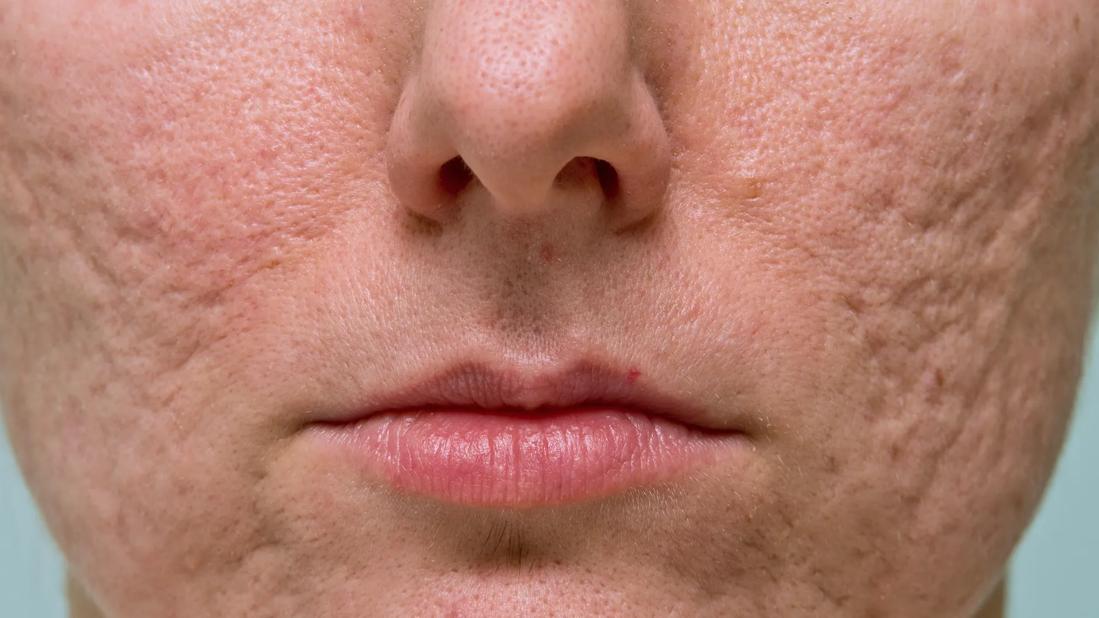
Image content: This image is available to view online.
View image online (https://assets.clevelandclinic.org/transform/809e108c-5471-44ef-bddf-96789d2ce937/acneScarringRid-467307287-770x533-1_jpg)
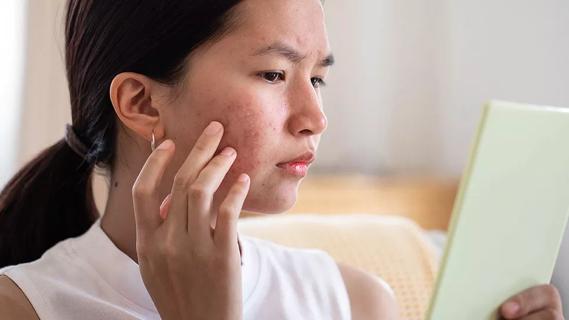
Face with acne scars
Acne is a common skin condition that can affect just about anyone. For example, 80% of people ages 11 to 30 have had mild forms of acne. And while it may seem like the nuisance will never go away, it can. But sometimes, we’re left with acne scars.
Advertisement
Cleveland Clinic is a non-profit academic medical center. Advertising on our site helps support our mission. We do not endorse non-Cleveland Clinic products or services. Policy
Whether they’re raised or sunken, there are several good ways to mask or minimize these scars — think laser resurfacing, chemical peels and microneedling.
“I’m always amazed at how much healing the skin can do once you get the inflammation under control,” says dermatologist Jonathan Braue, MD.
Dr. Braue explains how some treatments can help you get rid of acne scars or minimize their appearance.
If you’re trying to figure out how to get rid of pimple scars, Dr. Braue says your best bet is to start with a dermatologist. First, they’ll focus on getting your acne managed. The fewer breakouts you have, the fewer scars you’ll get. And the good news is that not all acne scars are permanent.
When your doctor turns attention to your acne scars, they’ll typically explore the following treatment options.
Over-the-counter options can help reduce the appearance of acne scars. The ones that work best include retinoids or facial acids, like:
These help remove dead skin cells and improve acne scarring by smoothing fine lines and wrinkles and stimulating collagen production, which helps fill in scarred tissue.
Your dermatologist may apply a chemical solution to your skin to get rid of acne scarring. This causes the surface layer of your skin to blister and eventually peel off, creating new, regenerated skin that’s smoother than the old skin.
Advertisement
Peeling typically causes redness, and sometimes swelling and cold sores, for up to seven days. This treatment is also less expensive because you’ll usually only need one treatment session.
“If a chemical peel doesn’t work, people often try lasers because they’re more precise,” Dr. Braue notes.
Lasers can break down damaged skin from scarred tissue and stimulate collagen production. Certain types of lasers are also used to reduce redness by flattening blood vessels in the affected areas.
“Afterward, the skin is swollen and red, and may bleed, for up to five days,” says Dr. Braue. “You may also need between three and five treatment sessions.”
Laser treatments aren’t just for getting rid of acne scars. Doctors also use lasers to treat other types of scarring, including those from burns and skin cancer and for tattoo removal.
Similar to laser resurfacing, dermabrasion uses a special tool that creates friction to remove your skin’s top layer. Think about it as a “sander” that smooths your skin.
Once that top layer of skin is removed, a moist dressing is applied to help it heal, which can take a couple of weeks.
Microdermabrasion is similar to dermabrasion, but typically involves multiple treatments with shorter recovery times. Microdermabrasion doesn’t go as deep or leave as permanent a change as laser treatments, but it’s less expensive and requires less preparation.
Yes, fillers are typically used to treat wrinkles. But they can also be used to help with sunken acne scars.
Hyaluronic acid fillers like Restylane® and Juvederm® help plump your skin and can smooth out any sunken areas, while collagen fillers like Bellafill® lift the acne scar and can add volume. Sculptra®, which is a poly-L-lactic acid filler, works over time by stimulating collagen production to raise any recessed acne scars.
Your doctor may also suggest a fat transfer, when fat from another part of your body is harvested and injected into the acne scar area.
For all varieties of filler, you may experience swelling, redness and discoloration. And depending on what type of filler is used, you may need multiple treatments.
Also known as collagen-induction therapy, microneedling uses either a fine-needle roller or pen device to create tiny holes in the top layer of scar tissue to stimulate more collagen production. As a result, your acne scars smooth themselves out.
Redness occurs afterward and typically lasts a couple of days. Most people will need four to six microneedling treatments for best results when it comes to acne scars.
Your doctor may use more than one type of treatment, too, depending on your needs. For instance, they may treat some scar tissues with a laser and others with microneedling.
Advertisement
“When you have damaged skin, no treatment will make it look perfect again,” states Dr. Braue. “But depending on its severity, an acne scar can diminish by as much as two-thirds after treatment.”
If you have a pitted scar that won’t heal well with standard treatment, your doctor may opt for punch excision.
“This is where the whole scar and hair follicle are removed prior to resurfacing,” explains Dr. Braue.
A round tool is used to completely remove a scar by puncturing the top layer of skin. Then, stitches are used to close the area, which should result in a smaller, flatter scar that fades over time.
Subcision is a procedure that involves releasing a scar that’s bound to the muscle or deeper tissues so that it can move freely again.
This minimally invasive technique, which uses a surgical probe or needle, is helpful for bringing deeper scars to the surface. It helps them become more responsive to the laser, chemical peel or microneedling treatments.
For one to two weeks after this procedure, you may notice minor bruising.
A common treatment, steroid injections can be used to flatten raised acne scars. You’ll need multiple treatments before you see any noticeable difference.
Side effects can include mild pain, bruising and possibly bleeding. Alternating injections with laser treatments can often enhance results.
Advertisement
Providers will sometimes use radiofrequency devices that use heat energy to reduce acne scarring without causing further damage to the surface of your skin. These treatments are effective for tightening skin and filling in scar tissue. They work best for mild to moderate acne scars.
Injections of Botox® can help relax and smooth out the skin around acne scars, helping to improve their appearance. The downside is that these treatments are temporary and may need multiple follow-ups to achieve desired results.
There are plenty of over-the-counter products that claim to improve a scar’s texture, color and appearance. Many of them include natural ingredients like:
While these raw, natural ingredients may have some benefit for treating acne as a whole, in reality, Dr. Braue says there’s no real way to get rid of acne scars naturally at home without the help of a dermatologist.
It’s often hard to tell which, if any, skin care products are scientifically proven to be useful against acne scarring. Many aren’t U.S. Food and Drug Administration (FDA) approved, and they could have other ingredients that could cause harmful side effects or allergic skin reactions.
Advertisement
If you’re curious about trying new products or treatments, always talk to a healthcare provider first. They can help you decide what’s safe and effective.

Sign up for our Health Essentials emails for expert guidance on nutrition, fitness, sleep, skin care and more.
Learn more about our editorial process.
Advertisement
Antibiotics should be used for short periods alongside other treatments to help with inflammation
It’s best to avoid picking at zits, which can damage your skin (though there are ways to minimize the risk)
This medication only works well for short periods of time and when paired with other treatments
‘Zit stickers’ can help heal a new or popped pimple, but they’re limited when it comes to managing acne
Try exfoliating and using salicylic acid to treat this pesky skin care issue
Wear light, breathable clothing, shower after you exercise and change your sheets regularly
As you age, hormones can continue to play a big role in breakouts
Some remedies might help banish breakouts, but others are best avoided

Managing your weight through physical activity may lower your chances of getting this common cancer
It typically starts in October and winds down in early spring, with cases at their highest in the middle of winter

Anxiety disorders, health conditions and past trauma can make driving nerve-wracking — help is available
 Search










