Locations:





 Search
Our vision and eye experts have the clear answer

A: Aging can take a toll on your eyes, a reality obvious to anyone who has held a restaurant menu at arm’s length or up to their nose to clearly read the list of entrées.
Advertisement
Cleveland Clinic is a non-profit academic medical center. Advertising on our site helps support our mission. We do not endorse non-Cleveland Clinic products or services. Policy
If this describes you, let’s start with the basics: It’s important to have your eyes examined to determine if you need a prescription for glasses or if there’s some other issue related to your vision. Don’t put this off.
Now, let’s talk about where you might be able to find corrective reading lenses if they’re needed.
For the vast majority of people, over-the-counter (OTC) readers should not be a problem as long as they match the power of the prescription. For instance, if your doctor recommends +2.00 in each eye, then purchasing OTC readers of the same power should generally suffice.
Know this, though: The quality of the lenses and materials of mass-produced readers is usually inferior to those of privately manufactured specs. Many people are willing to accept this compromise because of the low cost of the product.
There are instances where OTC readers are not ideal, though. In rare cases when the distance between pupils is very small or very wide, the lenses in OTC readers can cause eye strain or double vision.
If you’re experiencing these symptoms with OTC readers, it’s best to replace them with a proper pair of prescription glasses.
But if you can go the over-the-counter route, here are some tips.
Advertisement
If your vision continues giving you problems after adding glasses, schedule an appointment to see your optometrist or ophthalmologist. You may need a different prescription, bifocals or some other remedy.
— Optometrist Robert Engel, OD, and ophthalmologist Rishi Singh, MD.
Advertisement
Learn more about our editorial process.
Advertisement

A correct prescription helps your eyes see clearly — but as natural changes occur, you may need stronger or different eyeglasses
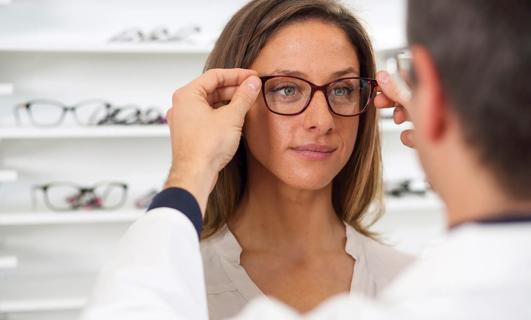
It usually takes anywhere from a couple of days to a few weeks to get fully adjusted
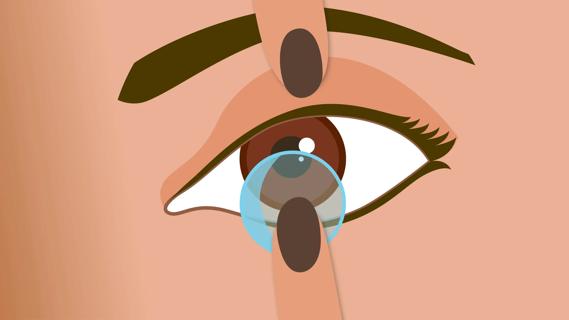
The lifespan of contact lenses depends on whether you have reusable or disposable lenses
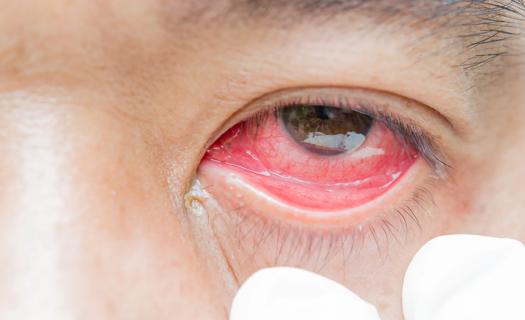
While rare, it is possible to have an allergic reaction to materials used in contact lenses or ingredients found in contact solution
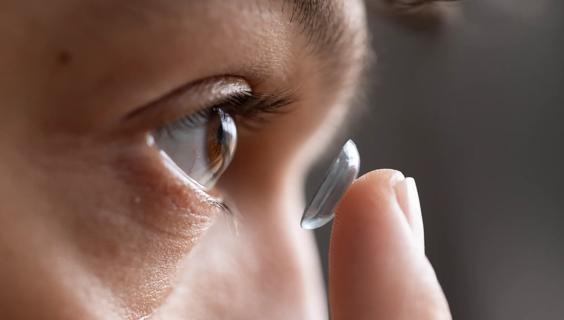
Keep your eyes healthy by not sleeping in your contacts, properly caring for your lenses and wearing eye protection when necessary
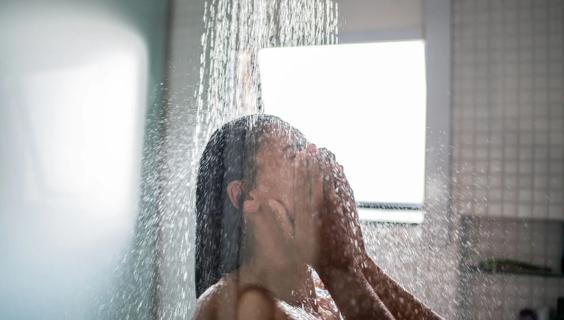
While it may seem harmless, showering — or even swimming or washing your face — with contacts in can cause sensitivity to light, irritation and even an infection
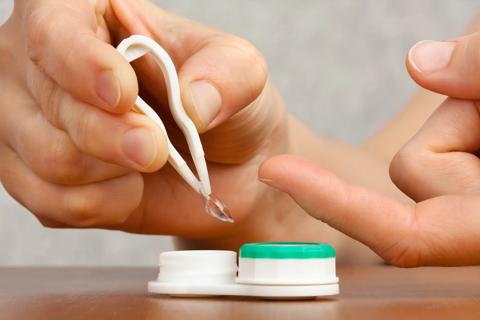
Even napping with contacts in can lead to eye infections, lens displacement and dry eyes
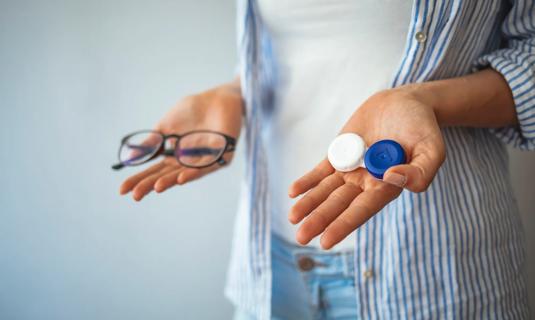
Both have pros and cons, but ultimately it’s a personal decision only you can make

Wearing a scarf, adjusting your outdoor activities and following your asthma treatment plan can help limit breathing problems
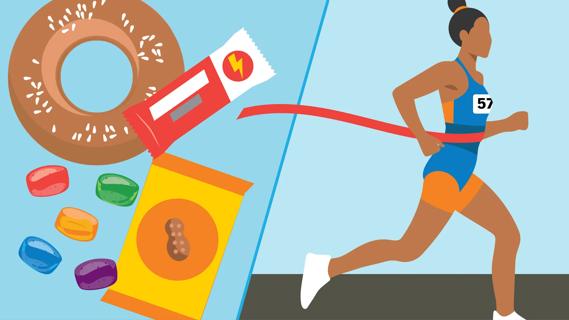
Your diet in the weeks, days and hours ahead of your race can power you to the finish line
When someone guilt trips you, they’re using emotionally manipulative behavior to try to get you to act a certain way











