Locations:





From fighting inflammation to boosting athletic performance, this colorful root veggie offers plenty of health benefits
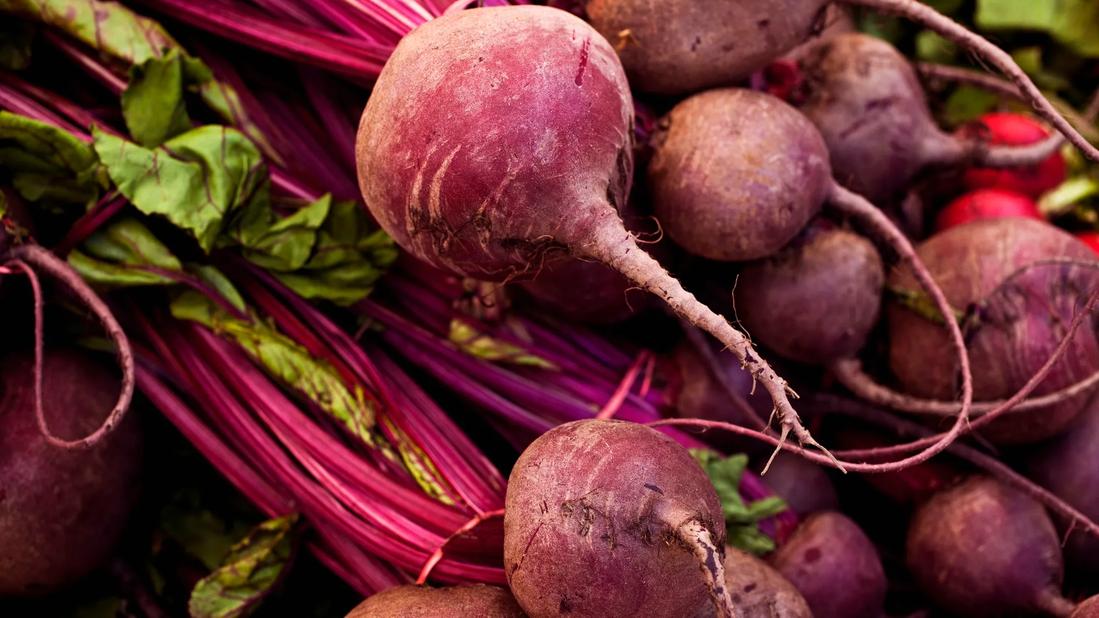
Image content: This image is available to view online.
View image online (https://assets.clevelandclinic.org/transform/6bd5820c-7c62-4814-bb00-e27d45afa66f/beets-182175899)
Whole, raw, fresh beets, with stems and roots
Their deep red color might stain your cutting board (and maybe your fingers), but beets can add plenty of nutrition to your plate. These earthy root vegetables are packed with fiber and plant compounds that offer a variety of health benefits.
Advertisement
Cleveland Clinic is a non-profit academic medical center. Advertising on our site helps support our mission. We do not endorse non-Cleveland Clinic products or services. Policy
This superfood is rich in nutrients, and is especially known for the nitrates it naturally contains, which help improve blood flow and support heart health.
Whether you roast them, blend them into smoothies or enjoy them in salads, registered dietitian Taylor Flannery, RD, LD, shares why beets deserve a spot on your menu.
Beets (also called beetroot) are root vegetables that grow underground. While deep red beets are the most common type, they also come in golden, white and striped varieties. Both the root and the leafy green tops are edible and provide important nutrients.
Beets have a naturally sweet, earthy flavor. You can eat them roasted, steamed, pickled, raw or juiced. Their vibrant color comes from natural pigments called betalains.
“Those pigments contain antioxidants and anti-inflammatory properties that help protect your cells,” Flannery says.
Beetroot may look simple, but it’s loaded with fiber, naturally occurring nitrates and other beneficial plant compounds. Together, these components help explain why beets have earned their healthy reputation.
“One of the best benefits of beets is that they provide a lot of nutrition without a lot of calories,” notes Flannery. “They’re an easy way to add more fiber and important nutrients to your meals.”
Advertisement
Let’s take a closer look.
If you’re looking for something that’s low in calories but high in nutrients, look no further than the humble beet. One-half cup of cooked beets contains approximately:
The beet root provides a variety of nutrients:
And beet greens (leaves) provide vitamins A, C and K.
Beets are packed with vitamins, minerals and antioxidants. Flannery explains how their unique combination of nutrients may help support heart health, digestion, athletic performance and more.
Beets are one of the richest natural sources of dietary nitrates. Your body converts these nitrates into nitric oxide, a compound that relaxes and widens your blood vessels, which helps improve blood flow throughout your body.
“That improved circulation is one of the reasons beets are so well known for heart health,” Flannery explains.
Regularly drinking beet juice may help lower blood pressure, though consuming whole beets is also a nutritious way to add nitrates to your eating plan.
The same nitrates that benefit your heart may also give your workouts a boost. By improving oxygen delivery to working muscles, beet juice may increase endurance and keep you going longer before you feel fatigued.
This beetroot benefit is especially noticeable during endurance activities, like running and cycling.
“If you’re active, beets can be one part of a well-balanced eating plan that supports your workouts,” Flannery says. “Even if you’re not a competitive athlete, they’re still a great choice.”
Beets are a good source of fiber, an important nutrient your body needs to function.
“Most Americans don’t get enough fiber,” Flannery says. “Adding foods like beets can help close that gap while supporting digestive health.”
Fiber plays a vital role in:
Eating enough fiber may also lower your risk of heart disease and support overall gut health.
Like many colorful fruits and vegetables, beets contain antioxidants that help protect your cells from everyday damage.
These plant compounds may also have anti-inflammatory effects, but scientists are still studying exactly how they affect long-term health.
For most people, beets are a healthy addition to a balanced eating plan. But there are a few things to keep in mind.
Beets contain naturally occurring compounds called oxalates. Most people don’t need to worry about them. But if you’ve had certain types of kidney stones, your healthcare provider may recommend eating fewer high-oxalate foods. That’s because oxalates can help those stones form.
Advertisement
And if you have low blood pressure or take medication to lower your blood pressure, talk to your provider before drinking large amounts of beet juice.
“Usually, there’s no reason to avoid beets,” Flannery clarifies. “If you enjoy them, they’re a great food to eat regularly.”
But don’t panic if your pee or poop turns pink or red after you’ve eaten a few of them. This harmless effect, called beeturia, is temporary and typically nothing to worry about.
There are plenty of easy ways to enjoy beets, whether you’re cooking from scratch or reaching for a convenient option. Flannery recommends trying them:
While all these options are nutritious, raw or lightly cooked beets tend to retain the most antioxidants and nitrates. But don’t let that stop you from enjoying them however you like.
If you’re looking for a natural performance boost, you can also drink beet juice before endurance exercise.
And remember the leafy green tops?
“Don’t forget about the greens,” Flannery encourages. “They’re every bit as nutritious as the root and are delicious sautéed with olive oil and garlic or added to soups. The olive oil also helps your body absorb the fat-soluble vitamins A and K found in the greens.”
Advertisement
Buying canned beets instead of fresh? Look for varieties with little or no added sodium.
Whether you buy them fresh, canned or pre-cooked, beets are a simple way to add more nutrition, color and variety to your meals.
“You don’t have to eat beets every day to benefit from them,” says Flannery. “Including them regularly as part of a colorful, balanced meal is a simple way to get more fiber, antioxidants and heart-healthy nutrients.”
Advertisement

Sign up for our Health Essentials emails for expert guidance on nutrition, fitness, sleep, skin care and more.
Learn more about our editorial process.
Advertisement
This East Asian and subtropical fruit is packed with delicious nutrition
Lean meats, fish, dairy and plant proteins can help you meet your protein needs without piling on saturated fat and sugar
This citrus fruit delivers vitamin C, fiber and other nutrients that can support your heart, immune system and skin
Protein is essential in your diet, but piling more onto your plate isn’t always better

Both are healthy choices, but wild-caught salmon offers a few more benefits

This vibrant purple yam offers vitamin C, fiber and antioxidants in every bite
These bright berries are packed with nutrients and antioxidants that may support your eyes, immune system and overall well-being

The general rule is 1.2 to 1.6 grams of protein per kilogram of body weight — but that may not be exactly right for you

Eyes typically increase to full size during two growth spurts in childhood
To start, opt for calorie-dense foods that are rich in protein and healthy fats

Pre-birth injections and monoclonal antibodies can help prevent serious complications
 Search










