Locations:





 Search
High in vitamins C and B6, plus beta-carotene, squash helps with heart and eye health
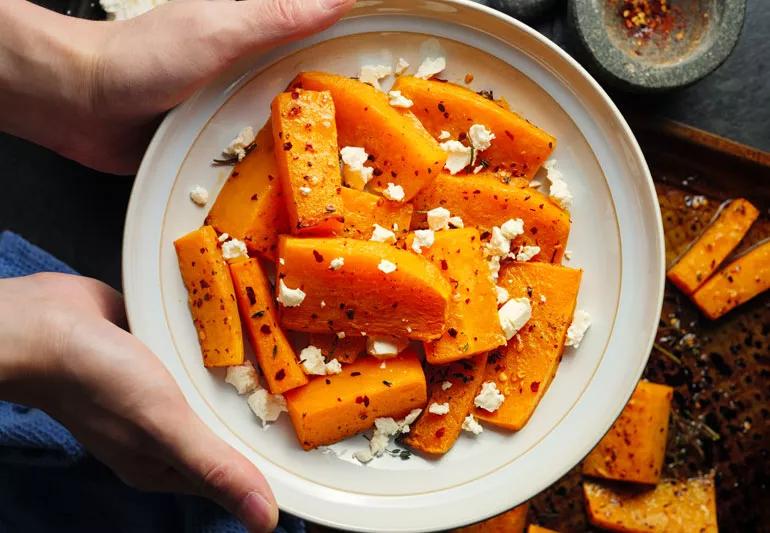
Image content: This image is available to view online.
View image online (https://assets.clevelandclinic.org/transform/b83a5b06-6214-4bbb-bfc3-49582a7535c3/eating-roasted-Butternut-Squash-1053348878-770x533-1_jpg)
Roasted butternut squash on white plate with feta cheese garnish.
Just like apples, the varieties of squash are seemingly endless — all with their own unique flavors, shapes and textures. But is squash good for you?
Advertisement
Cleveland Clinic is a non-profit academic medical center. Advertising on our site helps support our mission. We do not endorse non-Cleveland Clinic products or services. Policy
Registered dietitian Amber Sommer, RDN, LD, gives the 411 on the many health benefits of squash, along with how to make them a delicious addition to your diet.
Contrary to popular belief, squash is botanically classified as a fruit, not a vegetable. This is because it grows from flowers and has seeds. But squash brings the best of both produce worlds when it comes to health benefits. “They’re all relatively low in carbs, high in fiber and nutrient-dense,” says Sommer.
For example, winter and summer squash are low in calories and fat, and both are excellent sources of vitamin C. They also contain fiber, B vitamins and important minerals such as potassium and magnesium.
Sommer explains how these antioxidants, minerals and vitamins in squash benefit your health.
Squash contains antioxidants, which prevent cellular damage caused by free radicals. Antioxidants are a nutritional jackpot for your body — no risk and all reward.
“Your body creates free radicals naturally as it converts food into energy or in response to environmental factors like toxins in the air. Free radicals are missing an electron, so they’re constantly looking to steal them from other cells,” explains Sommer.
“Too many free radicals create oxidative stress. Over time, oxidative stress causes cell damage and lays the foundation for disease development. But antioxidants fight free radicals, preventing this damage and staving off chronic ailments like cancer and heart disease.”
Advertisement
Beta-carotene is an antioxidant found in squash. Your body transforms beta-carotene into the essential nutrient vitamin A. Studies have also linked beta-carotene to a lower risk of cancers, including:
Squash is rich in minerals, including calcium. Calcium helps build and maintain healthy bones and teeth. The vitamins A and C in squash also help keep your bones healthy. In fact, a 2017 review of studies linked vitamin A deficiency to an increased risk of bone fractures.
Squash is a great source of iron. Iron deficiency can cause a host of problems, including anemia. Getting enough iron doesn’t just help prevent and treat anemia. “Research also shows that iron has benefits during menstruation, such as reducing fatigue and improving athletic performance,” notes Sommer.
Squash contains magnesium, which is essential for more than 300 processes in your body. “Magnesium maintains your heart rhythm and helps make DNA. It can also help you stay energized,” says Sommer.
Potassium-rich foods like squash also help your body function by supporting your heart and can help lower blood pressure. “And research has linked the beta-carotene in squash with heart disease prevention,” she adds.
Squash is a smorgasbord of powerhouse vitamins, including vitamins A and C. Studies show that vitamin A can help protect your eyes and plays a role in preventing night blindness and age-related macular degeneration.
In addition to being an immune health superhero and powerful antioxidant, vitamin C helps your eyes, too. Like vitamin A, it prevents and slows macular degeneration and may also help prevent cataracts.
Studies show that vitamin C and beta-carotene are good for skin health. Vitamin C is also connected with wrinkle prevention and wound healing.
Despite being #teamfruit, the U.S. Department of Agriculture (USDA) lumps squash in with veggies based on their nutrition content. According to MyPlate, the USDA’s nutrition guide for Americans, you should aim for two to four servings of vegetables daily. Where you fall in that range depends on your sex, age, activity level, height and weight. The USDA considers 1 cup of cubed, sliced or diced winter or summer squash to be one serving of vegetables.
“Nutritionally, butternut and acorn squash are arguably the overall MVPs, but it’s by the slimmest, most subjective of margins,” says Sommer. “However, don’t worry about choosing the healthiest squash. Instead, choose the ones that taste best to you and try to eat a variety to get the most benefit from eating squash.”
Advertisement
Try summer squash raw or spiraled into “zoodles” as a healthy substitution for noodles. They’re also yummy sautéed or roasted with olive oil. Winter squash is delicious (and sugary sweet like a sweet potato) when roasted. And both are great additions to soups and pastas.
Whether you add it to your favorite recipe or eat squash on its own, your body will thank you.
Advertisement

Sign up for our Health Essentials emails for expert guidance on nutrition, fitness, sleep, skin care and more.
Learn more about our editorial process.
Advertisement
Packed with vitamins and nutrients, watermelon can be enjoyed all year ’round

With a sweet, tangy flavor, this tropical fruit is versatile, nutrient-rich and full of antioxidants
Nondairy milks like soy, oat and almond can offer many benefits, but the key to choosing one depends on your nutritional needs and taste preferences
These versatile little fruits are full of powerful antioxidants that can help fight cell damage, manage cholesterol, boost body functions and more
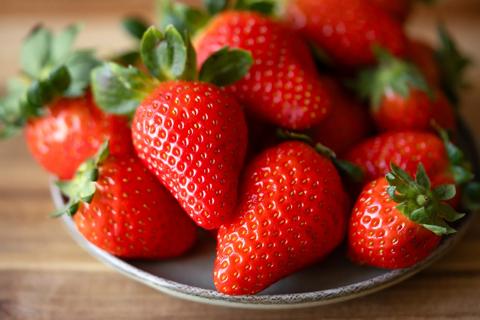
These sweet red berries benefit your memory, boost your immune system and keep your heart healthy
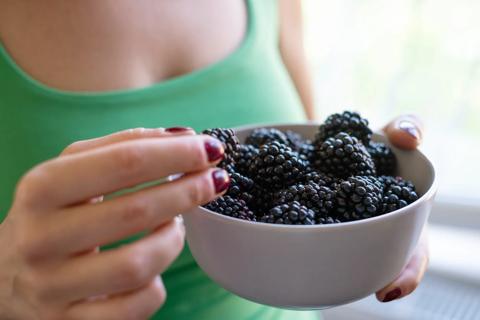
These tasty little fruits can help fight inflammation, improve digestion and stabilize blood sugar
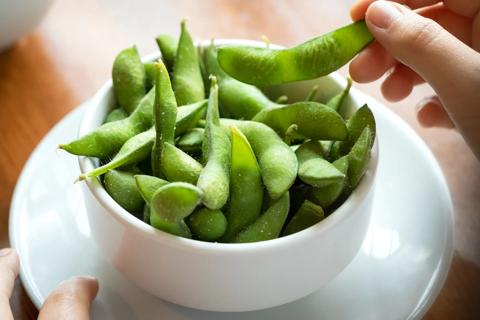
This legume is a good source of plant protein and fiber
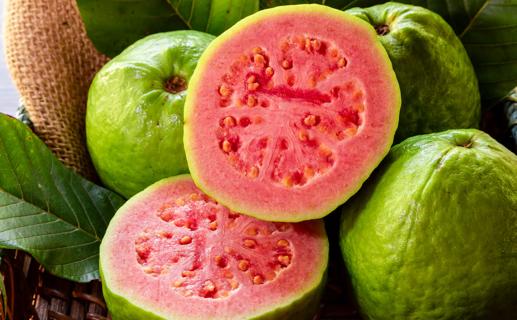
The superfood is high in vitamin C and can help improve your digestion and boost your immune system

Blue light-filtering glasses may help some people sleep better, but they don’t prevent eye strain and aren’t needed for eye health

Avoiding outside messaging may be difficult, but you can change how you think about T2D

The term refers to how long it takes you to fall asleep, which can be a key factor in overall sleep quality











