Locations:





 Search
Injections of Botox can significantly reduce sweating for up to a year, especially in your armpits
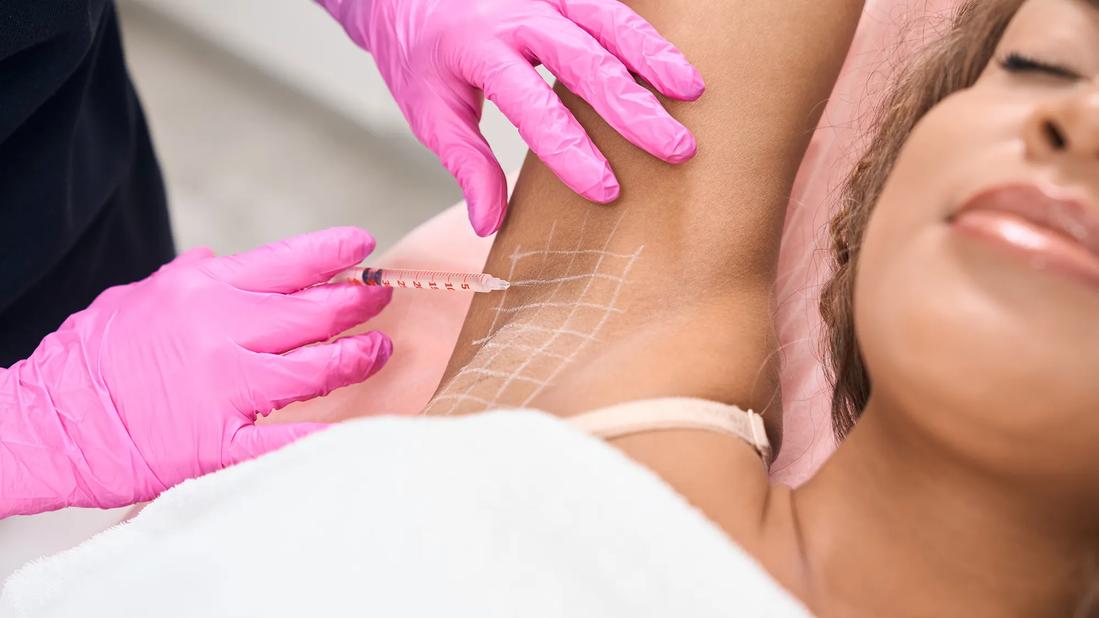
Image content: This image is available to view online.
View image online (https://assets.clevelandclinic.org/transform/ba0ce7aa-38ea-4a49-835d-fef8976cee34/botox-sweating-1409471190)
Person receiving Botox injections in their armpit
Sweating is natural, but it can be a major annoyance if you’re constantly dealing with swampy underarms and that just-left-the-gym feeling. And nobody wants to spend their day worrying about pit stains on their shirt.
Advertisement
Cleveland Clinic is a non-profit academic medical center. Advertising on our site helps support our mission. We do not endorse non-Cleveland Clinic products or services. Policy
That’s where Botox® injections may be an option. Because while most people know Botox for smoothing wrinkles, it can also be used to help reduce sweating in certain areas of the body.
How does it work? We asked cosmetic surgeon James Zins, MD, to break it down.
Botox (botulinum toxin) helps decrease sweating by blocking signals between your nerves and sweat glands. Normally, these nerves release a chemical called acetylcholine, which tells the glands to make sweat.
But Botox halts the chemical release so sweat glands in the treated area don’t get as drippy. The treatment can reduce underarm sweating by up to 87%, according to the International Hyperhidrosis Society.
“Basically, it keeps sweat glands from getting the message to turn on,” explains Dr. Zins.
The U.S. Food and Drug Administration (FDA) approves Botox to treat excessive sweating (hyperhidrosis) of the underarms. It’s often considered when other treatments — like prescription-strength antiperspirants — fail to limit sweating.
But Botox is also used to treat other abnormally sweaty areas of the body. That’s considered an “off-label” use, meaning it’s prescribed for a use other than its approved purpose.
These areas include:
Advertisement
“Most Botox treatments done for sweating are to the underarms,” says Dr. Zins. “The injections are usually less painful than in the other areas, and it carries less risk of side effects, too.”
The underarms also get special attention because soaked armpits can be very noticeable and cause odor issues, making excessive sweating more bothersome in your daily life.
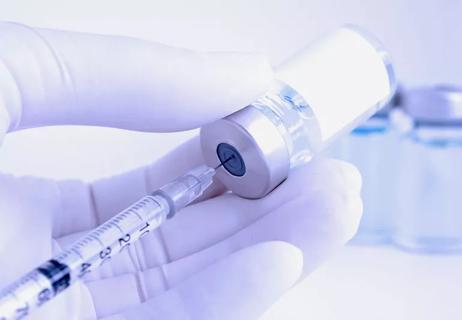
Botox treatment for sweating involves small injections made with an extremely small needle during an office visit. Each poke deposits a small amount of Botox just under the skin’s surface. Injections are spread around the targeted treatment area.
A procedure to the armpit might require 15 to 25 injections. Hands and feet often require more because the areas are larger and the sweat glands are more spread out. Facial treatments often require fewer injections.
The entire process is usually completed within 30 minutes.
Some people don’t even feel the injections. “But if they do, they say it’s more uncomfortable than truly painful,” shares Dr. Zins. “It’s more like a quick pinch or sting, similar to a rubber band snap.”
Treatments in the palms or soles of the feet tend to hurt a bit more because those areas are more sensitive.
Doctors can sometimes use ice or numbing cream to make the procedure more comfortable.
You should see an improvement in sweating within 24 hours of getting treatment, says Dr. Zins. It takes about a week or two for the full moisture-busting effects to take hold.
The dryness typically lasts about six months, with some studies noting reduced sweating for up to a year after the procedure. Treatment to the underarms usually lasts longer than treatments to other areas.
“Botox treatment can have a significant effect on sweating — and that can make a huge difference when it comes to quality-of-life issues,” Dr. Zins encourages. “It really does a lot for people’s comfort and confidence.”
So, should you pursue Botox treatment to keep your shirts drier? In the end, it’s a personal decision. But if you’re considering Botox treatment to cut down on perspiration, here’s a quick rundown of the potential benefits and drawbacks.
Benefits of Botox for sweating
Advertisement
Concerns about Botox for sweating
If you’re interested in Botox treatment for excessive sweating, start a conversation with a healthcare provider. They can explain your options and offer suggestions to address your situation.
If Botox seems like a good fit for you, they can explain the treatment process, expected results, possible side effects, cost and whether insurance might cover it.
“If you’re bothered by how much you sweat, a Botox treatment may help you feel less distracted during the day,” says Dr. Zins. “The goal isn’t just less sweat. It’s to give you the confidence that comes with greater control over the situation.”
Advertisement

Sign up for our Health Essentials emails for expert guidance on nutrition, fitness, sleep, skin care and more.
Learn more about our editorial process.
Advertisement
The treatments work in similar ways, but there are some slight differences that come down to your preference and goals
Most recommended precautions center around minimizing bruising or swelling
With repeat injections over time, you may be able to slow the development of new wrinkles
The cosmetic injection may help train your muscles out of frowning, but there’s no hard data to say for sure
One reduces wrinkles by relaxing muscles; the other adds volume and smooths skin
They both treat fine lines and wrinkles, but how they’re made and how long results last differ
The big difference with this procedure is the smaller dosing
It’s an FDA-approved treatment for urinary incontinence and overactive bladder

Your period may occasionally line up with someone else’s, but science suggests coincidence is responsible — not a mysterious biological connection

Most penis-enlargement products, devices and procedures deliver only modest (if any) gains

Make meals with lean proteins, non-starchy vegetables and complex carbohydrates











