Locations:





Some types of ice cream may be healthier, but that doesn’t make them a healthy food

Image content: This image is available to view online.
View image online (https://assets.clevelandclinic.org/transform/4cd2b76d-ce1b-4825-b643-ade22c5f2751/healthyIceCream-528169795-770x533-1_jpg)
Scoops of vanilla ice cream on marbled plates with strawberries and syrup.
The ice cream freezer at the grocery store feels different these days. Sure, there are still decadent ooey-gooey options to consider. But there are also frozen treats that seem almost … well, healthy.
Advertisement
Cleveland Clinic is a non-profit academic medical center. Advertising on our site helps support our mission. We do not endorse non-Cleveland Clinic products or services. Policy
The better-for-you ice cream market is booming with low-sugar, high-protein and even dairy-free varieties to satisfy cravings. But are any of these “healthy” ice creams actually good for you? Or can they help you lose weight?
Let’s get the scoop from registered dietitian Julia Zumpano, RD, LD.
Ice cream is not exactly a health food in any form — but that doesn’t mean it’s always unhealthy, either, says Zumpano. (How’s that for covering all the bases?)
Let’s start with the obvious: Nobody’s confusing ice cream with healthy menu choices such as fruits, vegetables and whole grains. Eating a bowl of ice cream every day won’t improve your health no matter what type you eat.
However, if you choose an ice cream made from more simple, natural ingredients — more on that in a bit — the dish becomes a bit less unhealthy.
But that still doesn’t move healthier ice creams into the “health food” category. (Sorry!)
Video content: This video is available to watch online.
View video online (https://cdnapisec.kaltura.com/p/2207941/sp/220794100/playManifest/entryId/1_97pwjhyg/flavorId/1_5f3sgelj/format/url/protocol/https/a.mp4)
Premium or regular ice creams are known for being heavy hitters when it comes to calories, saturated fat and sugar content. It’s the dietary price paid for the treat’s creamy, sweet goodness.
But there are options in the freezer section for those looking to lower that cost, whether it’s for weight-watching reasons or to meet specific dietary needs.
Advertisement
Let’s peek at a few of them with Zumpano to see what you’re getting.
Manufacturers don’t use magic to lower the calories, fat and sugar in ice cream. Instead, they often rely on artificial sweeteners (such as sugar alcohols) to deliver that expected oh-so-yummy taste.
But there’s growing concern about the health effects of artificial sweeteners such as erythritol, a common sugar substitute that’s been linked to increased risk for heart attack and stroke.
Artificial sweeteners also may cause gastrointestinal distress, as your body can’t fully digest them. That’s a reality that can lead to tummy troubles such as bloating, gas and diarrhea depending upon your sensitivity.
Bottom line? “There’s evidence that artificial sweeteners aren’t good for us, especially in larger amounts,” says Zumpano.
And remember, too, that these lower-calorie options still have calories. In many cases, the calorie count isn’t even that much lower per serving than regular ice cream. So, be mindful of serving sizes.
Boosting protein content has become a diet obsession for many people in recent years. Ice cream manufacturers responded with more protein-rich products. The added protein does offer some benefits, notes Zumpano.
“It’s going to help from the standpoint of stabilizing your blood sugar, since protein slows down the rate of glucose entering your bloodstream,” she explains.
Food with more protein also hits your belly a little harder, which can make you feel full more quickly. Consider it a natural way to limit the size of ice cream sundaes. (“The hope is you consume less if you feel full,” she adds.)
But the perks of added-protein ice cream don’t mean it should be a diet staple.
“If you’re going to eat ice cream, you can get a little more out of the treat by choosing one with protein,” says Zumpano. “But I wouldn’t suggest relying on ice cream as a main protein source.”
Like protein-enhanced ice cream, varieties with added probiotics emerged to meet consumer demands for “healthier” food. There are potential benefits, too, given all the good done by probiotics.
But don’t count on ice cream as a primary source for these body-boosting microbes, cautions Zumpano. “You’d be better off eating yogurt” or other foods with naturally occurring probiotics, she says.
In general, dairy-free ice cream made with ingredients such as coconut milk, almond milk or soy milk contains a similar amount of calories, fat and sugar as milk-based ice cream.
Advertisement
But dairy-free ice cream makes the treat tolerable for those who are lactose intolerant or vegan or who avoid dairy for other reasons.
We all scream for ice cream, right? So, when you do, try these four tips to enjoy the treat while also giving yourself kudos for making healthy choices:
No matter how it’s made, ice cream isn’t crossing into the health food category — and that’s perfectly fine.
“Accept ice cream for what it is, which is a treat and indulgence,” says Zumpano. “It’s OK for some foods to provide us with pleasure — and it’s important to take in those moments with gratitude and joy.”
Advertisement

Sign up for our Health Essentials emails for expert guidance on nutrition, fitness, sleep, skin care and more.
Learn more about our editorial process.
Advertisement

This famously funky-smelling fruit is packed with fiber, vitamins and minerals
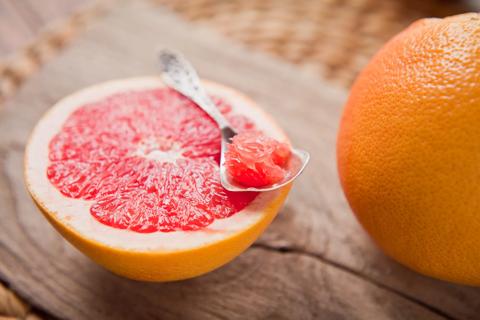
This citrus fruit delivers vitamin C, fiber and other nutrients that can support your heart, immune system and skin
Protein is essential in your diet, but piling more onto your plate isn’t always better
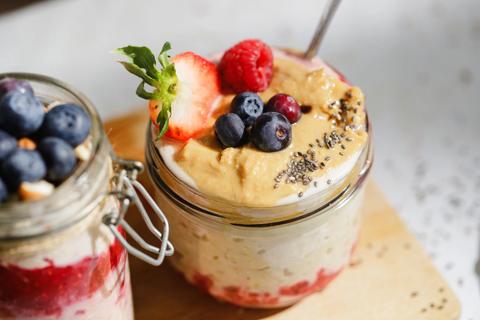
Eating about 20 to 30 grams of protein for your first meal can help you feel fuller longer and fend off cravings

The best choices are high in omega-3s and protein and low in mercury

This vibrant purple yam offers vitamin C, fiber and antioxidants in every bite

Look for foods with a variety of nutrients that last a long time and work in multiple meals — like legumes, whole grains and frozen or canned produce

The traditional hot dog isn’t exactly a nutritious choice, but that doesn’t mean you can’t enjoy one here and there

Hormonal changes, a slower metabolism and muscle loss can make weight gain more common around menopause — healthy habits can help you manage it

Life-threatening complications include sepsis, stroke, pneumonia and more
Fruity-smelling breath can happen when your body burns fat for energy, and in some cases, can signal a medical emergency
 Search










