Locations:





The short answer from a medical weight management expert

Image content: This image is available to view online.
View image online (https://assets.clevelandclinic.org/transform/af42aa1e-cec4-4b48-b78b-acf18de8b608/sitUpsBellyFat-1176156246-770x533-1_jpg)
woman performing sit ups
A: No. Sit ups are great for tightening your core. They strengthen and tone your rectus abdominus, transverse abdominus and oblique abdominal muscles as well as your neck muscles. The American College of Sports Medicine recommends three sets of 8 to 12 repetitions three times per week.
Advertisement
Cleveland Clinic is a non-profit academic medical center. Advertising on our site helps support our mission. We do not endorse non-Cleveland Clinic products or services. Policy
To burn belly fat, you need 45 to 60 minutes of high-intensity cardiovascular activity (running, playing soccer or basketball, jumping rope, power-walking, etc.) on most days of the week. You also need to reduce your intake of processed foods, fast foods and alcohol.
But just because sit ups won’t get rid of your belly fat doesn’t mean you should skip them! Sit ups are essential for strengthening your core — something that’s obvious. But your core is responsible for so much more than those classic “six pack” abs many strive for. A strong core can reduce back pain, improve balance and increase your flexibility. Core muscles also support your hips and pelvis. Finally, a strong core will help you build good posture.
— Medical weight management expert Karen Cooper, DO
Advertisement

Sign up for our Health Essentials emails for expert guidance on nutrition, fitness, sleep, skin care and more.
Learn more about our editorial process.
Advertisement
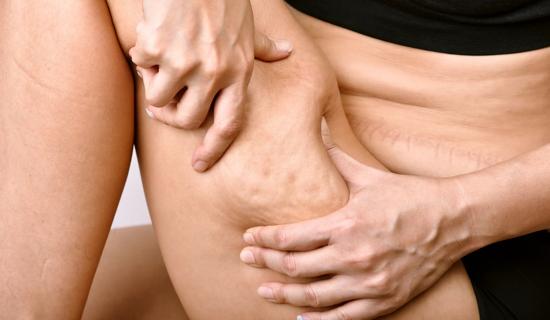
A healthy diet, regular exercise and in-office treatments may help minimize the dimply appearance
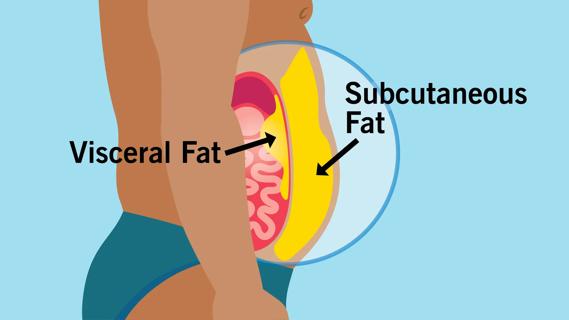
Visceral fat surrounds your organs and can be more detrimental to your health

Having a BMI in the healthy range doesn’t mean you’re safe from health conditions often associated with obesity

Weight gain is natural as we age — but it can be cause for concern
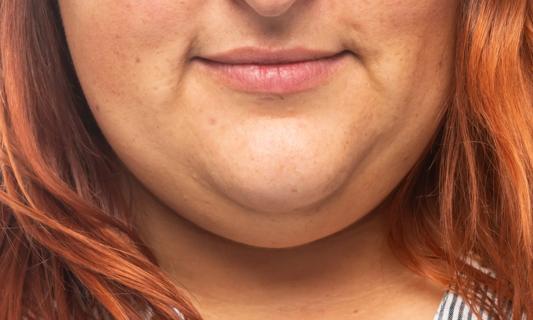
Seeing double (chins) when taking selfies? From exercises to surgery, you can reduce or eliminate chin fat, but there’s no overnight solution
Discover why one kind of fat can be fatal
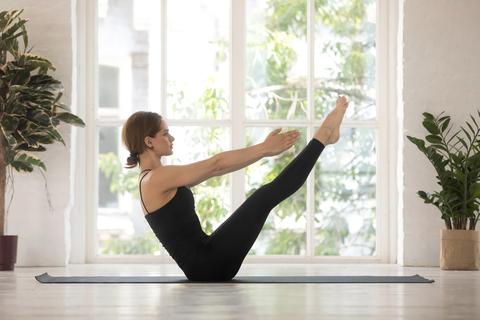
Engage your core with poses like plank, boat, chair and more
This experimental peptide isn’t approved to treat or prevent any health condition

Managing your weight through physical activity may lower your chances of getting this common cancer

It typically starts in October and winds down in early spring, with cases at their highest in the middle of winter

Anxiety disorders, health conditions and past trauma can make driving nerve-wracking — help is available
 Search










