Locations:





Stretching won't increase your height, but it can help you stand taller
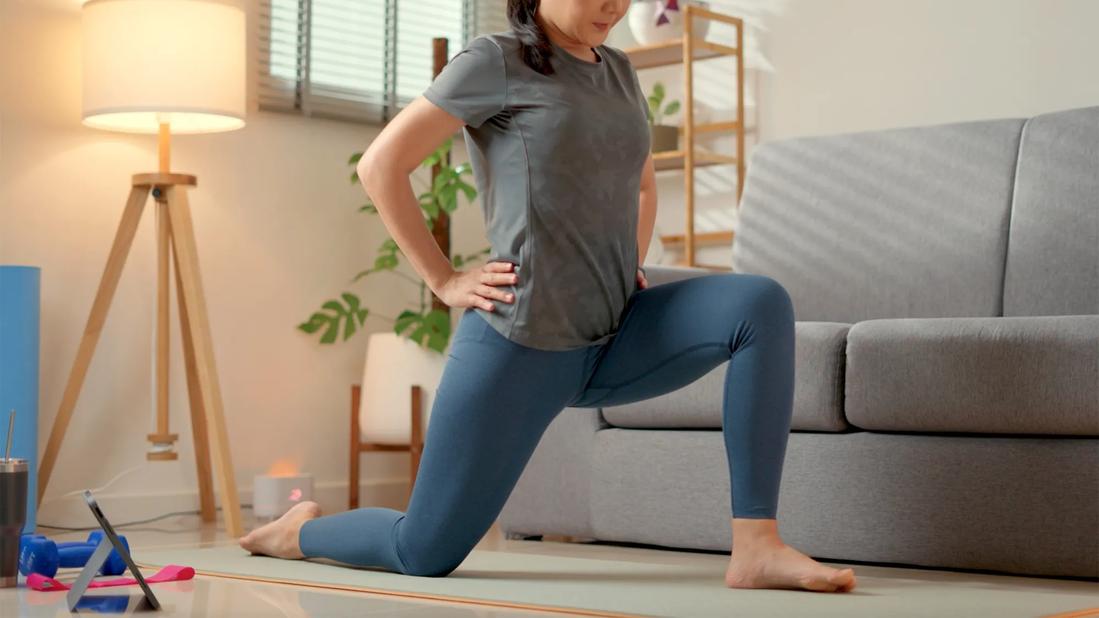
Image content: This image is available to view online.
View image online (https://assets.clevelandclinic.org/transform/427c5470-210e-47d2-abc4-961e3cbc44a1/hip-flexor-stretch-1453582245)
Woman doing a yoga stretch in their living room
Having trouble reaching the top shelf or keeping your head above water, and want to do something about it?
Advertisement
Cleveland Clinic is a non-profit academic medical center. Advertising on our site helps support our mission. We do not endorse non-Cleveland Clinic products or services. Policy
Stretching won’t technically get you any closer to the shelf or help you stand above water in the pool, but it can help you feel taller if you work on straightening your posture.
Sports medicine specialist Lauren Wichman, MD, shares some beneficial exercises that can help straighten your back and keep your head held high.
Stretching may not add any actual inches to your height, but it can certainly help you feel better in your body. It can even affect how tall you appear.
“Improving your posture can help you look taller,” says Dr. Wichman. “Part of that process is relaxing tight muscles that may cause you to hunch or place extra strain on your neck and back.”
Posture is a tricky thing to correct, especially if you’ve spent years hunched over a desk or slouching over your phone.
“Your body can fall into a pattern of being accustomed to these postures, which puts a lot of strain on your neck, back and shoulders,” explains Dr. Wichman. “But we can train ourselves to have better posture.”
Straighten things out with the following stretches:
Advertisement
Children have growth plates in their legs, arms, hands and feet that are continually growing new bone. These plates allow your bones to get longer and wider. They have a direct effect on your size and height.
As you reach puberty, those growth plates close off and stop creating new bone. Girls tend to reach their max height by age 14 or 15, while boys tend to reach their max height between 16 and 18.
“Genetics play a big role in how your growth plates work and how fast your bone develops,” says Dr. Wichman. “If you injure a growth plate, that can sometimes affect growth. But for the most part, genetics play a pretty significant role.”
Reaching your full height potential also depends on:
Advertisement
If you keep sliding back into an uncomfortable posture, keep stretching and strengthening those muscles in your neck and back. When you find yourself falling back into the old habit of slouching, remind yourself to sit or stand straight. It’ll take some time, but eventually, you might feel taller just by paying attention to how you’re holding yourself.
“Daily check-ins are really helpful when making a habit of proper posture,” says Dr. Wichman. “Creating a stretching routine and doing strength training can also help you train the muscles in your neck and back so you can slouch less and less over time and feel more confident about how you’re carrying yourself.”
Advertisement

Sign up for our Health Essentials emails for expert guidance on nutrition, fitness, sleep, skin care and more.
Learn more about our editorial process.
Advertisement
Shoulder rolls, hamstring stretches and calf exercises can all improve flexibility and endurance

This satisfying, involuntary act of yawning and stretching helps release tight muscles
Relieve a tight, achy and aggravated IT band, as well as hip and knee pain, with these at-home exercises

While one focuses on stretching through movement, the other requires holding poses for 30 to 90 seconds — both can have a place in your fitness routine
Stretch before and after your workouts for maximum benefits, but your pre-workout stretches should be different from your post-workout stretches
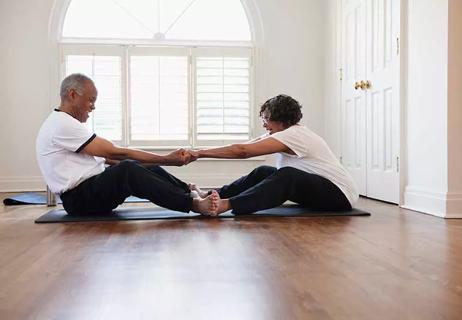
Having a partner help you stretch can prevent injury and lead to an increased range of motion

Simply contracting certain muscles provides a good stretch to other areas of your body
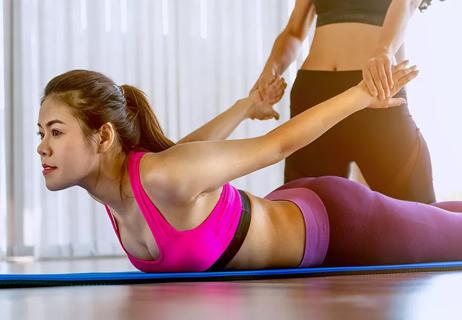
Relax into this form of stretching while a prop or partner assists you

Managing your weight through physical activity may lower your chances of getting this common cancer

It typically starts in October and winds down in early spring, with cases at their highest in the middle of winter

Anxiety disorders, health conditions and past trauma can make driving nerve-wracking — help is available
 Search










