Locations:





The short answer from a gastroenterologist
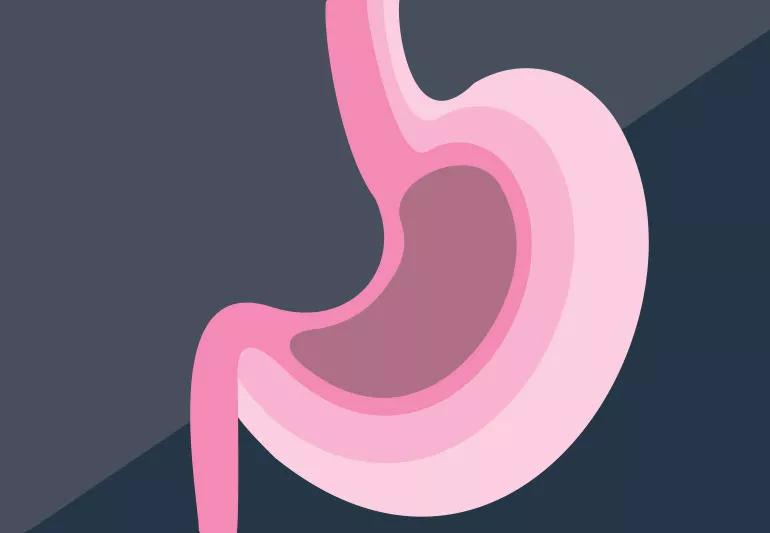
Image content: This image is available to view online.
View image online (https://assets.clevelandclinic.org/transform/6a5410cd-789c-47a3-bc54-707078a73f24/stomachSmallerDiet-873833724-770x533-1_jpg)
Stomach size feels smaller
A: Not exactly, but here’s why you might feel full. Our stomachs have a reflex called receptive relaxation: As food enters your stomach, the muscles relax and expand out to accommodate more volume. In fact, your stomach can expand up to five times its volume after a meal as compared to before.
Advertisement
Cleveland Clinic is a non-profit academic medical center. Advertising on our site helps support our mission. We do not endorse non-Cleveland Clinic products or services. Policy
Some studies suggest that neurons surrounding and within our stomach wall actually control receptive relaxation. After losing weight, they may cause our stomachs to have less elasticity. This is also related to hormonal changes that affect our feelings of hunger and thirst, namely changes in the hunger hormones ghrelin and leptin.
All these factors can control whether you feel hungry or full, but none of them are related to any changes in the size of your stomach (even though it might feel like it).
—Gastroenterologist Maged Rizk, MD
Advertisement

Sign up for our Health Essentials emails for expert guidance on nutrition, fitness, sleep, skin care and more.
Learn more about our editorial process.
Advertisement
Some still turn to a 500-calorie deficit to lose weight, but that approach isn’t always effective or healthy
A consistent walking program is an effective way to drop pounds and lose body fat

Successful weight loss takes a long-term commitment — build a healthy lifestyle you can stick with
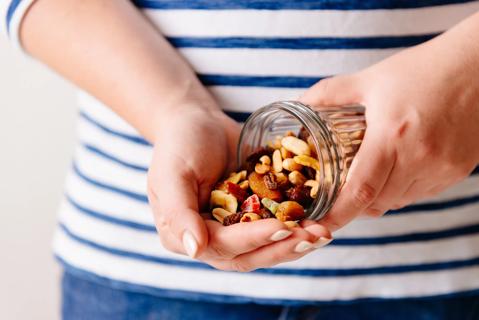
Opt for snacks that have protein, fiber and healthy fats to help prevent cravings and keep you feeling full and satisfied

Fat exits your body in your breath, pee and sweat
It can, but it isn’t sustainable, lacks nutritional balance and you’ll likely regain weight as soon as you start eating adult foods again
Consuming all of your calories in an eight- to 12-hour timeframe may help you drop pounds

Foods high in protein and fiber can help suppress your appetite, as can exercise, sleep and other healthy habits

Managing your weight through physical activity may lower your chances of getting this common cancer

It typically starts in October and winds down in early spring, with cases at their highest in the middle of winter

Anxiety disorders, health conditions and past trauma can make driving nerve-wracking — help is available
 Search










