Locations:





Both aim to improve quality of life — but they differ in timing, goals and the type of support you receive
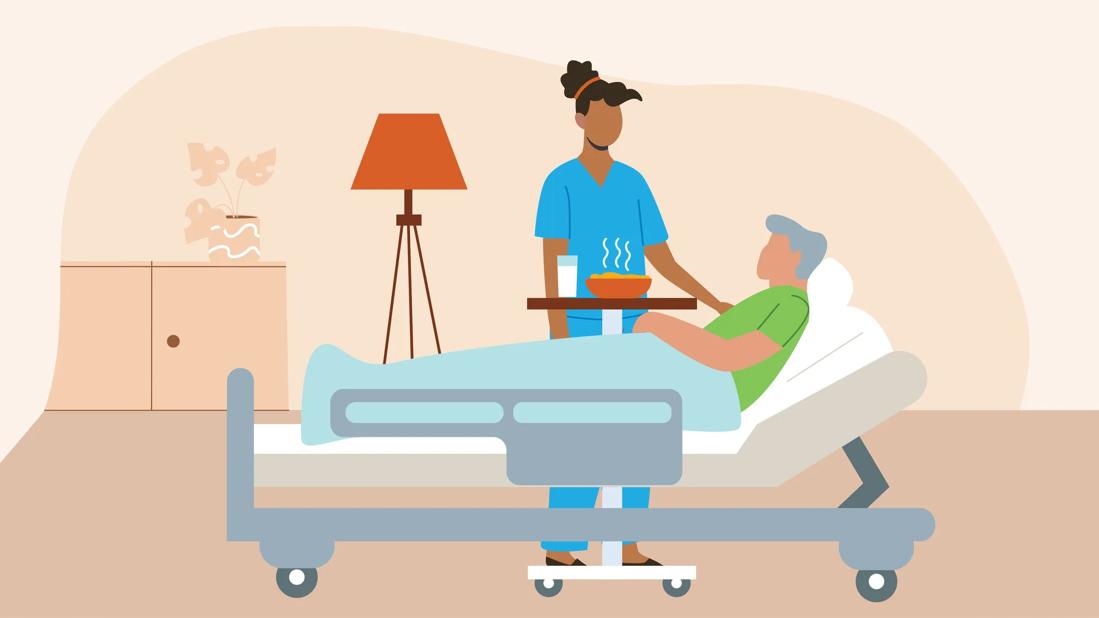
Image content: This image is available to view online.
View image online (https://assets.clevelandclinic.org/transform/bef846fa-da5a-4235-b5f6-1fe003ee8a9b/nurse-patient-caring-1386811521)
Healthcare provider attending to a patient in a hospital bed
Living with a serious illness can feel overwhelming and isolating. You’re trying to feel your best and live life to the fullest, while coming to terms with all that has changed and wrapping your head around your options for the future.
Advertisement
Cleveland Clinic is a non-profit academic medical center. Advertising on our site helps support our mission. We do not endorse non-Cleveland Clinic products or services. Policy
That’s often when terms like “palliative care” and “hospice” come up. And they can stop you right in your tracks if you don’t quite know what they mean.
Palliative medicine physician Kyle Neale, DO, explains what palliative care and hospice actually mean.
Palliative care and hospice care are closely related, and they share an important goal: To help you feel as comfortable and supported as possible.
But they’re not the same thing.
“Both palliative care and hospice provide care with an aim to improve quality of life,” Dr. Neale says. “The difference is in the overall approach to your care.”
Both types of care focus on easing the burden of serious illness. But they do that in different ways and at different points in your journey.
Here’s a quick look at the similarities and differences:
Dr. Neale shares more, so you can make more informed decisions about your care — now or in the future.
Palliative care is a kind of specialized medical care for people living with a serious illness, including conditions that aren’t terminal.
What qualifies as a serious illness? The U.S. Center for the Advancement of Palliative Care (CAPC) defines serious illness in this way, as originally put forth by geriatrician Amy Kelly, MD: “Serious illness is a health condition that carries a high risk of mortality and either negatively impacts a person’s daily functioning or quality of life or excessively strains their caregivers.”
Advertisement
The goal is to improve your quality of life. Your care may focus on:
Palliative support can also extend to your caregivers and loved ones.
You can start palliative care at any stage of an illness, including while you’re receiving treatments meant to cure or manage your condition.
“You can begin palliative care for a serious illness while also receiving curative or life-prolonging treatment,” Dr. Neale explains. “It works in tandem with your other care as an added layer of support.”
That means it’s an option while you’re undergoing treatments, like chemotherapy or managing a chronic condition, like heart failure.
“Palliative care specialists work alongside your other providers to help you feel as well as possible,” he adds.
Palliative care is typically provided by a team of specialists from a range of disciplines. That may include:
Hospice is end-of-life care in adults. It can help you when treatments aimed at curing or slowing an illness are no longer beneficial. Or when you decide you no longer want those treatments. Children with serious illnesses can receive hospice support while undergoing treatment.
Hospice is a kind of support that can see adults through their final days, weeks or months.
As Dr. Neale says, “Hospice care is comfort care. The goal of hospice is to support you and your family at the end of your life.”
In hospice care, the focus shifts from managing your condition to ensuring your comfort, maintaining your dignity and carrying out your wishes. It might look like:
Palliative care and hospice care both focus on supporting and promoting your quality of life. And they can make a world of difference when you’re facing a serious illness.
“Just because you or your loved one are dealing with a chronic illness doesn’t mean you have to live with discomfort, pain or anxiety,” Dr. Neale emphasizes. “Relieving these symptoms are what palliative and hospice care do best.”
Advertisement
If your needs change, your care can change with you. Some people receive palliative care for years. And if you’re receiving hospice services, you can change your mind. For example, if new treatments or medical trials become available, you can choose to return to curative treatment.
The bottom line? Facing a serious or life-threatening condition can be emotionally and physically grueling. But it’s not a journey anyone should have to face alone.
“If you have a need for it, don’t hesitate to seek care from a palliative care specialist — when it’s time, from hospice,” Dr. Neale encourages. “You deserve quality care at every point in your life.”
Advertisement

Sign up for our Health Essentials emails for expert guidance on nutrition, fitness, sleep, skin care and more.
Learn more about our editorial process.
Advertisement

Sometimes, you need help navigating your grief and the dying process

It’s best to be honest and straightforward while remaining age-appropriate

Calling 911 or emergency services should always be your first step
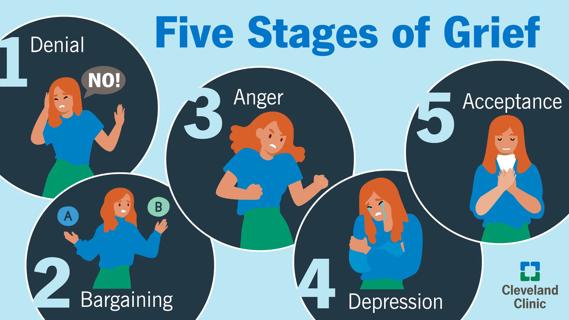
The five phases of loss are denial, bargaining, anger, depression and acceptance — but they don’t always happen in that order

Getting close to their care team, investing in accessibility and implementing safe sleeping practices are just a few ways to support your child’s growth and development

Your child’s care team, nonprofit organizations, patient groups and more are here to support you

Use a gentle, nonjudgmental tone, focus on prevention and reassure them that age-related memory issues can have a variety of causes
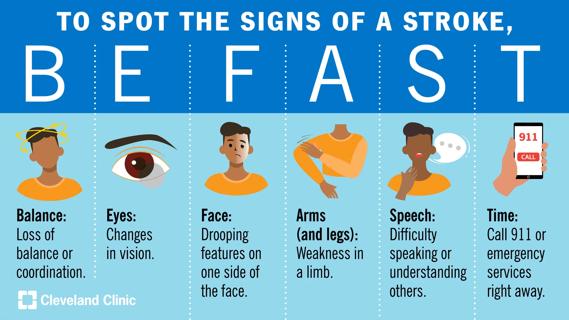
Seek immediate medical attention for sudden loss of balance, vision changes, slurring, facial droopiness and limb weakness

Managing your weight through physical activity may lower your chances of getting this common cancer

It typically starts in October and winds down in early spring, with cases at their highest in the middle of winter

Anxiety disorders, health conditions and past trauma can make driving nerve-wracking — help is available
 Search










