Locations:





Preventing frostbite (and frostnip)
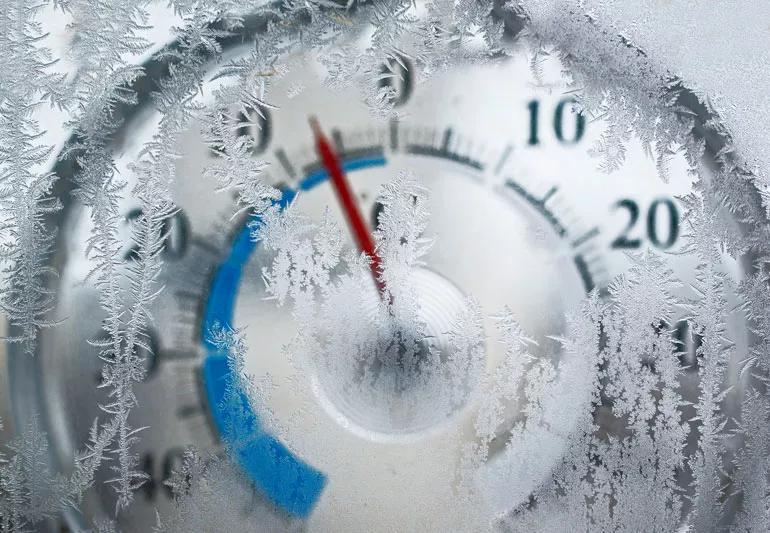
Image content: This image is available to view online.
View image online (https://assets.clevelandclinic.org/transform/52bf704e-ad5a-45cf-a5fd-518ebdc081df/frostbite-157565659-770x533-1_jpg)
Thermometer showing below zero temperatures
When outside temperatures plummet to sub-zero and wind chills dip into negative numbers, you might be surprised how quickly frostbite can happen.
Advertisement
Cleveland Clinic is a non-profit academic medical center. Advertising on our site helps support our mission. We do not endorse non-Cleveland Clinic products or services. Policy
Emergency room physician Stephen Meldon, MD, says frostbite can occur in as little as in 10 minutes when skin is exposed to temps that are -10 F.
“If people don’t realize how cold it is, frostbite can come faster than they expect,” Dr. Meldon says. “When the temperature is below zero, it is easy to miscalculate how long it is safe to be outside because frostbite can happen so quickly.”
This is why it’s important, Dr. Meldon says, to dress defensively in frigid weather. Now more than ever is the time to rummage through your coat closet and find those gloves, scarves and even potentially that ski mask.
Make sure to cover as much skin as possible and monitor your exposed skin for frostbite, says.
“The medical risk and danger really is exposure,” Dr. Meldon says. “So cover up.”
Frostnip is an early stage of frostbite and it’s actually the most common. Frostnip involves the surface of the skin, usually on the nose, ears, cheeks, fingers and toes. Symptoms are flushed or reddened skin that might be accompanied by a tingling or burning sensation.
Dr. Meldon recommends that you go indoors at the first sign of skin redness or pain to avoid developing full-blown frostbite.
Frostbite is more serious, but it can be reversed without lasting damage if it’s identified early, he says. With frostbite, your skin becomes firm, white and waxy while the tissue beneath remains soft and pliable.
Advertisement
Deep frostbite causes skin discoloration, blisters and flesh that feels extremely thick. Note: This level of frostbite can cause permanent damage. Go to the emergency room immediately.
Frostnip and early frostbite, on the other hand, can be treated at home by submerging the affected skin in warm — but not hot — water. That means a water temperature of about 100 F. (Try gauging it by dipping your elbow in it. The water should feel warm, not hot, to the touch). And importantly: Don’t rub or massage the frostbitten skin.
It might be painful as your skin warms, Dr. Meldon notes. If the pain is extreme, go to the emergency room for medical evaluation.
Advertisement

Sign up for our Health Essentials emails for expert guidance on nutrition, fitness, sleep, skin care and more.
Learn more about our editorial process.
Advertisement

Dressing in multiple layers, drinking warm liquids and taking breaks indoors can help prevent these cold-weather injuries

Exerting yourself in cold temperatures increases your risk of a cardiac event
Used correctly, a humidifier can help with nose bleeds, allergies, dry skin, sleep quality and more
Stretch before heading outside, keep proper form and avoid jerking or twisting to throw snow

If the flakes are undisturbed, pristine white and come from the top layer, it’s typically safe to indulge in a scoop

Sneak in exercise when you can, pack your own lunch and make time for mental health

Taking slow, short steps and wearing proper footwear can go a long way in preventing falls

Keep active in the cold

Rapid weight loss can cause loose skin, facial volume loss and body contour changes

Swallowing too much air, certain foods and drinks, and digestive conditions can all make you belch more
From poor hand hygiene and ventilation issues to contaminated food, many factors can make infectious diseases spread quickly
 Search