Locations:





Wearing a scarf, adjusting your outdoor activities and following your asthma treatment plan can help limit breathing problems
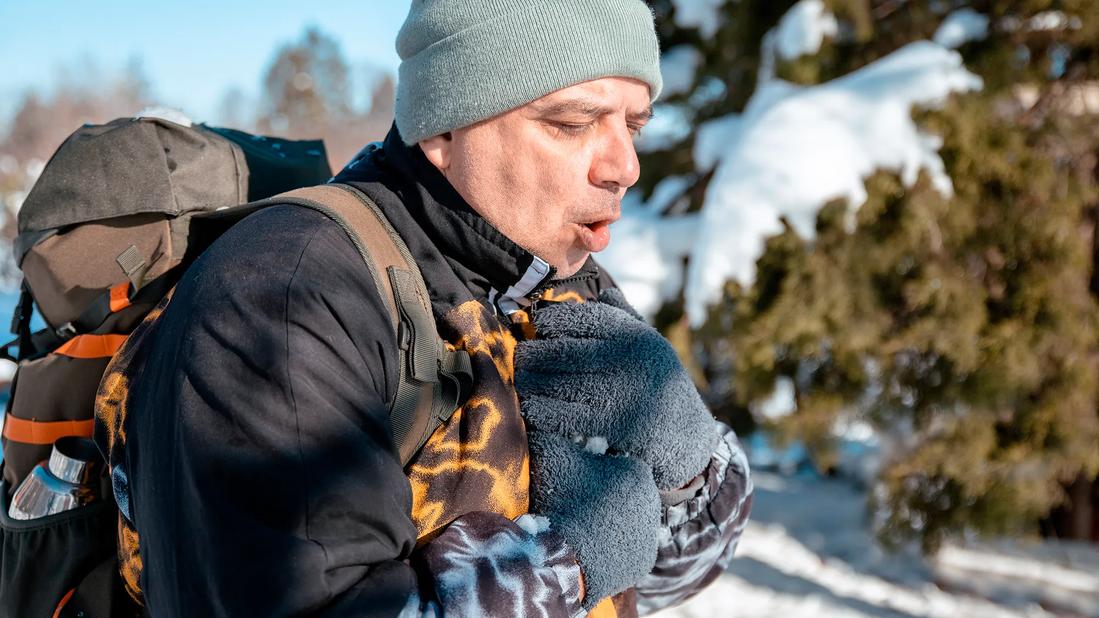
Image content: This image is available to view online.
View image online (https://assets.clevelandclinic.org/transform/35bd5fdf-42d6-4be1-9e30-482391e8c6d3/breathing-difficult-cold-weather-1366231773)
Person hiking in winter and having difficult time breathing
Winter can take your breath away — and we’re not talking about the breathtaking beauty of a fresh snowfall.
Advertisement
Cleveland Clinic is a non-profit academic medical center. Advertising on our site helps support our mission. We do not endorse non-Cleveland Clinic products or services. Policy
If you have asthma, cold weather can turn breathing into a struggle whenever you’re outside. But there are ways to keep your asthma managed so you can breathe easier when a deep freeze hits.
Pediatrician Roopa Thakur, MD, has some hot tips to breathe better in the cold.
Cold-induced asthma happens when breathing in cold, dry air narrows your airways, leading to asthma symptoms. It can cause your airways to become inflamed and extra sensitive, making breathing difficult.
As you might expect, winter and cold-induced asthma go hand in hand (or gloved-hand in gloved-hand). Dr. Thakur explains why:
Advertisement
Cold air can trigger the same asthma symptoms you might experience at other times of year, including:
If you notice these symptoms more often in winter, cold air may be behind the problems, says Dr. Thakur.
Doctors may use a combination of questions, exams and lung function tests to determine if cold temperatures trigger your asthma. The action plan could include any or all of the following:
Cold-induced asthma doesn’t mean you have to stay indoors all winter. With the right steps, you can minimize your risk of flare-ups and keep your breathing managed.
Asthma maintenance is key, especially in winter. So, don’t wait until you have trouble breathing to take your prescribed asthma meds. “Inhaled steroids reduce airway inflammation and should be taken daily, even if you feel fine,” states Dr. Thakur.
If you start coughing when temperatures plummet, try to adjust the amount of time you spend out in the elements. “Limit time outside as best you can when the conditions really seem to affect you,” recommends Dr. Thakur.
This is especially true when exercising, as cold air plus physical activity can be a double trigger. Lean toward indoor workouts when it’s freezing outside if you’re prone to exercise-induced asthma.
Wearing a scarf doesn’t just keep Jack Frost from nipping at your nose. It can also help warm and humidify cold air before it reaches your lungs, emphasizes Dr. Thakur. (A mask can also be effective.)
The solution for air that’s too dry? Add moisture! Running a humidifier in your home can ease the dryness to help you breathe more easily. (Just be sure to clean your humidifier regularly to prevent mold, another asthma trigger.)
Advertisement
Staying healthy is everyone’s goal during cold and flu season, but there’s an extra incentive if you have asthma, as respiratory infections can quickly lead to asthma attacks. Take precautions by:
If you’re worried about cold-induced asthma this winter, don’t wait to ask for help.
“Reach out to your doctor anytime,” advises Dr. Thakur. “They can help adjust your plan so you can enjoy the season.”
Advertisement

Sign up for our Health Essentials emails for expert guidance on nutrition, fitness, sleep, skin care and more.
Learn more about our editorial process.
Advertisement

Adult-onset asthma has the same symptoms as childhood asthma, but tends to be more severe
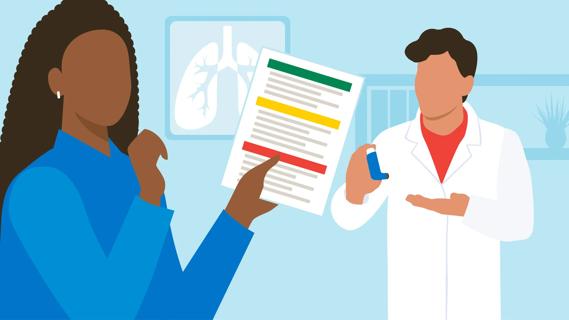
An asthma action plan is a personalized, step-by-step set of instructions for handling asthma attacks

Checking the weather, pollen counts and air quality can help you avoid asthma triggers

Stress can trigger and worsen asthma symptoms, like coughing and shortness of breath

Smoking, including secondhand smoke, can worsen your asthma triggers and damage your airways

Nighttime asthma attacks can be due to acid reflux, allergens and hormonal changes, but treatment can help prevent them

The effectiveness and safety of many of these options are unknown, so it’s best to stick to traditional care
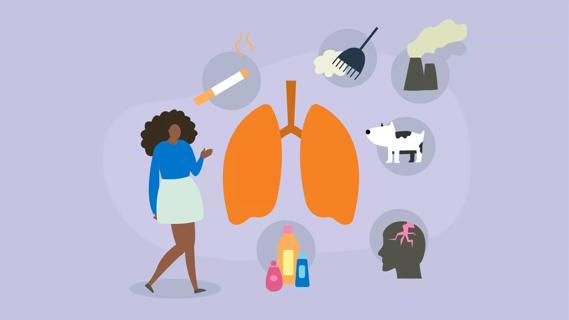
Avoid triggers like dust, smoke and cold air to lessen your chances of coughing

Managing your weight through physical activity may lower your chances of getting this common cancer
It typically starts in October and winds down in early spring, with cases at their highest in the middle of winter

Anxiety disorders, health conditions and past trauma can make driving nerve-wracking — help is available
 Search










