Locations:





 Search
Understanding your alternatives
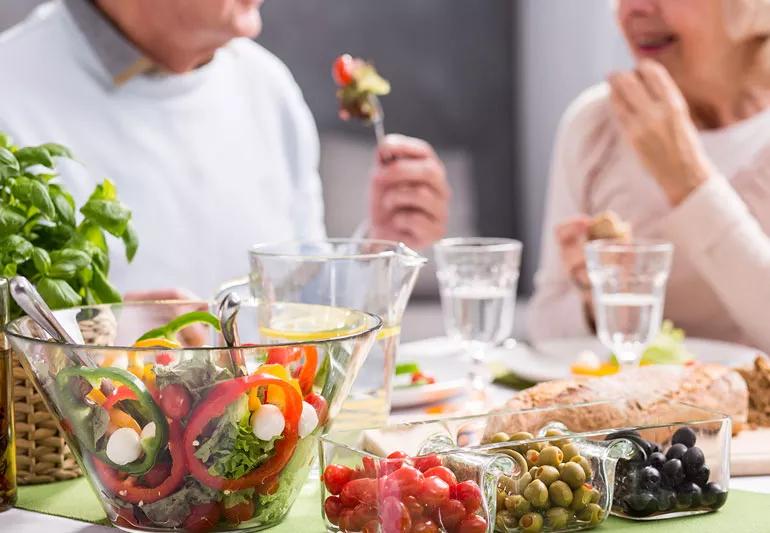
Image content: This image is available to view online.
View image online (https://assets.clevelandclinic.org/transform/3ee9dced-4499-4a4d-88ab-7d75b7a8ecad/eatingVeggiesPain-595140538-770x553_jpg)
Older couple eating healthy vegetables for meal
Advertisement
Cleveland Clinic is a non-profit academic medical center. Advertising on our site helps support our mission. We do not endorse non-Cleveland Clinic products or services. Policy
Too often, we treat pain with medications. Unfortunately, many pain medications have bad side effects. They also can be addictive. As a pain management physician, I encourage patients struggling with pain to consider all of their alternatives before resigning themselves to long-term medication use.
Many of my patients are able to achieve significant relief of pain throughout their body (back, neck, shoulder, knees, chest and more) with osteopathic manipulation therapy (OMT) and acupuncture. Both are in-office procedures and typically are gentle.
In OMT, the physician uses his or her hands to manipulate patients’ bodies into proper alignment as a way to ease pain. Such “manual medicine” is the hallmark of osteopathic physicians. We also use acupuncture, the strategic placement of very thin needles to stimulate nerves and relieve pain.
OMT and acupuncture generally are covered by insurance.
Osteopathic physicians are trained to be holistic in their approach to patients. They try to treat the whole patient, not just one part of the body. As part of my holistic approach to pain, I strongly encourage my patients to improve their diet and exercise. These two acts alone can achieve positive results without medication.
Advertisement
I often suggest an anti-inflammatory diet. This can be a big change from the typical American diet. An anti-inflammatory diet involves eating a lot of vegetables (corn and potatoes don’t count) and fish. The diet includes some fruit and limited amounts of dairy and whole grains and very little red meat, flour or sugar. It is 80% to 90% vegan.
Following it is a challenge, but it is well worth it. Some patients start to feel much better in as little as two weeks. They have substantial pain relief. They also see lower blood pressure and lower lipid, cholesterol and blood sugar levels. All this without bad side effects.
With these approaches, I have seen patients overcome disabling pain and resume an active life without medications. If you think you might benefit from these steps, consider seeking a referral to a physician who specializes in a holistic approach to pain management.
Advertisement

Sign up for our Health Essentials emails for expert guidance on nutrition, fitness, sleep, skin care and more.
Learn more about our editorial process.
Advertisement
These creams that you apply to your skin can actually help reduce localized pain, swelling and inflammation
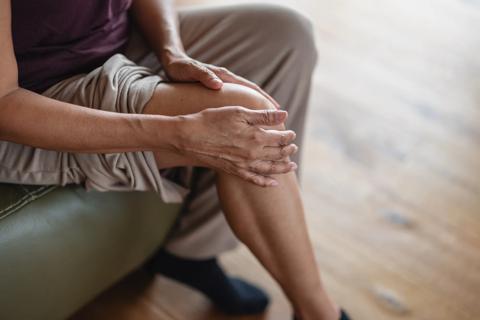
Your choice depends on your reason and need for treatment
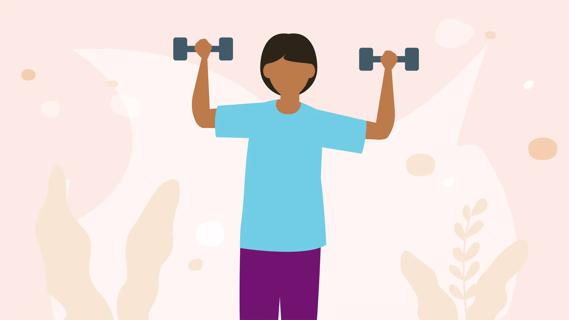
Always seek medical advice for pain — but exercise, stretching, guided imagery and deep breathing may help in the meantime

Finding a neutral position can ease stress on your back, neck and shoulders
Five minutes of quiet, focused time can help

Know how long pain should reasonably last
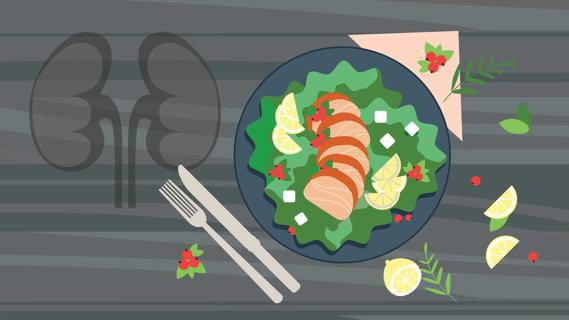
Restricting the amount of fluid you take in and eating less salt can make your dialysis treatments more efficient
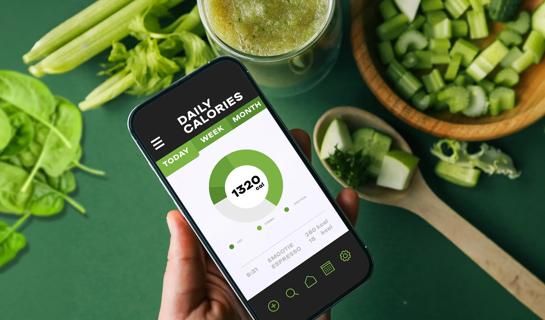
A little bit of math and a little bit of patience can put you on the path to meeting your goals
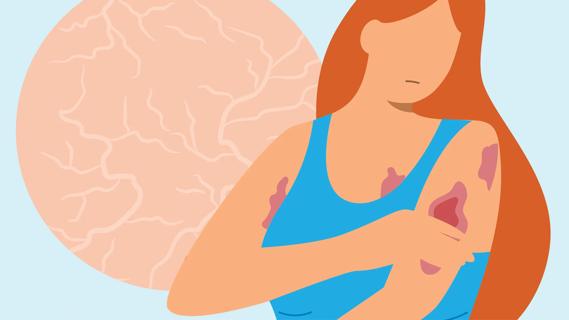
If you’re dealing with intense itching and red or swollen skin, it might be eczema
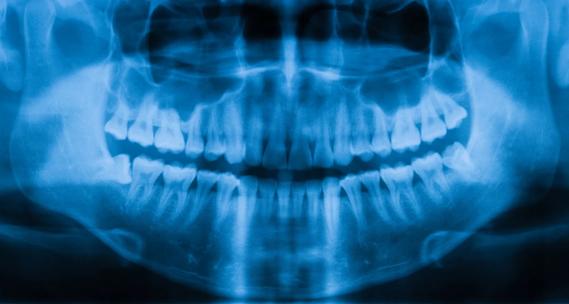
While similar in some respects, teeth and bones have key differences, like durability and structure
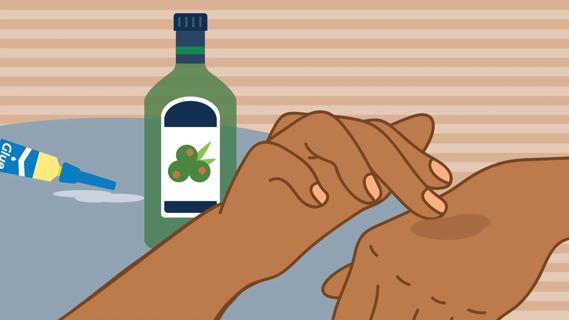
Warm water, lotion, cooking oils or nail polish remover may all help to loosen the adhesive











