Locations:





Eating a totally plant-based diet can be healthy, but eating a well-balanced diet no matter what eating style you choose is important
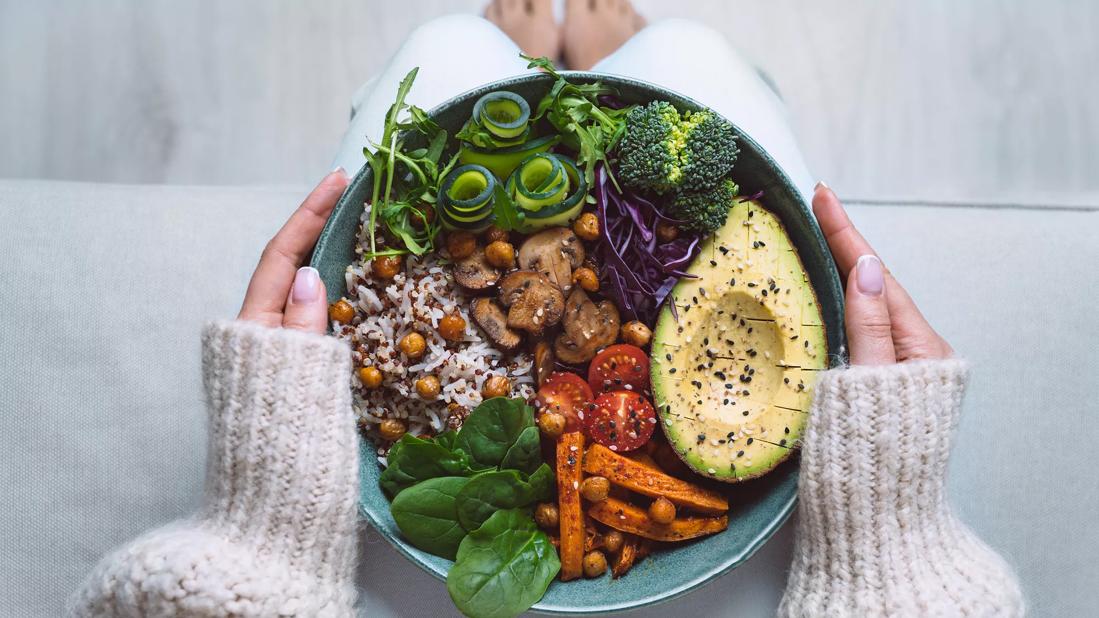
Image content: This image is available to view online.
View image online (https://assets.clevelandclinic.org/transform/2fcd07c9-41fc-4911-8fa6-fbd9a5edb44c/vegan-food-bowl-1433432507)
Person holding a plate of veggies and rice on their lap
Yes, eating a vegan diet can be just what your body needs — a sensible way to rid your body of unhealthy, highly processed foods and welcome in power-packed vegetables, fruits, nuts, seeds and legumes. And it just might save your life. That’s some legit motivation.
Advertisement
Cleveland Clinic is a non-profit academic medical center. Advertising on our site helps support our mission. We do not endorse non-Cleveland Clinic products or services. Policy
But (and there’s always a but, right?) there’s a caveat — some conditions with that considerably healthy carrot.
Veganism — also often (if inconsistently) known as a plant-based diet — can sometimes be placed on the latest diet pedestal as the best or only way to go. But that’s not necessarily the case. In fact, it’s more important to know your own needs and focus on what’s actually helpful for your body, says registered dietitian Julia Zumpano, RD, LD.
“Going vegan can be an incredibly healthy way to live, but we can’t say it’s the only way,” Zumpano says. “What we can say is that focusing on whole foods and adding a robust variety of plant-based foods into your eating style — while also subtracting heavily processed foods and processed meats — will optimize overall health benefits. But we should acknowledge that this is true whether you choose to eat meat and dairy or not.”
We talk a bit more about the ins and outs of whether a vegan lifestyle for eating (Zumpano’s preferred term over diet) can work for you and your family.
First, a reminder about the difference between veganism and vegetarianism.
For starters, neither is as popular as they may seem — fewer than 5% of U.S. adults say they’re vegetarian and about 1% say they’re vegan (percentages that have remained fairly constant over the last decade).
Advertisement
That said, some reports show veganism is clearly on the rise not only in the U.S., but also around the world.
And as both focus on a plant-based diet, here are the main differences:
Any of those plant-based eating styles — with their emphasis on eating real food (often food that you chop not just shop) — are by their very nature a healthier option than the eating styles followed by many of us, Zumpano says.
They certainly shine compared to the Standard American Diet (SAD) or Western Diet. This frequently criticized, but rampant eating habit, is alarmingly high in fat, sodium and sugar and woefully low in fruits and vegetables.
Even so, it’s good to question what happens to your body when you go vegan or make any dramatic change, Zumpano notes. And you may be questioning which is healthier, vegan or vegetarian? And even asking a broader question — what is the healthiest diet for humans?
“These are the right questions to be asking,” she affirms. “Anyone who is considering a radical change in their eating style would do best by consulting with their healthcare provider — a dietitian, if possible — to map out and monitor their strategy. A lot of people won’t go that far, of course, which is why we try to communicate in other ways that people can access — like in blog posts!”
In any case, ditching SAD and joining “team vegan” is almost always a winning strategy, Zumpano says.
“Focusing on whole foods and making sure you’re getting enough protein can be a healthy style of eating with a host of benefits.”
Many clinical studies show the benefit of a plant-based diet in preventing cardiovascular events — including death. Among the benefits of adopting a vegetarian or vegan eating style:
Advertisement
Time to circle back to that caveat.
If you’re going to follow a vegan style of eating, you should also be aware that you may put yourself at risk of missing out on healthy levels of vitamin B12, iron, zinc or calcium, unless you take the proper actions to address those shortfalls.
One study found, for example, that more than half of vegan men had a B12 deficiency, compared to less than 1% of men who ate both meat and vegetables (omnivore diet). B12, which is only naturally found in animal products like meat and dairy, is an important nutrient that helps your body keep your nerve cells and blood cells healthy. It also helps your body make DNA, the genetic material in all your cells.
So, wait — is it bad to go vegan?
No, not if you know your needs and follow a plan to meet them, Zumpano clarifies.
“And every person has specific needs,” she continues. “What can be healthy for many, might be unhealthy for some. Take a person who can’t eat grains or beans. That would make it very difficult to get all the necessary nutrients with a purely vegan diet. So, they should talk to their dietitian about other foods that would meet their needs, or supplements, or maybe an omnivore diet works better for them.”
Advertisement
Zumpano notes that one of the reasons that it’s best to work with a healthcare provider to map out a vegan strategy (or any eating style) is that “everyone’s tolerance is different and so is their family history, their genetics and their personal history.”
There’s a long list of processed foods that are considered vegan, like cookies and chips, but that doesn't mean they’re good for you, Zumpano warns.
“Now more than ever, there is a wide array of plant-based meats available but keep in mind these are highly processed and should be avoided,” she says.“It’s best to avoid the chickenless nuggets and plant burgers except for rare occasions or when your options are limited.”
Finally, some research suggests that not getting the right nutrition could worsen depression in some cases. On the other hand, some research also reports that eating any high-quality diet, vegan or otherwise, can reduce symptoms of depression.
Again, talking with your dietitian and other healthcare providers is your best bet when making any eating lifestyle choices or changes.
This brings us back to what you should be eating to make the vegan eating style work for your body (assuming you’re not gluten-free and can’t have whole grains or you can’t eat cruciferous vegetables like broccoli).
Advertisement
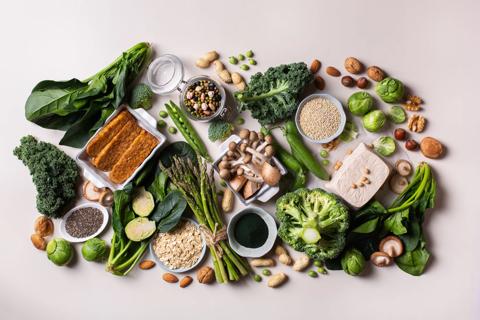
Your kitchen may already have some good plant-based protein sources like tofu, nut butter, beans, seeds and quinoa. And you can get omega-3 fatty acids in unsaturated fats in avocados, nuts and leafy green vegetables.
Iron-rich foods include spinach, edamame and broccoli. Also be sure to eat plant-based iron with foods high in vitamin C (such as bell peppers, spinach and sweet potatoes), as they help with absorption.
And If you typically get your calcium from dairy, look to nuts, beans and dark leafy greens as a replacement or choose calcium-fortified tofu and dairy-free milk alternatives.
You may also be wondering if a diet that cuts out all animal products is good for your kiddos. There are strong arguments pro and con to that question.
Some organizations argue that a vegan diet can “support healthy living in people of all ages (including children).” But some research asserts that there’s direct and indirect evidence that a plant-only diet “may be associated with serious risks for brain and body development in fetuses and children” — or at the very least, lead to higher odds of being underweight.
Zumpano urges a common-sense approach and a well-balanced diet. She also recommends an assessment by a qualified dietitian and tracking any changes in your child, both from your own observations and by a healthcare provider.
“Kids’ nutritional needs are essential for proper growth and development,” she states. “You’ve got to ask the serious question, ‘Is your child meeting their nutrient needs on a vegan diet?’ Not getting enough protein, B12 and calcium (amongst many other nutrients) can lead to serious negative developmental outcomes.”
Zumpano — who has at various points in her life been vegan and vegetarian but has also followed an omnivore eating style — recommends being open to including meat in a child’s diet, if appropriate (or your own, for that matter).
“Especially if your kid likes meat and if they feel good after eating it,” she encourages. “We want them to view food as fuel, for it to be a healthy thing, not only a restrictive thing, and meat is dense in much-needed nutrients, especially protein.”
And protein is essential to make sure your child reaches their full height potential, for example, so making certain they’re getting enough is critical.
As a final word, Zumpano returns to the idea of balance and whole foods. Whether it’s for you or if you’re teaching your children to follow a vegan diet, it’s important to include a good variety of whole grains and whole fruits and vegetables.
“No matter what eating style you decide is right for you, you need to aim for balance and good nutrition,” she reiterates. “And eat real food for fuel!”

Sign up for our Health Essentials emails for expert guidance on nutrition, fitness, sleep, skin care and more.
Learn more about our editorial process.
Advertisement
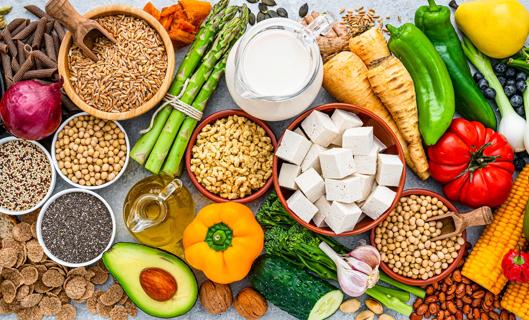
The meatless, plant-based eating style has countless tasty and healthy options
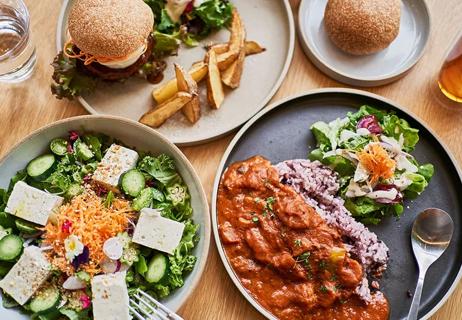
Going vegan in January can help you lose weight, lower your blood pressure and more

Don’t underestimate the power of a pause
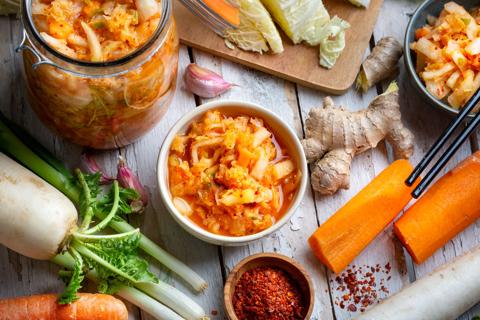
From sauerkraut to kimchi, these foods can help keep your gut healthy

This famously funky-smelling fruit is packed with fiber, vitamins and minerals

This South Pacific plant is often promoted for stress relief and relaxation, but there are a few things you should know before trying it
You can get a good amount of protein from eating lentils, beans, tofu, grains, seeds and nuts
Matcha delivers antioxidants and other plant compounds in a concentrated form that may support your heart, brain and more

Managing your weight through physical activity may lower your chances of getting this common cancer

It typically starts in October and winds down in early spring, with cases at their highest in the middle of winter

Anxiety disorders, health conditions and past trauma can make driving nerve-wracking — help is available
 Search










