Locations:





Magnesium is a powerhouse that helps with everything from muscle function to mental health

Image content: This image is available to view online.
View image online (https://assets.clevelandclinic.org/transform/4a0af34d-4047-47e6-b2a3-ccf246ebd8e4/magnesium-supplements-1350655563)
Person sitting on edge of bed taking medications
If there were an award given for “best supporting mineral” in your body, the trophy could easily go to magnesium. It helps support more than 300 different chemical processes throughout your body.
Advertisement
Cleveland Clinic is a non-profit academic medical center. Advertising on our site helps support our mission. We do not endorse non-Cleveland Clinic products or services. Policy
But what exactly does it do, and how much do you need? Registered dietitian Kate Patton, RD, LD, shares some of magnesium’s most notable benefits.
Magnesium is a powerhouse mineral that plays a crucial role in various processes all across your body. It helps with everything from regulating blood pressure and blood sugar levels to promoting energy production, nerve function and bone health.
“Magnesium is an essential mineral that plays a lot of important background roles in our physiological functioning,” Patton says.
In the foods you eat, magnesium is versatile. It goes about its work all over your body. In supplements, magnesium is combined with other substances to help bring out specific benefits.
For example:
While some vitamins and minerals get a reputation for being really good at one thing — say, vitamin C for immune health or calcium for strong bones — magnesium is more of a team player. It’s working behind the scenes to keep all of your systems working in tip-top shape.
Advertisement
Patton shares just a few of magnesium’s best-known benefits.
If you’ve ever tried an Epsom salt bath, you may already know a bit about what may be magnesium’s most famous benefit. Some people say that soaking in a bathtub of Epson salt helps relieve sore muscles. The idea is that the magnesium in the salts absorbs into your skin to relieve aches and pains.
Research doesn’t necessarily back that up (though it could still be worth a try). But what has been well established is that magnesium can help keep your muscles functioning at their best. What’s more, severe magnesium deficiency can cause muscle cramps, numbness and tingling.
Magnesium has a hand in helping break down food in your body so it can properly get through your system. That’s why you may see magnesium in some products for treating things like heartburn and indigestion.
Magnesium helps keep your heart healthy in a few ways.
It can help keep your blood pressure in a healthy range. It can also help regulate your blood sugar, which helps protect you from diabetes. And it may even be beneficial for managing an abnormal heart rhythm.
“Magnesium is an electrolyte, like sodium and potassium,” Patton explains. “That means it can help keep your body’s electrical system firing correctly.”
Too little magnesium and your heartbeat can go off beat, resulting in heart palpitations.
Magnesium’s role in helping you relax is what gave rise to the “sleepy girl mocktail” trend. But you don’t have to mix up a special concoction to get magnesium’s stress-reducing benefits.
Some researchers have found that magnesium may help level out cortisol levels. That means it can help keep your stress hormones from running amok, which can lead to things like depression and anxiety.
Your magnesium needs change over the course of your lifetime. Starting in their teenage years, men need more magnesium than women. See these recommended dietary allowances (RDAs) for each age and sex:
Pregnant women should get an additional 40 mg of magnesium per day. Some, but not all, prenatal vitamins include magnesium. Check labels to know if yours does.
Magnesium can do your body good, but too much of a good thing can cause problems, especially when you’re taking supplements.
Advertisement
Excessive magnesium intake can come with some risks, like:
Most people can get all the magnesium they need through a healthy diet. Foods high in magnesium include nuts, seeds, greens, beans, fruits and grains. So, it’s not hard to come by.
“A balanced diet that includes a variety of whole, plant-based foods should give most people the magnesium they need to stay healthy,” Patton shares. “You’re not going to eat too much magnesium to cause yourself any side effects. But when you’re taking supplements, it’s easy to go overboard.”
People who have certain gastrointestinal issues that affect how well they absorb nutrients can be at higher risk for magnesium deficiency and may be advised to take supplements. Others are simply drawn to magnesium supplements to help with things like muscle aches or stress relief.
If you think you would benefit from taking a magnesium supplement, talk with a healthcare provider first, like a dietitian or primary care physician. They can help make sure you’re taking the right amount in the right form to reap the benefits without the risks.
Advertisement

Sign up for our Health Essentials emails for expert guidance on nutrition, fitness, sleep, skin care and more.
Learn more about our editorial process.
Advertisement

They’re both essential minerals, but they do different jobs in your body

A healthy diet can easily meet your body’s important demands for magnesium

Early warning signs include fatigue and stiffness

From sauerkraut to kimchi, these foods can help keep your gut healthy

This East Asian and subtropical fruit is packed with delicious nutrition

There’s limited research on whether the supplement can help you snooze — adopting proven sleep habits may be a better place to start
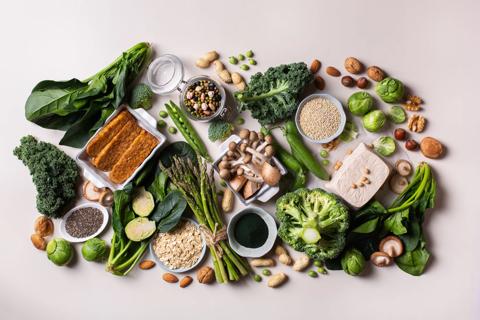
You can get a good amount of protein from eating lentils, beans, tofu, grains, seeds and nuts

Lean meats, fish, dairy and plant proteins can help you meet your protein needs without piling on saturated fat and sugar

Managing your weight through physical activity may lower your chances of getting this common cancer

It typically starts in October and winds down in early spring, with cases at their highest in the middle of winter

Anxiety disorders, health conditions and past trauma can make driving nerve-wracking — help is available
 Search










