Locations:





Even without nicotine, vapes can contain volatile organic compounds that may damage your lungs and enter your bloodstream
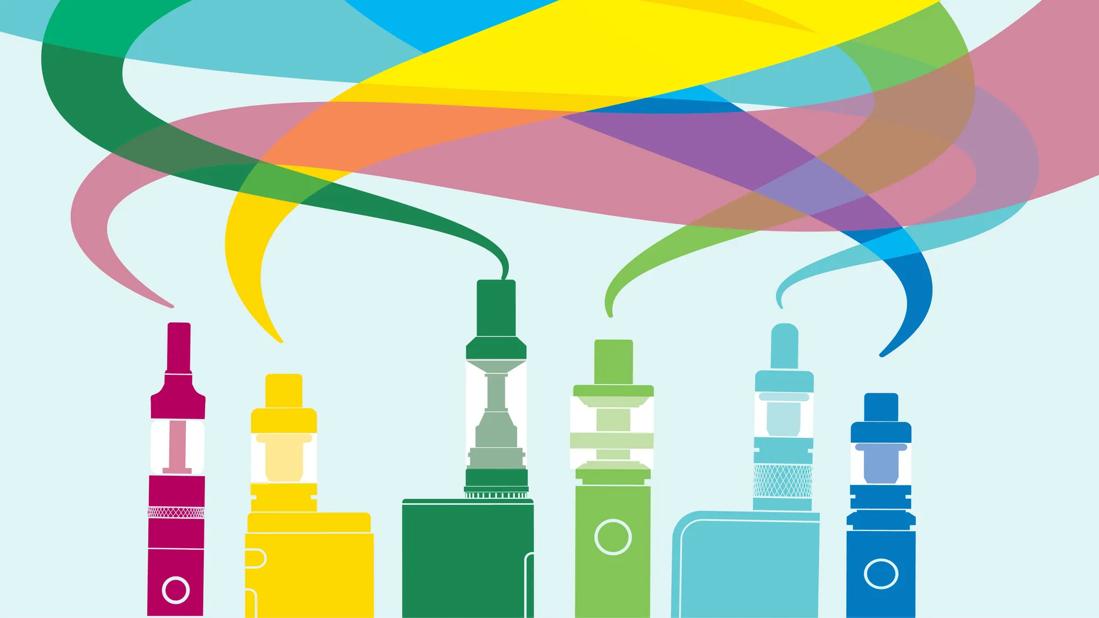
Image content: This image is available to view online.
View image online (https://assets.clevelandclinic.org/transform/661e00a7-b4e0-4106-8b36-6bf070c7f5e9/different-vaping-tools-vapor-919387718)
Assorted colored and style vapes, emitting vapors
You know that nicotine is addictive. And smoking is harmful to your health. Maybe you’ve even heard that vaping isn’t a safe alternative.
Advertisement
Cleveland Clinic is a non-profit academic medical center. Advertising on our site helps support our mission. We do not endorse non-Cleveland Clinic products or services. Policy
But what about vaping something else, like caffeine, marijuana or essential oils? Or using a nicotine-free vape to quit smoking?
There’s a lot we still don’t know about zero-nicotine vaping. But pulmonologist Angela Wang, MD, says that, based on what we know now, “There’s no such thing as a safe vape.”
Non-nicotine vapes are marketed as “healthy” because they don’t contain the stimulant (nicotine) that makes smoking and traditional vaping so addictive. But there’s a problem: There’s no way to be sure these products are actually nicotine-free.
“Even though a vape may be labeled that way, it’s really important to understand that these products aren’t regulated,” Dr. Wang states. “These products may end up containing detectable levels of nicotine — sometimes as high as regular e-cigarettes.”
It can happen because of mislabeling or cross-contamination during the production process. But sometimes, it’s just false advertising.
“The products saying ‘nicotine-free’ on the label are not trustworthy,” she adds.
And even if you could trust those labels, there are plenty of other concerning ingredients in vapes that make them dangerous.
Even if the e-cigarette market were strictly regulated, using zero-nicotine vapes would still be risky. That’s because you’d still be inhaling potentially dangerous carbon-based chemicals called volatile organic compounds.
Advertisement
To understand the risks involved in nicotine-free vaping, you need to understand how vape pens work.
When you vape, you’re inhaling a liquid that’s been heated up enough to become a vapor. The liquid the vapor’s made of is called a carrier or diluent. Dr. Wang reports that one of the most used carrier liquids is a chemical called propylene glycol.
“It’s often used in cosmetics,” she says. “But we don’t know what propylene glycol does to your lungs when you heat and aerosolize it.” Early research suggests that as it breaks down, it creates formaldehyde and acetaldehyde — two substances known to cause lung damage and cancer (carcinogens).
Dr. Wang adds that there could be hundreds of other chemicals in a single vape pod or cartridge. And most of them haven’t been tested for safety.
Other common ingredients include:
Non-nicotine vapes are popular, in large part, because they’re marketed as a safe — and even healthy — alternative to tobacco products or traditional vapes. Some people use them to help overcome nicotine addiction.
“Smoking is a very complex behavior,” Dr. Wang recognizes. “And it’s true that some of it is just having something in your hand and putting it in your mouth.”
The approach makes sense in theory. But right now, that’s all it is: A theory.
“It’s really up in the air whether these products can actually help a person quit,” she continues. “But these products aren’t tested, and there’s no quality control. So, you may be inhaling nicotine, or another addictive or dangerous substance, without knowing it.”
The FDA isn’t convinced either. It hasn’t approved any of these products for use as smoking cessation aids.
Here are a few other reasons people buy these products:
Advertisement
Vaping can have serious negative impacts on both your lungs and your overall health.
“You’re inhaling volatile organic compounds that can damage airway cells,” Dr. Wang explains. “They’re absorbed into your bloodstream, which can lead to inflammation, oxidative stress and damage to blood vessels.”
Here are the potential risks that we already know about:
Advertisement
While you may not be inhaling tobacco or nicotine when you use this type of e-cigarette, concerns about heart disease and cancer remain.
“With smoking, it took decades to understand the damage it causes,” Dr. Wang says. “These vapes just haven’t been out that long.” Only with time and research will we truly understand how zero-nicotine vapes affect your health.
Until then, Dr. Wang stresses that the dangers of vaping are especially great for young people. That’s because your lungs stop developing after your teen years.
“If you damage these organs, in general, they’re not reparable,” she emphasizes.
Ultimately, the choice to use a nicotine-free vape, for any reason, is yours and yours alone. But to make an informed choice, you need to know about the risks involved.
If you’ve been trying to quit smoking or vaping without success, Dr. Wang wants you to know that there are lots of safe, evidence-based approaches you can try. Non-nicotine vaping just isn’t one of them.
If you’re ready to give nicotine the boot, consider asking a provider to connect you with a smoking cessation specialist or program. They can help you choose a strategy that works for who you are and how you live.
Advertisement

Sign up for our Health Essentials emails for expert guidance on nutrition, fitness, sleep, skin care and more.
Learn more about our editorial process.
Advertisement
Nicotine and other lingering chemicals from smoking can harm people who don’t smoke, including children
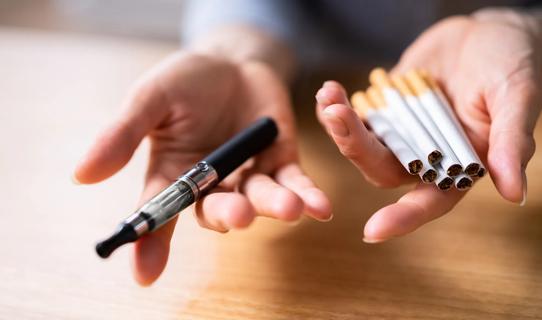
Nicotine in any form is hazardous to your health
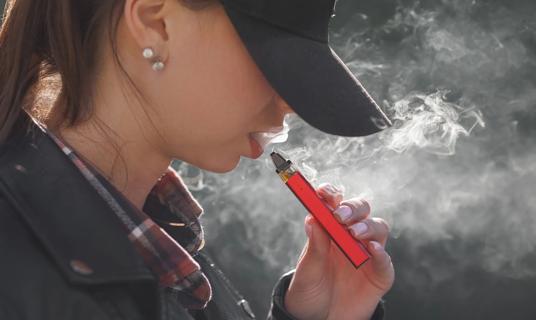
Vaping exposes you to thousands of chemicals, including many that are known to cause cancer and lung disease

From dental diseases to cardiovascular problems, the harmful effects of smoking hookah have plenty of downsides for your health
They don’t contain tobacco, but these toxic, highly addictive products can permanently damage your health

Nicotine replacement products and relaxation techniques can help you ditch the dip
Even only a couple cigarettes a day can lead to potentially deadly lung diseases like COPD and emphysema

Your risk goes down once you quit, but you may still need a lung cancer screening

Managing your weight through physical activity may lower your chances of getting this common cancer
It typically starts in October and winds down in early spring, with cases at their highest in the middle of winter

Anxiety disorders, health conditions and past trauma can make driving nerve-wracking — help is available
 Search










