Locations:





The short answer from a registered dietitian
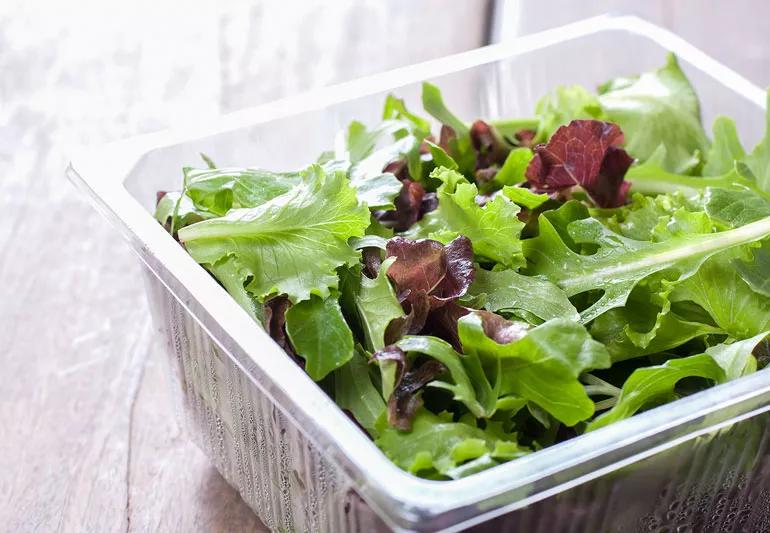
Image content: This image is available to view online.
View image online (https://assets.clevelandclinic.org/transform/7e0ffe40-7830-4b4f-887b-dcd9b1437070/preWashedVeggies-460589923-770x533-1_jpg)
pre washed lettuce
A: No, you do not need to wash ready-to-eat produce. In fact, rewashing can increase your risk of getting sick because your produce may become contaminated with bacteria from your sink, countertop, cutting boards or other kitchen surfaces.
Advertisement
Cleveland Clinic is a non-profit academic medical center. Advertising on our site helps support our mission. We do not endorse non-Cleveland Clinic products or services. Policy
However, you should always wash produce that does not come prewashed before eating it. This is true even for fruits and vegetables that have a rind you plan to peel like watermelon or cucumber. Otherwise, you could spread bacteria and other contaminants when you slice the fruit or vegetable.
Here are some washing tips:
— Registered dietitian April Verdi, MPH, RD, LD
Advertisement

Sign up for our Health Essentials emails for expert guidance on nutrition, fitness, sleep, skin care and more.
Learn more about our editorial process.
Advertisement
Choosing certain kinds of fish to eat can help keep the mercury to a minimum in your meal

Leftovers can be kept in the fridge for three to four days or frozen for three to four months
Ultimately, rice is safe to eat, but the type, where it’s grown and how you cook it may be factors to consider
Washing your hands, thoroughly cleaning kitchen tools and preparing meat separately can reduce the risk of foodborne illness
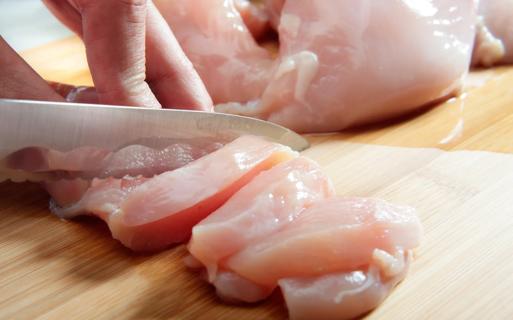
Rinsing raw chicken raises the risk of spreading harmful bacteria and causing foodborne illness

Extended outages lasting more than four hours can make food in your fridge unsafe to eat
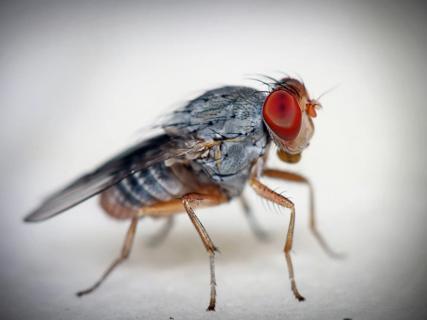
Make your home a no-fly zone by cleaning your drains, refrigerating your produce and DIYing a fruit fly trap
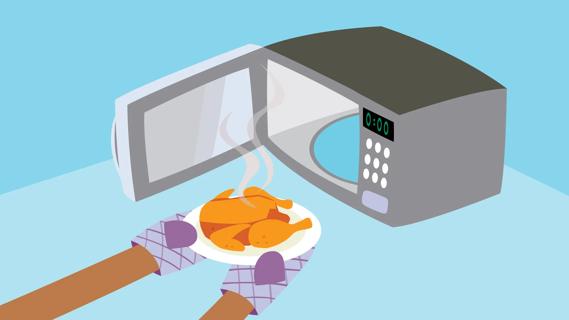
Microwaves use non-ionizing radiation and haven’t been shown to cause cancer — follow food safety practices and use microwave-safe containers

Eyes typically increase to full size during two growth spurts in childhood
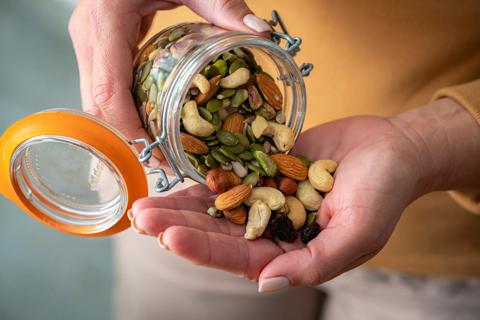
To start, opt for calorie-dense foods that are rich in protein and healthy fats

Pre-birth injections and monoclonal antibodies can help prevent serious complications
 Search










