Locations:
Search IconSearch

Is Drinking Tea Good for You?

Different teas offer different health benefits — but they all bring something to the table
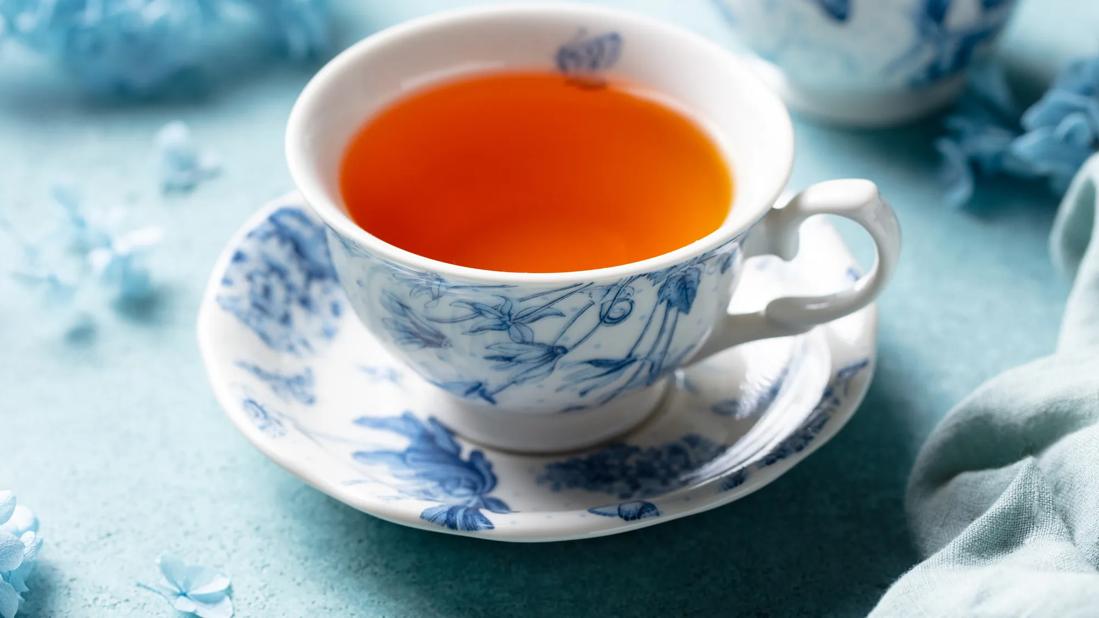
Hot tea in teacup on saucer on table

Let’s talk about your health over a cup of tea.

Advertisement

Cleveland Clinic is a non-profit academic medical center. Advertising on our site helps support our mission. We do not endorse non-Cleveland Clinic products or services. Policy

After all, the simple and soothing drink has long supplied an answer for our various ailments. Study after study shows the benefits of drinking tea. There’s even evidence that drinking tea may help you live longer.

So, what exactly makes tea so good for you? Let’s brew up an answer with registered dietitian Beth Czerwony, RD, LD.

What makes tea healthy?

True teas — including green and black tea — come from the leaves of the Camellia sinensis plant. Herbal teas, meanwhile, are made by steeping herbs, flowers, roots or spices in hot water.

But whichever type you enjoy, your cup likely contains plant compounds that can benefit your health.

That’s because many teas are rich in antioxidants, including compounds called polyphenols and catechins. These natural do-gooders help protect your cells from damage caused by unstable molecules called free radicals.

“A cup of tea does more than just warm your hands,” says Czerwony. “The natural compounds in it can help support your long-term health. It’s like every sip is an investment in your well-being.”

Health benefits of tea

Let’s be clear: No single tea can prevent disease, cure illness or serve as a substitute for an overall healthy lifestyle. “A cup of tea is good for you, but it’s not a magic potion,” emphasizes Czerwony.

Advertisement

But research suggests that regularly drinking tea may support your health in several ways, including:

  • Improved heart health: Virtually all teas contain antioxidants that have been linked to healthier blood vessels, lower blood pressure and improved cholesterol levels.
  • Better brain function: Regular tea consumption has been connected to better cognitive function, especially as you age. Over time, tea’s antioxidants may also help protect brain cells from oxidative stress.
  • Disease prevention: Research has linked green tea in particular to a lower risk of cancer and several chronic diseases, primarily thanks to antioxidants. More research is needed to fully understand the connections.
  • Metabolism boost: Some studies suggest green tea may support metabolism and healthy weight management as part of an overall healthy diet and lifestyle.
  • Reduced inflammation: Natural plant compounds in tea may help calm inflammation throughout your body, which can lower your risk of heart disease and other chronic conditions.

Choosing the right kind of tea

Different teas offer different benefits. “The best choice for you really depends on what you’re hoping to get out of it,” says Czerwony.

To get the most out of every cup, here are her suggestions for common concerns.

  • Overall wellness: Green tea is Czerwony’s top pick thanks to its versatility. “Green tea is the champ when it comes to offering health benefits,” she says. “It’s the Swiss Army Knife® of teas.”
  • Heart health: Your heart will love hibiscus tea! The reason? Studies show that it can help lower your blood pressure and LDL “bad” cholesterol due to high levels of antioxidants.
  • Digestive health: Ginger tea may relieve nausea and indigestion by helping food move through your digestive tract more efficiently. Peppermint tea may also help digestive issues lower in your gut, though it can worsen acid reflux for some people.
  • Lung health: Herbal teas made with ginger, turmeric or cinnamon contain anti-inflammatory compounds that may help soothe irritated airways. Drinking warm tea can also help loosen mucus when you’re congested.
  • Cold symptoms: Peppermint tea’s menthol may help ease sore throats and stuffy noses. Herbal teas made with echinacea, hibiscus or elderberry are other popular choices when you’re under the weather.
  • Better sleep: Chamomile tea contains an antioxidant called apigenin that may promote relaxation and sleep. Valerian root and lavender teas are other caffeine-free options to consider before bedtime.

Advertisement

What to watch out for

Tea is generally a healthy beverage, but there are a few things to keep in mind.

  • Pay attention to caffeine. Black tea typically contains more caffeine than green tea, which may matter if you’re sensitive to the energy-boosting stimulant or trying to cut back on it.
  • Know your digestive triggers. While certain teas may help soothe digestive issues, they also may aggravate acid reflux. Be mindful of how your body responds to certain varieties.
  • Consider your medications. Some teas may interact poorly with certain medications, like blood thinners, blood pressure medications or antidepressants. Talk to your healthcare provider about potential issues.
  • Be cautious if pregnant. Some teas — especially herbal ones like licorice root or detox blends — are best avoided during pregnancy. Check with your healthcare provider for guidance.
  • Don’t expect too much from tea. Tea can be part of a healthy lifestyle, but it can’t be the only part. It’s not a substitute for eating a balanced diet, staying physically active and following your healthcare provider’s recommendations.

Final thoughts

So, with so many teas out there, which should you choose to try to boost your health? Sorry…but there’s no single answer to that question. Just find a tea that suits your taste and sit back and enjoy it.

Advertisement

“You’ve got options,” says Czerwony. “Experiment and try different varieties to see what works best for you.”

Advertisement

Cleveland Clinic icon
Health Essentials logo
Subscription icon

Better health starts here

Sign up for our Health Essentials emails for expert guidance on nutrition, fitness, sleep, skin care and more.

Learn more about our editorial process.

Related Articles

Hand reaching for a glass of iced matcha
August 27, 2026/Diet, Food & Fitness

Matcha: A Bright Green Tea That Packs a Healthy Punch

Matcha delivers antioxidants and other plant compounds in a concentrated form that may support your heart, brain and more
Hand stiring matcha in a bowl
August 27, 2026/Nutrition

How To Make Matcha: Easy Ways To Get Your Fix

Matcha is one of the most versatile flavors out there — the grade you choose depends on how you want to use it
Person stirring glass mug of green tea with spoon
September 5, 2024/Nutrition

How Green Tea Can Benefit Your Health

Catechins (antioxidants) in green tea help fight inflammation and diabetes, while improving memory and heart health
Spearmint tea in a glass see through cup with spearmint leaves scattered on the saucer and background.
November 22, 2023/Nutrition

3 Health Benefits of Spearmint Tea

This subtly minty beverage can help balance hormones and loosen stiff joints
Dandelions steeping in hot water inside of a tea cup with a jar of honey in the foreground.
September 1, 2023/Nutrition

Dandelion Tea: What It Is and 5 Benefits

Weeds be gone! This tea contains lots of antioxidants and may help reduce inflammation
table with loose black tea, kettle and honey
July 10, 2023/Nutrition

How Black Tea Can Benefit Your Health

Flavonoids in black tea are good for your health, helping prevent strokes and heart disease

Close-up shot of kombucha in a mason jar with lemon and ginger.
March 6, 2023/Digestive

Is Kombucha Good for You?

Research is limited, but there’s evidence the fermented tea offers some health benefits

Green tea extract in Pill formula
March 23, 2022/Wellness

Is Green Tea Extract Beneficial?

The energy drink staple packs a caffeine punch, but caution is recommended

Trending Topics

Two female college roommates in their dorm room

Is It True That Women’s Periods Sometimes Sync?

Your period may occasionally line up with someone else’s, but science suggests coincidence is responsible — not a mysterious biological connection

Healthcare provider talking with male patient

Male Enhancement: Can You Make Your Penis Bigger?

Most penis-enlargement products, devices and procedures deliver only modest (if any) gains

Pregnant woman at appointment with their healthcare provider

Gestational Diabetes Diet: What To Eat (and Limit) During Pregnancy

Make meals with lean proteins, non-starchy vegetables and complex carbohydrates

Ad