Locations:





What you get: fat, nerves, bones and more

Image content: This image is available to view online.
View image online (https://assets.clevelandclinic.org/transform/15533a4b-f21d-4229-9e02-52bbd3b2e8a4/chickenNugget-ST-042720-770x533-1_jpg)
chicken nuggets
Here’s how to turn a perfectly good source of protein into junk food: Process it.
Advertisement
Cleveland Clinic is a non-profit academic medical center. Advertising on our site helps support our mission. We do not endorse non-Cleveland Clinic products or services. Policy
Research has shown (sorry!) what’s inside a typical fast food chicken nugget. When we think of chicken, we typically think of lean muscle tissue. But the makeup of chicken nuggets is very different.
Researchers in one study examined a randomly selected chicken nugget from two different unidentified chains. The first nugget was only around 50% muscle tissue. The remainder was mostly fat, with some blood vessels and nerves in the mix. The second nugget was around 40% muscle tissue, with the rest being primarily fat, plus some bone pieces and connective tissue.
With obesity recognized as a chronic disease by the American Medical Association, choosing healthy meal options is crucial to living a healthy lifestyle. Aside from the idea of eating nerves, bone and blood vessels — understandably unappetizing to many people — what may be more important is that chicken nuggets provide more fat, less protein, more sodium and more carbohydrates than you’d get from unprocessed chicken.
In addition, nuggets also contain added fillers and preservatives, such as sodium acid pyrophosphate (a leavening agent used in breading) and other multisyllabic, mystery ingredients.
“Food science has allowed modification of a superb source of lean protein into a variety of processed poultry products marketed as inexpensive convenience foods that are high in salt, sugar and fat,” the researchers state.
Advertisement
When choosing meal options for your family, learn to read labels. Opt for foods that have a simple ingredient list and, in the case of chicken products, list chicken as the first ingredient.
“Most people probably do not order a box of chicken nuggets thinking it’s health food,” admits dietitian Laura Jeffers, MEd, RD, LD. “Restaurants make ingredient lists and nutrition facts available for consumers who want to know. But to me, this research underscores the importance of knowing the nutritional value of what you eat. “If the content of chicken nuggets is unappetizing to you, that may be a healthy (and possibly intended) response, too.”
Jeffers goes on to explain: “As a registered dietitian, I frequently talk about the benefits of eating ‘whole foods’ — meats, vegetables and other foods that are not processed.”
She says whole foods and other nutrient-dense foods are more likely to contain the essential vitamins, minerals and fatty acids your body needs. Processing can remove or reduce these and increase the sodium, fat and other potentially unhealthy elements. Realistically, people will eat fast food meals for convenience on occasion. But consider ordering the unbreaded version instead. Try not to make mystery meat a staple of your diet.
Realistically, people will eat fast food meals for convenience on occasion, but try not to make this mystery meat a staple of your diet.
If your kiddos insist on chicken nuggets for dinner, choose from varieties available at the grocery store, read the labels and pick those with the least amount of fillers. Often, you can also find unbreaded options.
“It’s certainly best, if you can, to pick organic chicken nuggets that say they use chicken breast and are raised without antibiotics,” Jeffers says. “Make sure the ingredient list is short — and understandable. You want to avoid lots of fillers and preservatives. That means your kids are getting less actual meat!”
Or, if your kids are big chicken aficionados, practice making your own. Dredge cut up chicken tenders in flour, panko crumbs and a little Italian seasoning, salt and pepper. Then, pan fry in a little bit of olive oil. You might be surprised that their taste buds might be more mature than you think!
Advertisement

Sign up for our Health Essentials emails for expert guidance on nutrition, fitness, sleep, skin care and more.
Learn more about our editorial process.
Advertisement

Don’t underestimate the power of a pause
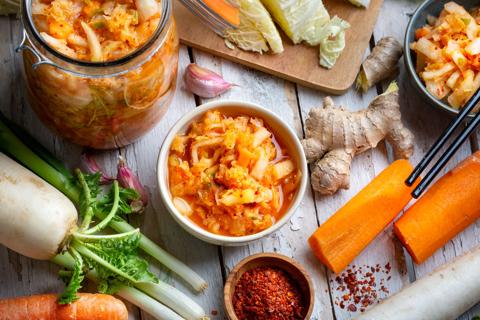
From sauerkraut to kimchi, these foods can help keep your gut healthy

This famously funky-smelling fruit is packed with fiber, vitamins and minerals
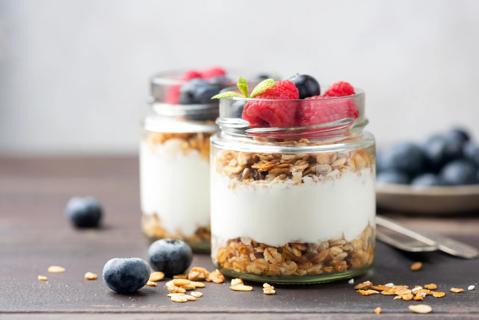
Choosing snacks with protein can help curb hunger, support muscle health and keep your energy steady between meals
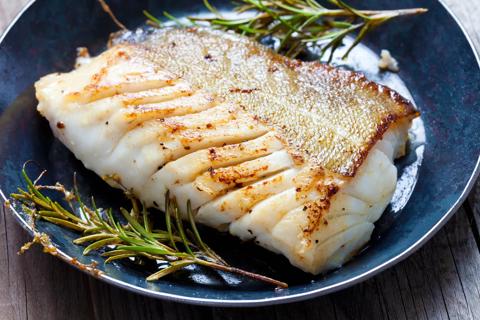
Fish packs plenty of protein, heart-healthy fats and other body-boosting nutrients into every bite

The best choices are high in omega-3s and protein and low in mercury

Look for foods with a variety of nutrients that last a long time and work in multiple meals — like legumes, whole grains and frozen or canned produce
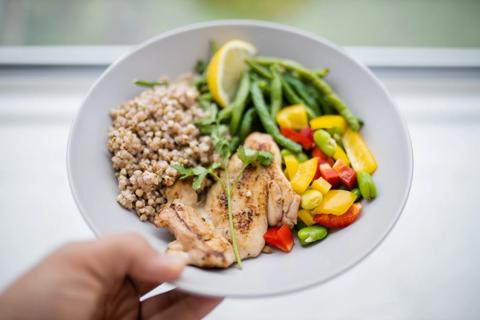
Prepping ingredients ahead of time, rethinking your snacks and making smart protein swaps can up your daily intake

Eyes typically increase to full size during two growth spurts in childhood
To start, opt for calorie-dense foods that are rich in protein and healthy fats

Pre-birth injections and monoclonal antibodies can help prevent serious complications
 Search










