Locations:





The short answer from a pediatric allergist/immunologist

Image content: This image is available to view online.
View image online (https://assets.clevelandclinic.org/transform/5e881deb-310f-4b36-ae5e-0272daa0e74d/FoodAllergiesKids-sb10062269k-008-770x533-1_jpg)
A child eating a strawberry from a bowl
A: Typically, with a classic food allergy, symptoms begin within 30 to 60 minutes of eating a particular food. Sometimes it can be hours later, but that’s very rare.
Advertisement
Cleveland Clinic is a non-profit academic medical center. Advertising on our site helps support our mission. We do not endorse non-Cleveland Clinic products or services. Policy
There are many types of adverse reactions to foods, but when we talk about food “allergy,” we’re usually referring to immediate allergic reactions caused by an allergy antibody, with potential for anaphylaxis. Reactions vary from person to person, but allergic reaction symptoms can include:
We get very concerned with breathing trouble or a change in a child’s voice — those can indicate more serious reactions. It’s very rare, but potentially a food allergy reaction could be fatal.
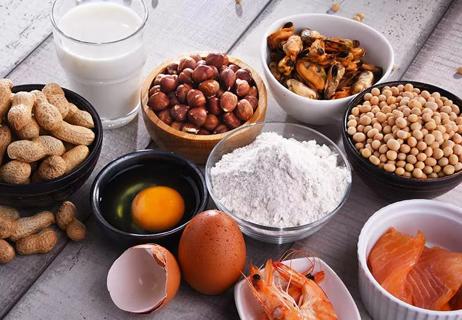
In the pediatric age group, the most common allergies are to milk and eggs. Peanuts and tree nuts are also common allergy triggers, as well as soy, wheat, fish and shellfish.
Sesame is an emerging concern in the United States, and the Food and Drug Administration (FDA) recently added this as a required allergen on packaged foods, similar to what you see in the grocery store on labels for milk and eggs.
Parents often tell me how scared they were the first time their child had a reaction, and that’s very understandable. If you have reason to suspect your child is having a serious food allergy reaction, take a deep breath. You know your child better than anyone else in the world. If you are really, truly worried, then get them to an emergency room. Call EMS (emergency medical services) and tell them that you have a child who is potentially having a food allergy reaction so that they send the right kind of emergency medical services to your home. Or, if you live within reasonable driving distance to a hospital, just get them there quickly yourself.
Advertisement
Very mild reactions such as a few hives can be sometimes treated with antihistamines like Zyrtec®, which can help a child feel better as the reaction goes away. But for anything more serious, we recommend epinephrine and treatment with emergency medical services.
If your child does indeed have a food allergy, make sure you’re taking the proper precautions for them at school and on play dates as well.
— Pediatric allergist/immunologist Jaclyn Bjelac, MD.
Advertisement

Sign up for our Health Essentials emails for expert guidance on nutrition, fitness, sleep, skin care and more.
Learn more about our editorial process.
Advertisement

Knowing where peanuts can hide — and making a habit of checking every package and reading every label — can help protect your child
Knowing the signs of anaphylaxis — and what to do — can help you act quickly when every minute matters
New treatment offers hope for outgrowing the life-threatening condition
More than 90% of allergic reactions can be linked to these foods

Be prepared, read up, team up, trust your gut and advocate

Try foods first to see if your child has a reaction
Symptoms can be similar, but affect your body in distinct ways
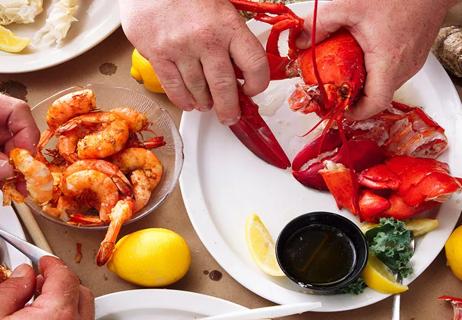
Shellfish is the top food allergen in adults
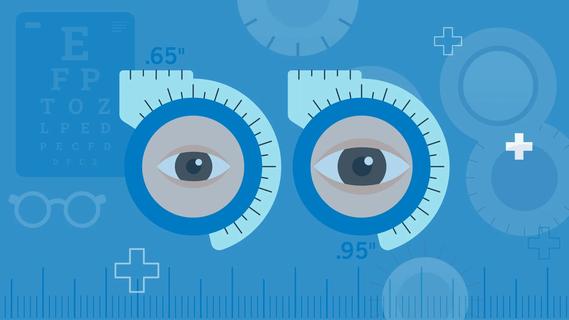
Eyes typically increase to full size during two growth spurts in childhood
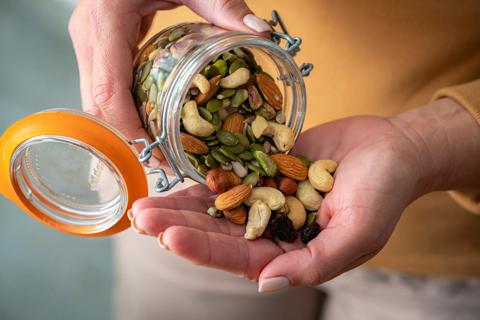
To start, opt for calorie-dense foods that are rich in protein and healthy fats
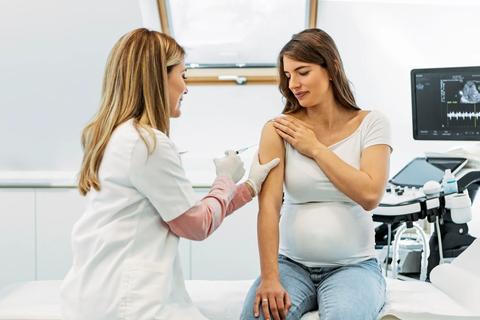
Pre-birth injections and monoclonal antibodies can help prevent serious complications
 Search










