Locations:





 Search
The risk is less, but sunscreen is never a bad idea

Let’s be clear right from the start: No matter what color your skin is, if you’re exposed to the sun, there’s a possibility that you can get skin cancer.
Advertisement
Cleveland Clinic is a non-profit academic medical center. Advertising on our site helps support our mission. We do not endorse non-Cleveland Clinic products or services. Policy
“But, darker skin tends to have more of a pigment called melanin to protect from the sun’s harmful rays,” says dermatologist Angela Kyei, MD. “That doesn’t mean people with dark skin can’t get skin cancer. They can and they do – just not at as high rates as fair-skinned people.”
Despite the sun protection that additional melanin offers, Dr. Kyei says African Americans tend to suffer more melanoma deaths than any other ethnic group. But it’s not because skin cancer is harder to detect in darker skin.
“The problem is that moles in dark-skinned people don’t get checked as often because of the misconception that they don’t get skin cancer,” she says.
People with darker skin also tend to get skin cancer in different locations than those with fair skin. “For example, in African Americans and Asians, we see it more often on their nails, hands and feet,” Dr. Kyei says. “Caucasians tend to get it more in sun-exposed areas.”
For the most part, skin cancer is treated the same way whether your skin is darker or lighter. It often begins with surgery to remove the cancer.
However, taking additional precautions can reduce scarring in people with darker skin, as they tend to suffer from thick scars known as keloids.
Advertisement
“If a patient comes to me with basal cell carcinoma, which is the most common type of skin cancer, I ask about any previous experience with scars,” Dr. Kyei explains. “The reason I ask that question is that I don’t want someone to end up with a thick scar somewhere noticeable like their face. If you’re someone who tends to get thick keloids and your cancer is very superficial and not high-risk, we might start with a chemotherapy cream as an initial treatment method instead of surgery.”
Despite the potential for scarring, surgery is the only treatment method for melanoma. “Melanoma is deadly,” Dr. Kyei says. “It has to be cut out no matter what.”
Injected steroids can sometimes help minimize scarring.
Dr. Kyei says people with darker skin often ask her if they need sunscreen.
“That’s a controversial question,” she says. “It depends on who you ask. If you look at African Americans in general, they’re all different colors. If you’re on the lighter side of the spectrum, you’re more likely to need a sunscreen.”
“My stance is that it’s never wrong to wear sunscreen. It can only help.”
The potential for vitamin D deficiency is one of the reasons why those with darker skin might hesitate to use sunscreen.
“If your skin is dark, you tend to be low in vitamin D because you block more of the sun,” Dr. Kyei says. “But you can always take a vitamin D supplement.”
Advertisement

Sign up for our Health Essentials emails for expert guidance on nutrition, fitness, sleep, skin care and more.
Learn more about our editorial process.
Advertisement
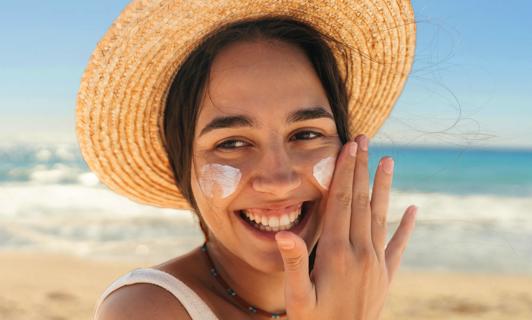
Wear sun-protective clothing, apply sunscreen every day and avoid tanning to help reduce your risk
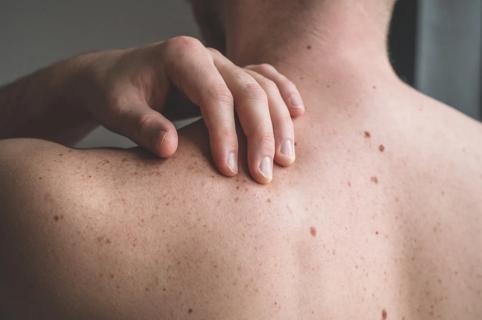
During an annual exam, your provider will check for any moles or spots that have changed in size, color or shape

Family history matters for melanoma, but the connection isn’t as strong for other skin cancers
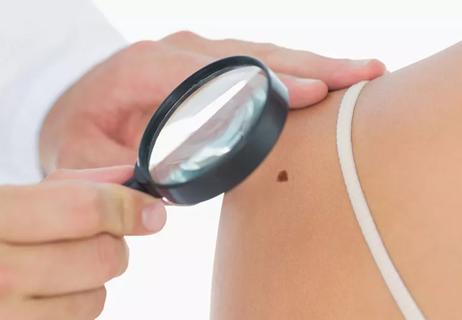
Both skin cancers are increasingly affecting younger populations
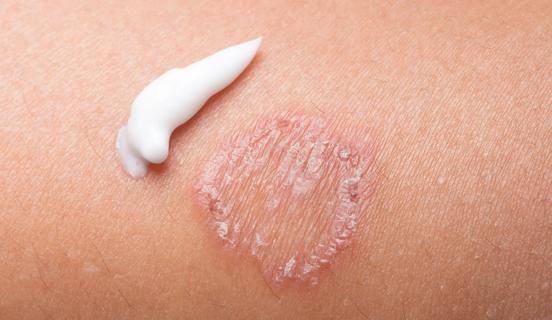
Over-the-counter antifungal creams usually get the job done, but it’s important to keep it from spreading in the meantime
Although it could be used as a moisturizer, this new trend is not recommended

The popular skin care ingredient can help smooth, brighten and strengthen your skin

It’s a great disinfectant for around your home, but not for your skin

The tropical fruit is a good source of antioxidants and vitamin C

Most people fall asleep within 10 to 20 minutes, but if your experience is different, adjusting your sleep schedule may help

Exploring your hidden side can lead to better understanding of what makes you tick











