Locations:





Your fertility, menstrual cycle and period symptoms can return quickly
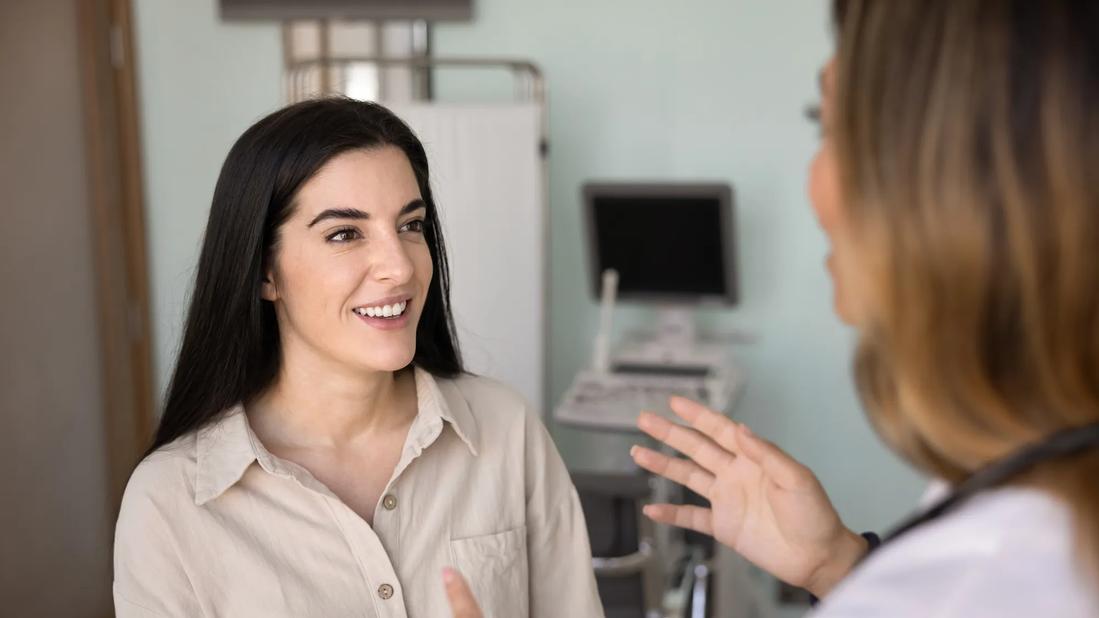
Image content: This image is available to view online.
View image online (https://assets.clevelandclinic.org/transform/7d9bbc5a-f71a-4d65-805f-1d4604229605/female-patient-with-doctor-2238854986)
Female patient talking with healthcare provider
Maybe you’ve taken birth control pills for years, and you’re now ready to try to get pregnant. Or maybe you’re interested in using another form of contraception.
Advertisement
Cleveland Clinic is a non-profit academic medical center. Advertising on our site helps support our mission. We do not endorse non-Cleveland Clinic products or services. Policy
Whatever your reason, you may wonder what happens when you stop taking birth control pills, especially if you’ve been on them for a long time.
The short answer? It depends.
“The pill is a type of hormonal medication,” says Ob/Gyn Salena Zanotti, MD. “Everyone reacts differently to going on the pill and then coming off it. You may notice big changes, or very little difference.”
When you stop taking the pill, your body begins returning to its natural cycle. That means you can get pregnant right away. It can also change your period, mood and sex drive.
Here’s what you may experience.
This is perhaps the most important thing to know: You can become pregnant very soon after stopping birth control.
The hormones from the pill leave your body within days. That means you can ovulate (release an egg) and get pregnant very soon after.
“There are some who go off the pill and never even get a period because they get pregnant right away,” Dr. Zanotti shares.
If pregnancy isn’t your goal, have another method of contraception ready when you stop taking the pill. That could be barrier methods, like condoms, an IUD or another reliable method.
Your menstrual cycle might pick up right where it left off without much fuss. Or it may take some time to fall into a predictable pattern.
Advertisement
You may begin having regular periods soon after stopping the pill, or you may not have a period for the first few months.
If your period hasn’t returned after three months of being off the pill, Dr. Zanotti recommends making an appointment with a women’s healthcare provider.
And if there’s a possibility you could be pregnant, take a pregnancy test.
The pill may have come with lighter, shorter and easier-to-predict periods. After stopping birth control, your natural periods may feel like quite a change.
“Once those hormones are gone, you might notice a change in flow and duration,” Dr. Zanotti says.
Your cycle may be less predictable. And you may have heavier or longer periods.
In many cases, this isn’t a new problem caused by stopping birth control.
“The pill can override your natural menstrual pattern,” she explains. “Once you stop taking it, that old pattern can return.”
There’s a reason healthcare providers prescribe birth control for more than preventing pregnancy.
“Many women go on birth control to help with premenstrual symptoms, like cramps, bloating and nausea,” Dr. Zanotti notes. “If that was the case before you started taking the pill, those side effects will probably return after you stop taking it.”
You might also notice PMS symptoms like breast tenderness, mood changes or irritability before your period. If you experienced menstrual migraines before taking birth control, those may return, too.
Stopping birth control pills may give your libido a boost, particularly if you had a lower sex drive while taking them.
“The pill can cause vaginal dryness,” Dr. Zanotti says. “Stopping it can change your natural lubrication and increase your libido.”
But there isn’t one universal response. Just as some women experience different sexual side effects while taking birth control pills, their experience after stopping them can be different, too.
If you take the pill, you don’t need to slowly reduce your dose or do a so-called “birth control cleanse.” You can simply stop taking it.
But a little planning can make the transition easier. Consider these tips:
Advertisement
If you’re considering stopping or switching your birth control method, talk with a healthcare provider. They can talk to you about what to expect and discuss other birth control options if you’re not planning to get pregnant.
Advertisement

Sign up for our Health Essentials emails for expert guidance on nutrition, fitness, sleep, skin care and more.
Learn more about our editorial process.
Advertisement
The Yuzpe regimen is less effective than other forms of emergency contraceptives, and it’s associated with more side effects
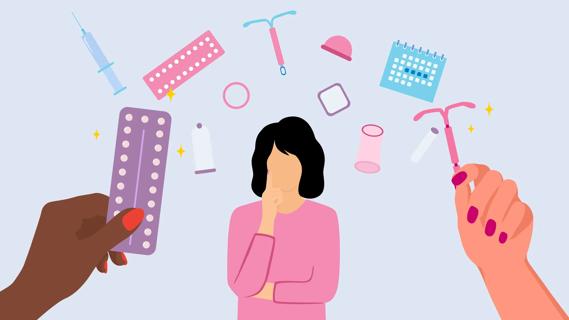
Both are about equally effective when used properly — IUDs are long-lasting and don’t require you to think about them

Birth control medications are more than 99% effective, but only when used properly
Today’s birth control pills don’t usually cause depression — but hormones affect everyone differently
No, you can’t prevent pregnancy by douching after sex, having sex standing up or having sex only at the ‘safe’ time
IUDs can make your period lighter, heavier, irregular or stop it completely
Birth control gel is simple to use and an effective method for preventing pregnancy
The scenarios vary based on how many pills you’ve missed and whether you take a combination pill or progestin-only pill
Hormonal changes, a slower metabolism and muscle loss can make weight gain more common around menopause — healthy habits can help you manage it

Life-threatening complications include sepsis, stroke, pneumonia and more
Fruity-smelling breath can happen when your body burns fat for energy, and in some cases, can signal a medical emergency
 Search










