Locations:





 Search
The herbal supplement continues to be sold amidst warnings about health risks
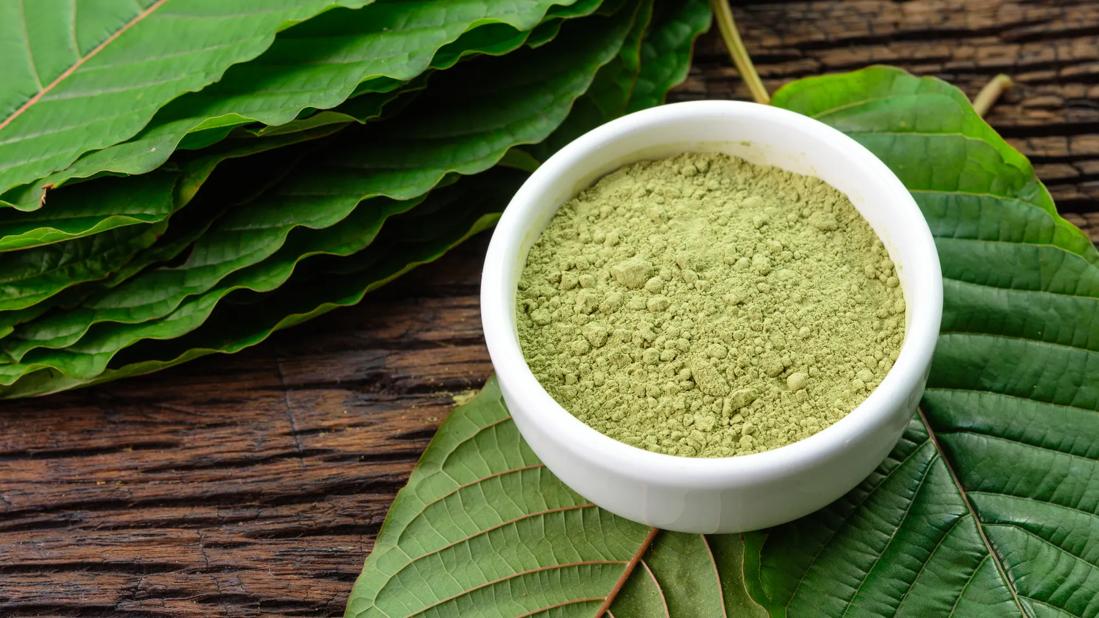
Image content: This image is available to view online.
View image online (https://assets.clevelandclinic.org/transform/fec3ca46-c30a-46c1-b441-c8964b36c540/kratom-928450752)
Kratom powder in small bowl, with kratom leaves nearby
Leaves from the kratom tree have chemicals that deliver mind-altering effects. Some see a benefit in that ability, which explains kratom’s use for pain relief, mood boosts and energy. Others see potential danger.
Advertisement
Cleveland Clinic is a non-profit academic medical center. Advertising on our site helps support our mission. We do not endorse non-Cleveland Clinic products or services. Policy
So, are kratom-based products safe? That’s a complicated question — but there are red flags that deserve your attention and caution, as integrative medicine specialist Yufang Lin, MD, explains.
Kratom is a tropical tree related to the coffee plant. The use of its leaves to fight fatigue and treat various conditions dates back centuries in Southeast Asia, Africa and island nations in the Pacific Ocean.
In the past few decades, kratom has gained popularity as an herbal supplement. Pills, powders and teas made from kratom can be found at convenience stores and online.
Low doses of kratom can act as a stimulant and make you more alert. Higher doses, on the other hand, can be sedating and possibly offer relief from intense pain (much like opioid medications).
The effects are related to two of the compounds in kratom (mitragynine and 7-hydroxymitragynine) that interact with opioid receptors and other mood-altering parts of your brain, explains Dr. Lin.
In 2022, it was estimated that more than 1.9 million people in the United States used kratom, according to a national survey by a branch of the U.S. Department of Health and Human Services.
Debate and concern surround the use of kratom, which is NOT lawfully marketed in the United States as a medication, dietary supplement or food additive, according to the U.S. Food and Drug Administration (FDA).
Advertisement
The FDA also warns against using kratom given its potential for harm, including liver toxicity, seizures and substance use disorder.
Six states in the U.S. ban kratom, while 16 other states have regulations restricting access, requiring warnings or limiting the strength of the compounds. Some individual cities and counties have adopted kratom bans, too.
Globally, kratom is illegal or restricted in more than a dozen countries, including parts of Europe, Japan and Russia.
Kratom is viewed as a “drug of concern” by the U.S. Drug Enforcement Administration (DEA). (The agency started the process to criminalize possession of kratom in 2016 but withdrew the plan following public comment.)
On the flip side, there also has been movement in the U.S. to “protect access to kratom” through several bills introduced into Congress.
People who turn to kratom-based products for self-treatment do so for a variety of reasons, but — to be clear — the DEA emphasizes that “there is no legitimate medical use” for kratom in the U.S.
The National Institute on Drug Abuse (NIDA) reports that research is being done to explore possible benefits. But as of yet, NIDA says researchers haven’t found kratom to be “safe and effective.”
Anecdotally, people say they use kratom for:
Side effects from using kratom range from mild to severe and — in rare cases — even death, according to NIDA and other agencies.
Mild effects of kratom can include:
More serious side effects of kratom use can include:
In addition, neonatal abstinence syndrome has been documented in infants birthed by people who regularly used kratom.
Safer options that have been medically reviewed exist to address any of the conditions often connected to kratom use, states Dr. Lin. Talk to your healthcare provider about what might work for you.
Advertisement
Self-treating with kratom isn’t worth the risk given the associated health concerns, she emphasizes.
In addition, oversight of kratom supplements isn’t as stringent as prescription or over-the-counter medications. That makes it difficult to know exactly what you’re getting in quality and concentration.
“Just because kratom is considered ‘natural’ doesn’t mean that it’s safe,” stresses Dr. Lin. “When you consider everything, you’re better off not using kratom in any form.”
Advertisement

Sign up for our Health Essentials emails for expert guidance on nutrition, fitness, sleep, skin care and more.
Learn more about our editorial process.
Advertisement
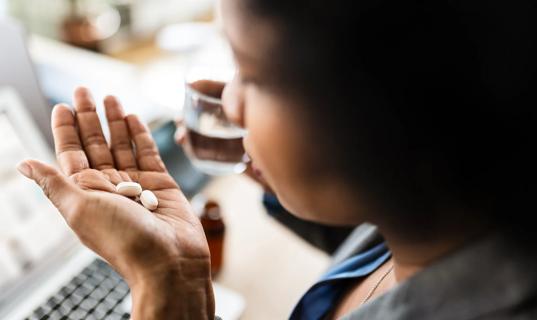
‘Opioids’ is a catchall term for opiates and other drugs that cause similar opioid-like effects
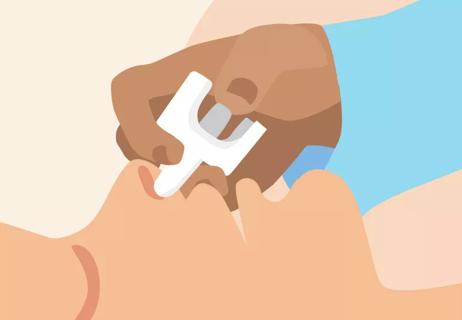
The nasal spray has the power to reverse the effect of opioids
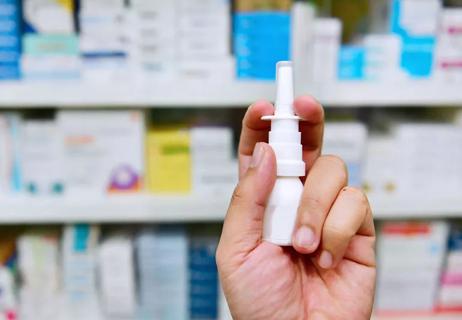
The result is a huge win for anyone at risk of an opioid overdose
An innovative treatment option may be possible
This naturally occurring nutrient supports energy and heart health, but supplements aren’t necessary for everyone
The steroid medication may raise your blood pressure and cause heart palpitations

These targeted therapies tamp down specific parts of your immune system to help lower inflammation in your colon
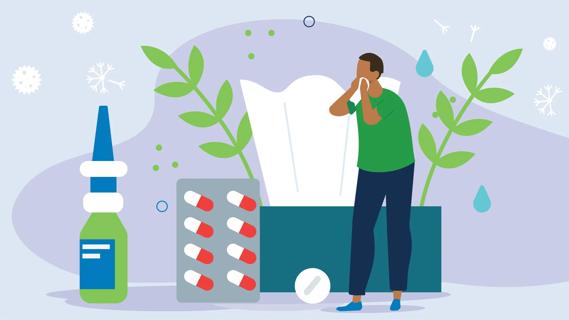
The right choice for you depends on your symptoms, but options like nasal sprays and antihistamines can offer relief

Blue light-filtering glasses may help some people sleep better, but they don’t prevent eye strain and aren’t needed for eye health

Avoiding outside messaging may be difficult, but you can change how you think about T2D

The term refers to how long it takes you to fall asleep, which can be a key factor in overall sleep quality











