Locations:





Some diets shun them, but research hasn’t concluded that they’re harmful
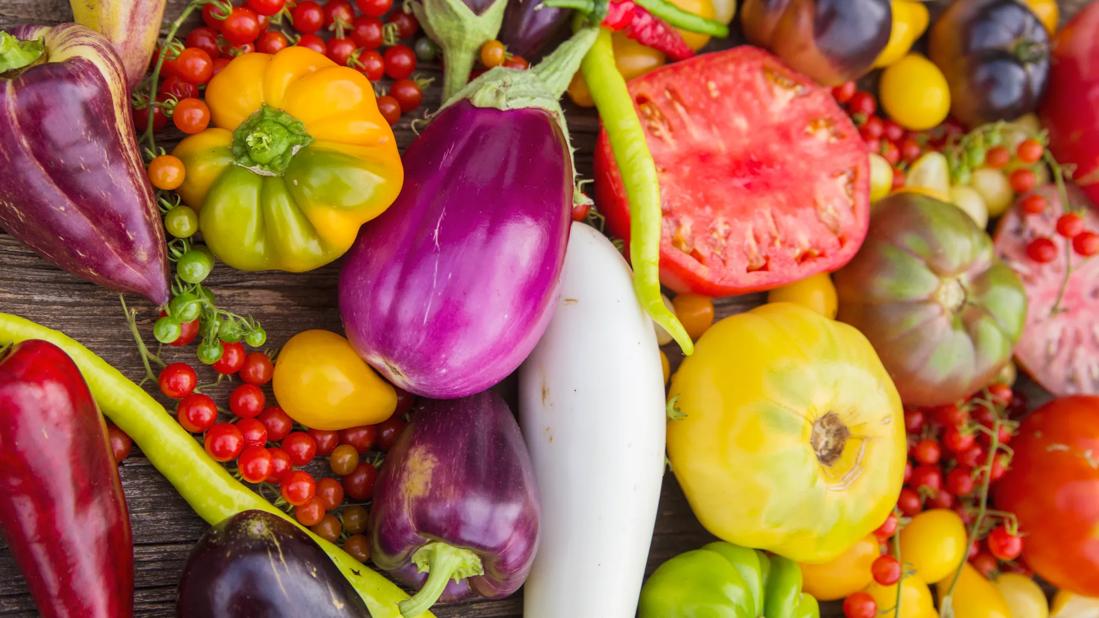
Image content: This image is available to view online.
View image online (https://assets.clevelandclinic.org/transform/6aabe4f3-f678-4178-8c96-518e3dfc6837/night-shade-vegetables-1335081039)
Assortment of nightshade vegetables, including eggplants, tomatoes and peppers
Nightshade vegetables — think tomatoes, potatoes and eggplants — tend to get a bad reputation. Some people think they can cause inflammation, but there’s no proof that’s the case.
Advertisement
Cleveland Clinic is a non-profit academic medical center. Advertising on our site helps support our mission. We do not endorse non-Cleveland Clinic products or services. Policy
So, should you avoid nightshades or are they OK to eat? Registered dietitian Julia Zumpano, RD, LD, explains what we know about nightshades.
Nightshades are a botanical family of foods and spices that contain chemical compounds called alkaloids.
Common edible nightshades include:
These vegetables in the nightshade family (some of which are actually fruits) are highly nutritious staples in many cultures.
A single bell pepper, for example, contains well over the recommended daily amount of vitamin C, and tomatoes are a major source of the antioxidant lycopene, which some studies have associated with decreased risk of certain types of cancer.
The jury is still out.
Remember how nightshades contain small amounts of alkaloids? Alkaloids can be dangerous in large doses. In fact, there are many other plants in the nightshade family that are poisonous to humans (like, ahem, tobacco).
Even though they contain low levels of alkaloids, edible nightshades might, to some people, seem guilty by association. And some people also seem to think they promote inflammation — the root of many health problems.
Advertisement
While there haven’t been any large-scale studies demonstrating this, some diet plans exclude nightshades, claiming that people report feeling better when they don’t eat them.
But that doesn’t mean everyone should be cutting them out of their diet.
“A food sensitivity is very patient-specific and can often be a symptom of another imbalance rather than a permanent problem with that food,” states Zumpano.
While there’s no concrete evidence that nightshades are harmful, Zumpano says people with inflammatory or autoimmune conditions like arthritis, psoriasis and possibly inflammatory bowel disease may benefit from reducing how many nightshades they eat.
“If nightshades are a trigger for inflammation, it’s typically a message that there is an underlying imbalance perpetuating chronic, low levels of inflammation, and nightshades are just fuel for the fire,” she clarifies.
Also, just like any food, it’s possible to be intolerant to nightshades. If you think you have a sensitivity to nightshades, Zumpano recommends cutting them out for a few weeks while keeping a close eye on symptoms to test for tolerance.
“If avoiding nightshades improves symptoms, then your healthcare provider can determine the root cause of inflammation and likely help you improve your tolerance to nightshade foods over time,” she says.
For most people, there’s no need to avoid nightshades, as studies haven’t linked them to negative health consequences.
“These foods are incredibly healthy and offer more health benefits than costs,” Zumpano says.
If you prefer to eliminate nightshades, it’s important to make sure you’re still getting important vitamins and antioxidants from other sources.
Zumpano recommends using beets to make a “no-mato” sauce, swapping white potatoes for sweet and using Italian spices like basil, thyme and rosemary instead of cayenne or paprika.
“Nightshades are a group of foods that offer many health benefits. If you notice they increase symptoms of inflammation, cut them out of your diet for a few weeks to determine if they’re a trigger,” says Zumpano. “Then, you can add them back in slowly, one food at a time, to assess tolerance. Talk to a dietitian to help you find the eating plan that is best for you.”
Advertisement

Sign up for our Health Essentials emails for expert guidance on nutrition, fitness, sleep, skin care and more.
Learn more about our editorial process.
Advertisement

Don’t underestimate the power of a pause
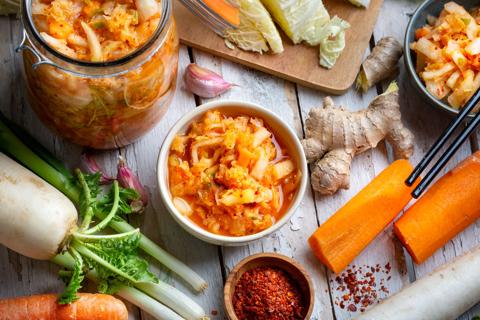
From sauerkraut to kimchi, these foods can help keep your gut healthy

This famously funky-smelling fruit is packed with fiber, vitamins and minerals
Choosing snacks with protein can help curb hunger, support muscle health and keep your energy steady between meals

The best choices are high in omega-3s and protein and low in mercury

Look for foods with a variety of nutrients that last a long time and work in multiple meals — like legumes, whole grains and frozen or canned produce
Prepping ingredients ahead of time, rethinking your snacks and making smart protein swaps can up your daily intake

The traditional hot dog isn’t exactly a nutritious choice, but that doesn’t mean you can’t enjoy one here and there

Managing your weight through physical activity may lower your chances of getting this common cancer

It typically starts in October and winds down in early spring, with cases at their highest in the middle of winter

Anxiety disorders, health conditions and past trauma can make driving nerve-wracking — help is available
 Search










