Locations:





At-home remedies may help calm symptoms and make it easier to relax at bedtime
Restless legs syndrome (RLS) can make it impossible to get comfy after you lie down in bed. Your legs may start tingling, twitching or demanding to move — which doesn’t exactly bring on sweet dreams.
Advertisement
Cleveland Clinic is a non-profit academic medical center. Advertising on our site helps support our mission. We do not endorse non-Cleveland Clinic products or services. Policy
What can you do to keep your legs still and catch some ZZZs? Let’s find some solutions with sleep medicine specialist Aparna Bhat, MD.
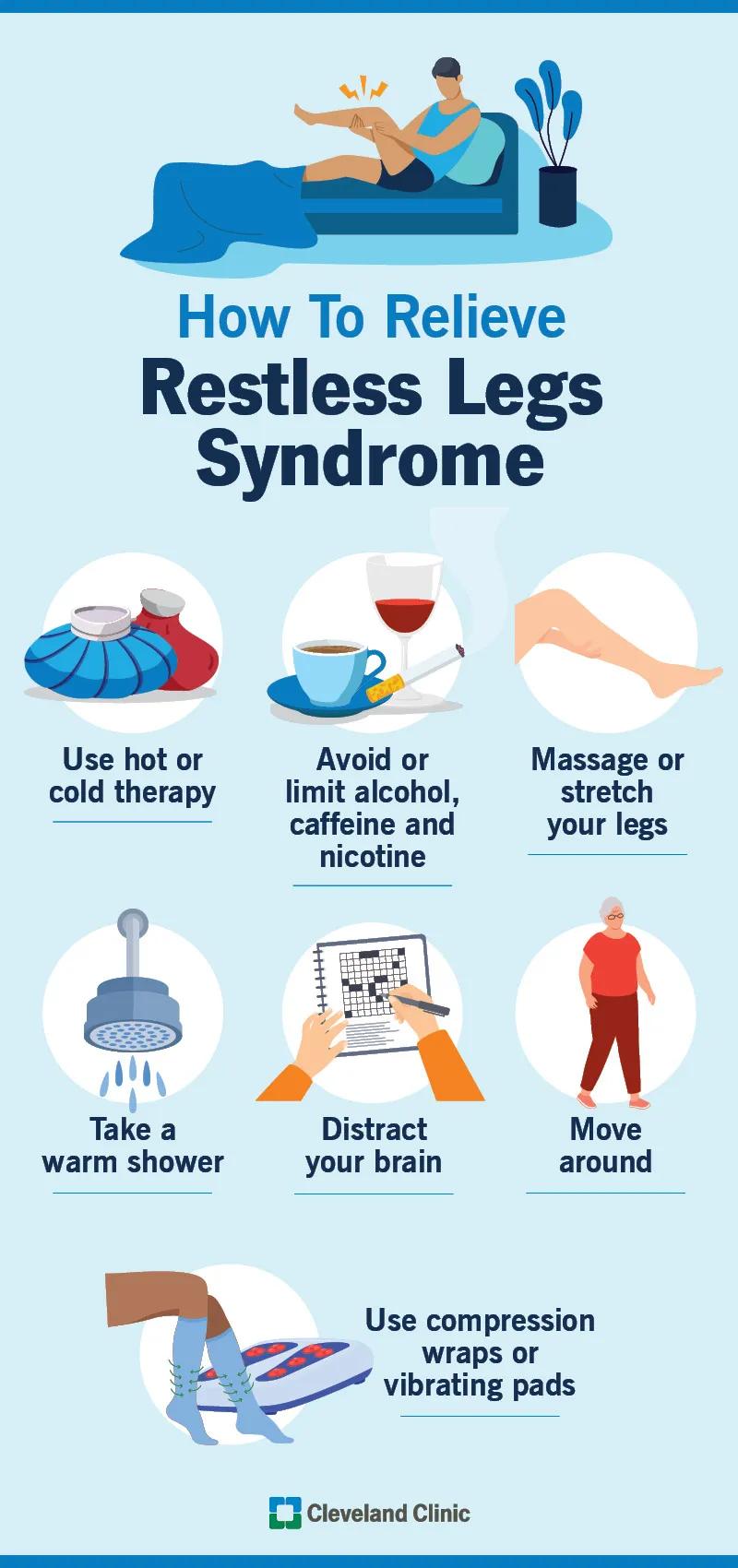
Image content: This image is available to view online.
View image online (https://assets.clevelandclinic.org/transform/01f2bab4-2f6c-4d05-b1b0-c5d590c6dee3/restless-legs-syndrome-infographic)
These natural home remedies may help stop restless legs immediately at night so that you can get some shut-eye.
Applying a heating pad or cold pack to your legs may help relieve restless legs symptoms. “Using heat or cold can bring a soothing sensation to distract from the unpleasantness of RLS," explains Dr. Bhat.
So, how do you decide which way to go on the temperature front? It often comes down to trial and error, as either can be effective. Basically, try both and use the one that works. (Pro tip: Most people have better results with warmth.)
Warm water can relax your muscles and improve blood circulation to limit restless legs. The soothing water can also help your body unwind before bed, which may make RLS symptoms feel less intense.
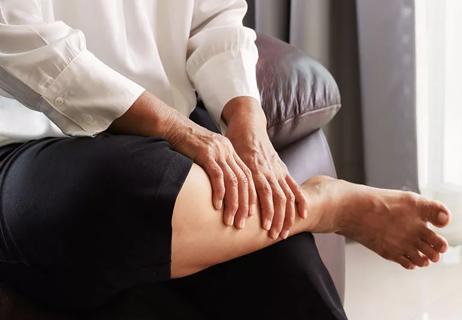
A gentle leg massage before bed can help ease discomfort and provide a distraction from the sensations that trigger the urge to move. Massaging your calves, thighs and feet may also be helpful if symptoms start ramping up.
Dr. Bhat says massage works to calm restless legs syndrome by:
Advertisement
Stretching your legs and feet can help loosen muscles and reduce the tightness and restlessness that come with RLS. “Many people find it can bring some immediate relief,” notes Dr. Bhat.
Slow, gentle and controlled stretches often work best. Intense and bouncy stretches may irritate muscles and worsen symptoms.
Restless legs syndrome often brings an urge to move. Responding to that impulse may quiet RLS symptoms.
Movement can offer temporary relief from flare-ups by stimulating muscles and nerves in a way that calms your legs. It doesn’t take much either: Short periods of activity — like walking around the room or flexing and extending your legs — can make a difference.
RLS is a neurological disorder powered by your brain. Given that, a mental distraction may help halt the movement. “Doing a crossword puzzle or something similar can distract your brain and move it away from creating those uncomfortable sensations,” suggests Dr. Bhat.
Compression wraps can apply pressure to specific muscles in your foot to calm overactive nerves and override signals that bring on restless legs. Ask a healthcare provider whether prescription wraps (like Restiffic® or Nidra®) might be an option for you.
Vibrating pads placed under your legs in bed can provide a competing sensory stimulus that counteracts RLS to reduce symptoms. Over-the-counter and prescription devices are on the market.
Home remedies can help in the moment, but longer-term strategies may also reduce symptoms over time. Here’s what you can do:
Advertisement
Home remedies and quick-relief tactics often help reduce restless leg symptoms. But if they don’t work for you, talk to a healthcare provider about other options.
“If you’re having restless leg symptoms several times a week and it’s impacting your ability to sleep and quality of life, reach out to someone,” advises Dr. Bhat. “There are options that can really help with symptom control.”
Advertisement

Sign up for our Health Essentials emails for expert guidance on nutrition, fitness, sleep, skin care and more.
Learn more about our editorial process.
Advertisement
Gradually increasing your training, choosing proper footwear and listening to your body can help keep shin pain from sidelining your workouts
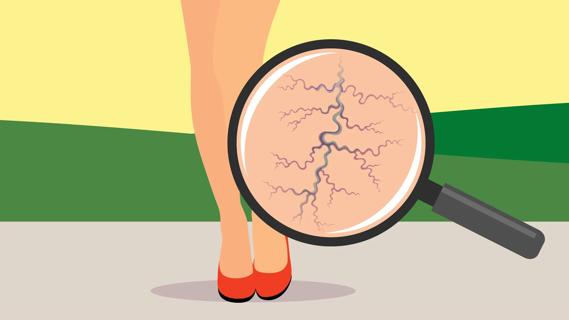
At-home treatments and lifestyle changes may help ease the symptoms and improve the appearance of varicose veins — but they aren’t a cure

Regular exercise, an iron-rich diet, adequate sleep and bedtime routines that include a warm bath or massage may help with your kid’s RLS
Unlike varicose veins, spider veins don't necessarily indicate poor circulation

Cardio can reduce the appearance of varicose veins, but only temporarily
It could be your feet need a rest, but swollen legs may also be a sign of a serious condition
Some symptoms should be taken seriously

Pain may signal a damaged nerve or herniated disk

Managing your weight through physical activity may lower your chances of getting this common cancer

It typically starts in October and winds down in early spring, with cases at their highest in the middle of winter

Anxiety disorders, health conditions and past trauma can make driving nerve-wracking — help is available
 Search










