Locations:
September 16, 2026/Health Conditions/Oral Health

Tips To Get Rid of Bad Breath: Quick Fixes and Long-Term Solutions

Good dental habits and staying hydrated can help, but persistent bad breath merits professional care
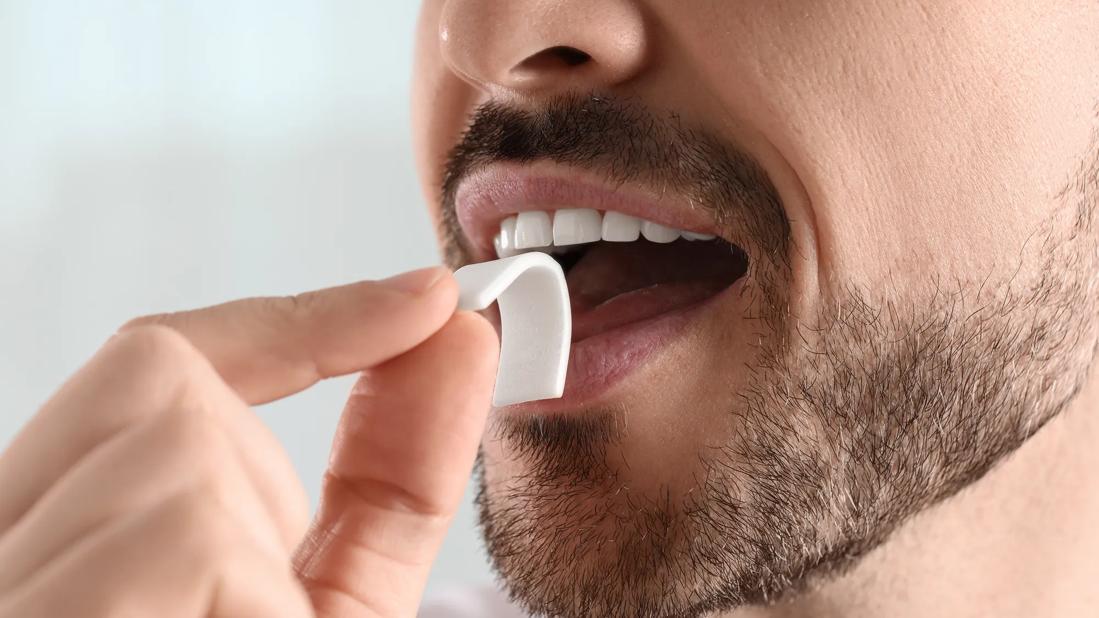
Person placing a stick of gum in their mouth

Garlic bread at dinner? A few too many cups of coffee? Sometimes, the source of bad breath isn’t a mystery. But if people tend to lean back when you lean in, popping a mint may not be enough to fix it.

Advertisement

Cleveland Clinic is a non-profit academic medical center. Advertising on our site helps support our mission. We do not endorse non-Cleveland Clinic products or services. Policy

Bad breath, also called halitosis, can have a number of causes. Often, bacteria, food debris and dry mouth are to blame. Other times, it can be a clue that something else is going on with your health.

What can you do about it? Dental hygienist Jasmine Girn, RDH, explains how to fix bad breath — in the moment and for the long haul.

Ways to get rid of bad breath

Bad breath can be embarrassing, and it’s only natural to want to find a fix.

Here are Girn’s tried-and-true solutions for fighting funky breath, including what to do in the moment and how to address the problem long term.

Immediate fixes for bad breath

Tuna salad sandwich following you to your afternoon meeting? When you’re in a bad-breath bind, a quick run to the sink to brush your teeth can make a big difference. If that’s not an option, these quick fixes can help:

  • Try gum or mints with xylitol. Girn recommends looking for sugar-free products made with xylitol, a type of sugar substitute. “It can help bring the acid level in your mouth back toward neutral,” she explains. Some recent reports have linked xylitol in foods to severe heart events, like heart attack and stroke. But that’s when it’s eaten in excess as part of your diet. A mint here and there isn’t the concern.
  • Swish some mouthwash. Mouthwash isn’t usually necessary as part of your dental hygiene routine. “If you brush and floss properly and scrape your tongue, you don’t really need mouthwash daily,” Girn clarifies. But if you want to give a swish to freshen things up in the moment, choose the right kind. For example, if you have dry mouth, skip mouthwashes with alcohol. They can dry you out even more.

Advertisement

Daily habits to manage bad breath

Gum, mints and mouthwash can make your mouth feel fresher. But Girn points out that masking bad breath and addressing the source of the smell aren’t the same thing.

If bacteria, plaque or bits of food are causing your bad breath, you need to physically remove them. And that starts with building healthy dental hygiene habits. Here’s what to do:

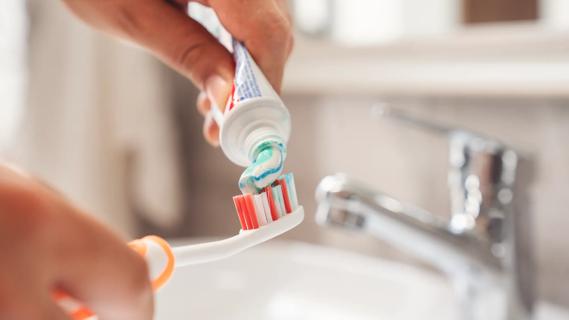
  • Brush thoroughly. Brushing your teeth helps remove the sticky film of bacteria that collects on your teeth and contributes to bad breath. Brush your teeth at least twice a day for a full two minutes, and make sure to brush every surface of every tooth.
  • Floss every day. Your toothbrush can’t clean everywhere. And stuck food is a recipe for less-than-fresh breath. Flossing gets into the spaces between your teeth where food and bacteria can become trapped.
  • Add a water flosser to your routine. A water flosser can help clean out those hard-to-reach areas. “Water flossers are a big help, but they don’t replace flossing and brushing,” Girn says. “It’s just something else to add to the mix.”
  • Clean your tongue. Your teeth aren’t the only place bacteria can hang out. Your tongue can develop a coating, particularly toward the back, that can contribute to bad breath. A tongue scraper may help you get that stuff off better than your toothbrush.
  • Stay hydrated. Saliva helps keep your mouth moist, so when you don’t have enough of it, bad breath can follow. Sip water regularly to keep your mouth hydrated.

Longer-term solutions for bad breath

Bad breath isn’t always a matter of a pungent meal or less-than-stellar hygiene. If your breath is consistently making you self-conscious, there may be something else going on behind the scenes.

If you’re in a constant battle with bad breath, here’s what can help:

  • Stay away from tobacco. Add bad breath to the long list of reasons to avoid smoking. Sure, lighting up can make your breath rank in the moment, but its effects linger, too. Smoking or vaping can contribute to dry mouth, and tar and nicotine can stick to your teeth, gums and tongue, where it becomes a breeding ground for bacteria.
  • Manage dry mouth. A dry mouth can be a smelly mouth. Drinking plenty of water can help, but it may take more than that. Special mouth rinses, gels or sprays formulated for dry mouth can help keep your mouth moist, even overnight.
  • See a dentist regularly. Regular dental care does more than keep your pearly whites sparkling. Your dental team can help you manage troubles that may be contributing to bad breath, including chronic dry mouth, gum disease, cavities, tooth abscesses and areas where food is becoming trapped.
  • Talk with a primary care provider (PCP). Sometimes, bad breath is a sign of something going on outside of your mouth. Infections, acid reflux, diabetes and other conditions can affect your breath. Certain medications can, too. A PCP can help you get to the bottom of the issue and find ways to improve your breath and your overall health.

Advertisement

“If you’re doing all the right things and you’re still noticing bad breath, you don’t want just to keep masking it,” Girn advises. “You want to get to the source.”

So, step away from the mints, and talk with a healthcare provider. Your health — and anyone in talking distance — will thank you.

Advertisement

Cleveland Clinic icon
Health Essentials logo
Subscription icon

Better health starts here

Sign up for our Health Essentials emails for expert guidance on nutrition, fitness, sleep, skin care and more.

Learn more about our editorial process.

Related Articles

Person breathing into their hand to see if they have bad breath
September 16, 2026/Oral Health

How To Tell if You Have Bad Breath: 5 Signs

You may not be able to smell your own breath, but a bad taste, dry mouth and other clues can tell you when it may be less than fresh
Older person wrapped in blanket sitting on couch, coughing, sick

Tamiflu: When It Can Help and What To Know About Taking It

This antiviral medication can help curb symptoms and may shorten recovery time

Person stretching one leg forward and one leg back while reaching forward to hold yoga blocks
September 21, 2026/Orthopaedics

Popping Joints: Crepitus and What Causes It

Joint noises are common and usually due to normal body processes, but seek care if you also have pain or swelling

Hands of someone cracking their knuckles
September 21, 2026/Orthopaedics

Should You Crack Your Knuckles?

Popping your knuckles should be safe as long as you do it carefully

Older person lifting dumbbells at gym
September 21, 2026/Orthopaedics

9 Tips for Healthy Bones

Bone health starts with proper nutrition, exercise and healthy lifestyle changes

Two people sitting on couch, with one person comforting the other
September 18, 2026/Mental Health

The 5 Stages of Addiction Recovery

Addiction recovery tends to happen in phases, but the process isn’t always clear-cut

Person walking on beach in flip-flops
September 18, 2026/Orthopaedics

Are Flip-Flops Really Bad for Your Feet?

Not always — but wearing flip-flops too often for too long can leave your feet, legs and back feeling the strain

Person ladling chicken noodle soup into a bowl

What To Eat and Drink When You Have the Flu

Hydrating and focusing on nutrient-rich foods are key for recovery

Trending Topics

Person looking at face in mirror, seeing changes in their skin

How Taking a GLP-1 Medication Can Affect Your Face, Body and Overall Appearance

Rapid weight loss can cause loose skin, facial volume loss and body contour changes

Person sitting in chair with hand on tummy and hand on mouth, burping

Burping a Lot? These Could Be the Reasons Why

Swallowing too much air, certain foods and drinks, and digestive conditions can all make you belch more

People practicing safe hygiene to ward off sickness, like washing hands and disinfecting

Why Is Everybody Getting Sick?

From poor hand hygiene and ventilation issues to contaminated food, many factors can make infectious diseases spread quickly

Ad