Locations:





Here’s how pineapple boosts your health
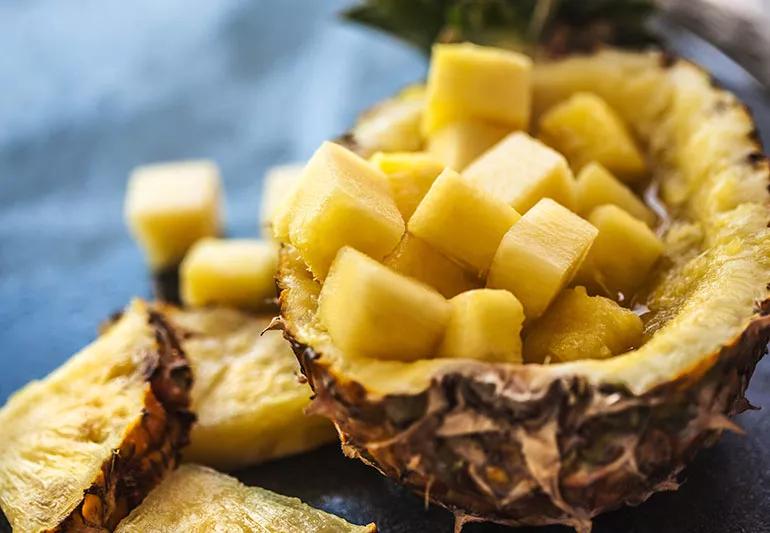
Image content: This image is available to view online.
View image online (https://assets.clevelandclinic.org/transform/8e5f4b64-5210-4bb7-aaeb-402affc17d3d/BenefitsOfPineapple-955346588-770x533-1_jpg)
A close up image of diced pinapple slices
Don’t let that spiny skin intimidate you. Pineapple is sweet enough to rival most candies — and it packs way more health benefits. Registered dietitian Julia Zumpano, RD, LD, talks about how this tasty tropical fruit boosts your health.
Advertisement
Cleveland Clinic is a non-profit academic medical center. Advertising on our site helps support our mission. We do not endorse non-Cleveland Clinic products or services. Policy
Pineapple is low in calories and high in vitamins and minerals. One cup of pineapple chunks will deliver:
“Pineapple is the only food known to contain bromelain, an enzyme that helps your skin and tissues heal,” Zumpano shares. “Bromelain appears to produce substances that combat in pain and swelling.”
Advertisement
Consuming bromelain from pineapple might also help your skin heal after surgery or injury.
“Inflammation is a natural process that occurs in our bodies to help fight off illness,” Zumpano explains, “but too much inflammation, especially over long periods, can lead to conditions like rheumatoid arthritis and cancer.” The anti-inflammatory power in bromelain can help fight inflammation and may suppress the growth of certain tumors.
Of course, eating pineapple isn’t a cancer-free guarantee. “But eating lots of colorful fruits and vegetables, including pineapple, is a good way to help prevent cancer and other health conditions,” Zumpano says.
Here’s another reason to make pineapple your go-to dessert: Pineapple contains a significant amount of fiber, which is associated with better digestion. Bromelain is also thought to aid in digestion, though there’s not enough scientific evidence to say for certain.
The anti-inflammatory power of pineapple’s bromelain may provide pain relief for people with osteoarthritis. “If you have achy joints from osteoarthritis, try adding pineapple into your diet,” Zumpano suggests, “but don’t stop taking your medications or change your dose without talking to your doctor.”
Most weight loss experts recommend a diet rich in fruits and vegetables if you’re trying to shed pounds. But pineapple could be your diet’s BFF (best fruit friend) because its enzymes just might help with fat burning.
“The studies on pineapple as a weight-loss aid are only animal-based, so we need more evidence of this claim,” Zumpano notes. “But adding some of this healthy fruit to your diet certainly couldn’t hurt.”
When your muscles work hard, they produce inflammation — leading to that inevitable soreness that can sideline you for up to three days. But popping pineapple into your post-workout smoothie might help you get back to your training regimen a little sooner. “The anti-inflammatory power in pineapple could soothe muscles and may help them recover more quickly,” Zumpano says.
Pineapple is a standalone snack once it’s cut into ring-shaped slices or chunks. But if you want to avoid cutting it, many grocery stores offer pre-cut pineapple. Frozen and canned pineapple are good options, too.
“Choose canned pineapple packed in its juice, not syrup,” Zumpano advises. “Pineapple is sweet enough on its own, so skip the added sugar when you can.”
Pineapple doesn’t have to go it alone either. This fruit also fits well into a variety of sweet and savory meals. These recipes provide some inspiration:
Advertisement
Pineapple’s impressive nutrition profile makes it a healthy dessert, side dish or anytime nosh. A one-cup serving (165 grams) offers just 75 calories without any cholesterol, sodium or fat.
While some of pineapple’s health claims need further study, there’s no denying it’s loaded with nutrients that can boost your well-being. Slice, chunk, grill or blend it — however you choose to eat it, enjoy adding this bright, tangy fruit to your diet.
Advertisement

Sign up for our Health Essentials emails for expert guidance on nutrition, fitness, sleep, skin care and more.
Learn more about our editorial process.
Advertisement
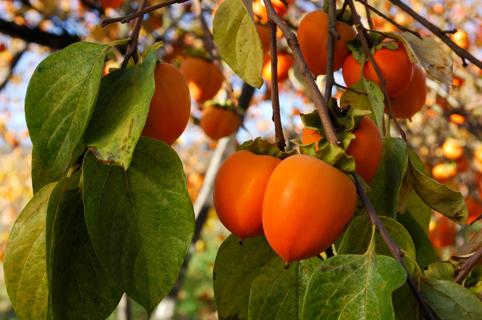
This East Asian and subtropical fruit is packed with delicious nutrition

This caffeinated South American tea contains antioxidants and other nutrients that may offer some health benefits
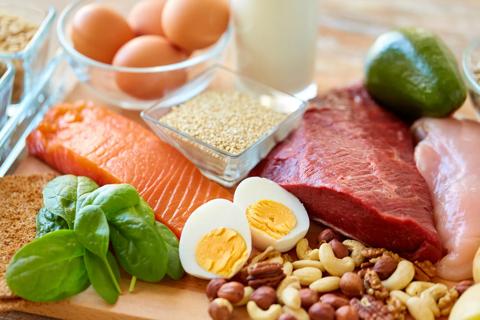
Lean meats, fish, dairy and plant proteins can help you meet your protein needs without piling on saturated fat and sugar
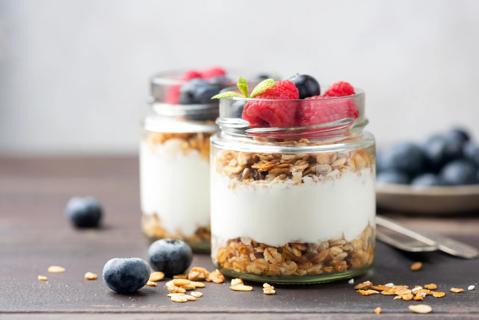
Choosing snacks with protein can help curb hunger, support muscle health and keep your energy steady between meals
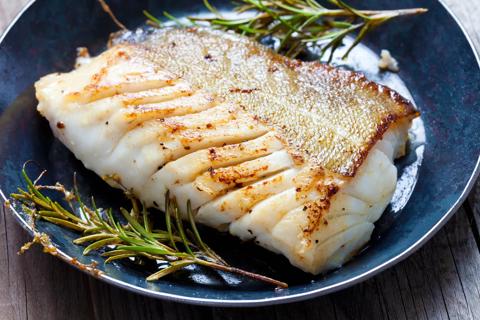
Fish packs plenty of protein, heart-healthy fats and other body-boosting nutrients into every bite
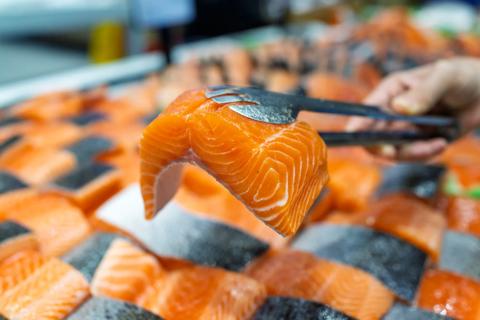
Both are healthy choices, but wild-caught salmon offers a few more benefits
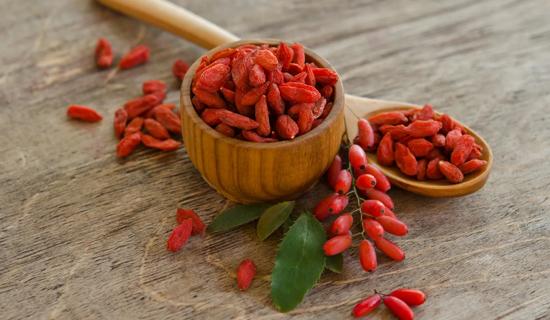
These bright berries are packed with nutrients and antioxidants that may support your eyes, immune system and overall well-being
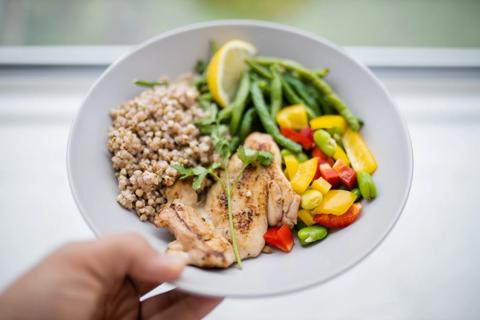
Prepping ingredients ahead of time, rethinking your snacks and making smart protein swaps can up your daily intake

Hormonal changes, a slower metabolism and muscle loss can make weight gain more common around menopause — healthy habits can help you manage it

Life-threatening complications include sepsis, stroke, pneumonia and more
Fruity-smelling breath can happen when your body burns fat for energy, and in some cases, can signal a medical emergency
 Search










