Locations:





The answer is yes — but there are things you can do to help boost your energy

Image content: This image is available to view online.
View image online (https://assets.clevelandclinic.org/transform/3578a53a-278e-4376-844c-0beb1b68d613/Breast-Cancer-Treatment-Tired-1386508957-967x544-1_jpg)
Female asleep on couch on backyard deck next to laptop and glasses
Breast cancer treatment can be exhausting.
Advertisement
Cleveland Clinic is a non-profit academic medical center. Advertising on our site helps support our mission. We do not endorse non-Cleveland Clinic products or services. Policy
That statement probably doesn’t surprise you. Nobody expects breast cancer to be easy, after all. But even if you go into treatment thinking it will be draining, the grueling reality of it can still be startling.
By some estimates, more than 90% of people with cancer experience fatigue during treatment. This isn’t just feeling tired. It’s about reaching a level of weariness that can make getting out of bed challenging.
So, what should you do if you have breast cancer and don’t feel like doing much of anything? Let’s talk it through with oncologist Tiffany Onger, MD.
Video content: This video is available to watch online.
View video online (https://cdnapisec.kaltura.com/p/2207941/sp/220794100/playManifest/entryId/1_mx5lj0v5/flavorId/1_5f3sgelj/format/url/protocol/https/a.mp4)
There isn’t one single reason why breast cancer and treatment lead to stretches of physical, emotional and mental fatigue. “It really can be due to any number of different causes,” explains Dr. Onger.
The list includes:
Advertisement
“Fatigue is hard to quantify and there isn’t a test that offers measurable data points,” notes Dr. Onger. “But it’s real and it can be a formidable challenge.”
Every person is different, so there’s no set timetable for when cancer-related fatigue lifts. It might last only a few days or weeks, says Dr. Onger. It could also extend for months or even years.
“One of the most important things I talk to my patients about is knowing that fatigue can happen,” she continues. “It’s natural to feel fatigued as your body works to heal. Give yourself some grace during this time.”
And know that eventually, it will get better.
When cancer fatigue hits during the day, it may arrive with the following feelings or symptoms (aside from overall tiredness and lack of energy):
So, what can you do to build energy and break through that cancer-related wall of fatigue? Let’s build a management plan to tackle your tiredness.
Keep track of when your energy levels seem at their highest and when they bottom out. The time of day or activities you were doing at those times may offer clues as to what you can do to improve your day-to-day routine.
As odd as it may sound, the solution to being less tired often starts with moving more.
“Exercise may feel like the last thing that you want to do — but it may be the most necessary,” emphasizes Dr. Onger. “Moving around helps to give your body the strength and energy it needs.”
That’s because exercise brings more oxygen to your muscles, which helps your body move and function better. Movement also causes your system to release energy-building hormones that offer an extra jolt.
Look to move your body in gentle ways: “Walk or stretch for five minutes … seven minutes … 10 minutes — whatever you can do,” encourages Dr. Onger. “Keep building a routine, day by day, and focus on getting stronger.”
Ideal activities include:
Advertisement
Make sure that you’re consuming enough calories, as well as the right sort of calories. A balanced diet loaded with fruits, vegetables, whole grains and lean proteins can help keep your energy levels high. It’s important to stay hydrated, too.
(Learn more about the best foods to eat if you have breast cancer.)
Creating a consistent bedtime routine and sleep schedule may help you get the restorative ZZZs your body needs. Try to limit daytime naps to an hour or less, so you’re ready for bed at night.
Talk to your healthcare provider if you can’t shake that feeling of exhaustion during your breast cancer recovery. They may suggest options like treatment adjustments, lifestyle changes or counseling to address the issue.
“What we want to avoid is someone lying in bed for 18 hours a day,” says Dr. Onger. “That’s not going to help you reach your treatment goal.”
Advertisement

Sign up for our Health Essentials emails for expert guidance on nutrition, fitness, sleep, skin care and more.
Learn more about our editorial process.
Advertisement

Managing your weight through physical activity may lower your chances of getting this common cancer
Not all breast lumps signal cancer, and not all breast cancer causes lumps — it’s important to know the facts
If you’re of Ashkenazi Jewish descent, these tests may be a reasonable starting point — but more thorough genetic testing can go much deeper
Breast cancer treatments can lower estrogen, which has a ripple effect on your bones
Breast cancer treatments can lower your fertility, but egg freezing and other preservation measures may be an option
Practical help and honest conversations can make a meaningful difference
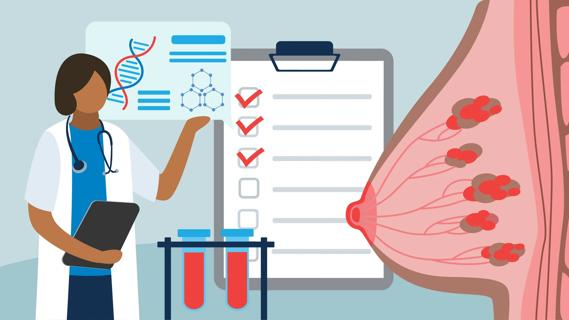
Your path lab report contains detailed information about your tumor — your care team can work with you to turn it into a care plan
Doctors look at stage, biology, genetic risk and more to recommend your treatment plan
Managing your weight through physical activity may lower your chances of getting this common cancer
It typically starts in October and winds down in early spring, with cases at their highest in the middle of winter
Anxiety disorders, health conditions and past trauma can make driving nerve-wracking — help is available
 Search










