Locations:





An ice pack and acetaminophen can help tame initial discomfort
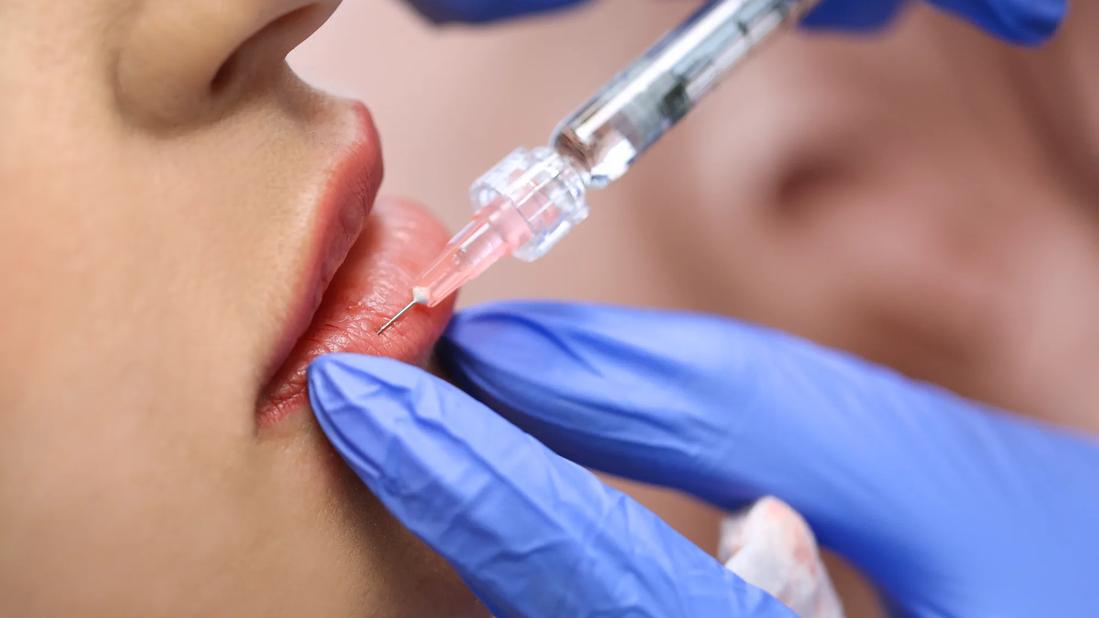
Image content: This image is available to view online.
View image online (https://assets.clevelandclinic.org/transform/15dd55fd-9ad6-4ac2-8d2c-afc70f5b5653/lip-filler-procedure-1555306451)
Needle being injected into lips by gloved hands
As you head out the door of your provider’s office, the numbing cream is wearing off and you can finally feel your lips again — your newly plumped-up lips, that is. After getting lip fillers, you’re probably feeling pretty excited to see the final results. But first, you’ve got to let them heal.
Advertisement
Cleveland Clinic is a non-profit academic medical center. Advertising on our site helps support our mission. We do not endorse non-Cleveland Clinic products or services. Policy
Dermatologist Taryn Murray, MD, explains what you need to know about lip filler aftercare, including what activities to avoid (spoiler: there aren’t many) and how to keep bruising to a minimum.
After you’ve gotten lip fillers, you’re likely to notice a little discomfort. Your lips could feel tender, sore or swollen, and you may experience some redness and/or bruising.
But luckily, it should all be short-lived, and soon, you’ll be able to enjoy an amped-up pout. In the meantime, here’s how to handle your healing.
“You can apply a cold pack to your lips for a few minutes at a time to help with those immediate side effects,” Dr. Murray advises. Just be sure to wrap your cold pack in a washcloth first, rather than applying it directly to your skin.
Dr. Murray says you can take a dose of acetaminophen (like the brand name version, Tylenol®) to help with any pain or discomfort right after getting lip fillers. It’s important to note that acetaminophen doesn’t thin the blood the way other oral nonsteroidal anti-inflammatory drug (NSAID) drugs do, so it won’t increase bruising after fillers.
Let’s say you got here by frantically Googling something like, “Can I wear lip gloss after lip fillers?” or “Can I use a straw after lip fillers?” or even “When can I kiss someone again after getting lip fillers?”
Advertisement
For starters: Take a breath. We’ve got answers for you. And you can get back to everyday life a lot sooner than you might expect.
“There are no restrictions on activities like wearing lip balm, eating, drinking, using a straw or kissing after getting lip fillers,” Dr. Murray says. “You may want to temporarily modify these behaviors based on the degree of discomfort you’re feeling afterward. But doing them won’t affect the outcome of the procedure.”
In other words, there’s no need to treat your lips like fine china after you’ve gotten fillers. They may be a little sore or swollen, so you might not want to pucker up to your partner or slurp from a straw until they feel A-OK again. But you don’t need to worry that you’ll somehow mess up your provider’s handiwork if you do.
Want to get in a brisk walk or do a little light yoga in the days after you’ve gotten lip fillers? No problem. But Dr. Murray says it’s best to hold off on going too hard during your workouts.
“We typically advise that people avoid vigorous exercise for several days afterward,” she says, “because it can make swelling and bruising worse.”
After you’ve gotten lip fillers, light bruising can appear in the spots where your provider used a thin needle to inject filler. Intense exercise can increase blood flow to the site of an injury, which may make bruising worse.
Hydration helps with healing (and does all kinds of other good things for your body), so after you’ve gotten lip fillers, top off your favorite water bottle and tote it around with you for the day. It’s a good habit to adopt in general!
You’re probably reading this after you’ve already gotten fillers, but on the off chance that you’re seeing it beforehand, take note: This advice applies to the pre-fillers planning period, too.
“To minimize your risk of infection, you shouldn’t have any dental work done for two weeks before or after filler injections,” Dr. Murray states.
It’s rare to experience severe side effects after getting lip fillers. But as with any procedure, it’s important to be on the lookout for possible signs that something is amiss, like:
“These could all be a sign of a vascular occlusion, or a blockage in your blood vessels,” Dr. Murray explains. “If you experience any of these, immediately contact your healthcare provider for an evaluation.”
A little bit of bumpy texture immediately after getting lip fillers is probably nothing to worry about. It can be normal to feel the filler in your lips when you touch them or press your lips together.
Advertisement
“To help smooth out the filler, we usually massage the lips slightly after injections and make sure we don’t feel any lumps,” Dr. Murray explains. “The filler is malleable for several days after injection, so lumps can still be smoothed out more in the few days after injection by massaging the areas.”
But lumps that are large, obvious, hard or painful — or that don’t go away after a couple days — should always be brought to your provider’s attention.
“After fillers, your lips should never look visibly lumpy or bumpy,” she adds. This can be a sign that your injections have been performed incorrectly.
When it comes to lip fillers, there’s good and bad news, depending on how you feel about the final product: They’re temporary. Filler dissolves on its own within six to 12 months, leaving your lips in their original state.
But if you don’t like the way your fillers look, or if you experience unexpected complications, your provider can speed up the process.
“If you don't like the outcome, lip filler can be dissolved with hyaluronidase, a substance that breaks down hyaluronic acid filler,” Dr. Murray reassures.
Before you make any decisions, though, here’s something important to know: It takes some time for lip filler to fully “settle” into its final look. So, be patient with the results.
Advertisement
Don’t be surprised when you look in the mirror right after your lip fillers and you don’t look the way you’d expected. Your lips might be temporarily swollen, red and/or bruised.
Even when the initial side effects have gone down, it can still take time for your filler to settle into its desired look — so, if you’re getting lip filler in the lead-up to a big event, like a wedding or graduation, be sure to get it done with enough time for your lips to heal and display the full effect.
“It usually takes two to four weeks for the swelling to fully resolve and the filler to integrate into your lip tissue,” Dr. Murray says.
Advertisement

Sign up for our Health Essentials emails for expert guidance on nutrition, fitness, sleep, skin care and more.
Learn more about our editorial process.
Advertisement
Due to risks of bruising, scarring and infection, these needle-free injectors should be avoided
Moisturizing, running a humidifier and adjusting your shower routine may help keep itchiness and irritation at bay

Excessive exposure to saltwater can dehydrate skin and hair, despite having a few benefits
Look for emollients, humectants and occlusives to hydrate, soothe and protect your skin
This multitasker can help keep your skin clear, support wound healing and disinfect surfaces around your home
This gentle facial cleanser removes dirt, oil and most makeup without drying out your skin
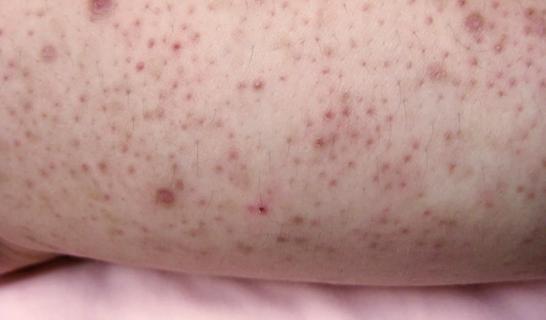
With time and patience and trial and error, you may be able to find relief from keratosis pilaris (KP) symptoms
Warm water, lotion, cooking oils or nail polish remover may all help to loosen the adhesive

Managing your weight through physical activity may lower your chances of getting this common cancer

It typically starts in October and winds down in early spring, with cases at their highest in the middle of winter

Anxiety disorders, health conditions and past trauma can make driving nerve-wracking — help is available
 Search










