Locations:





If you feel sick, it’s probably because of air quality — not your air conditioner
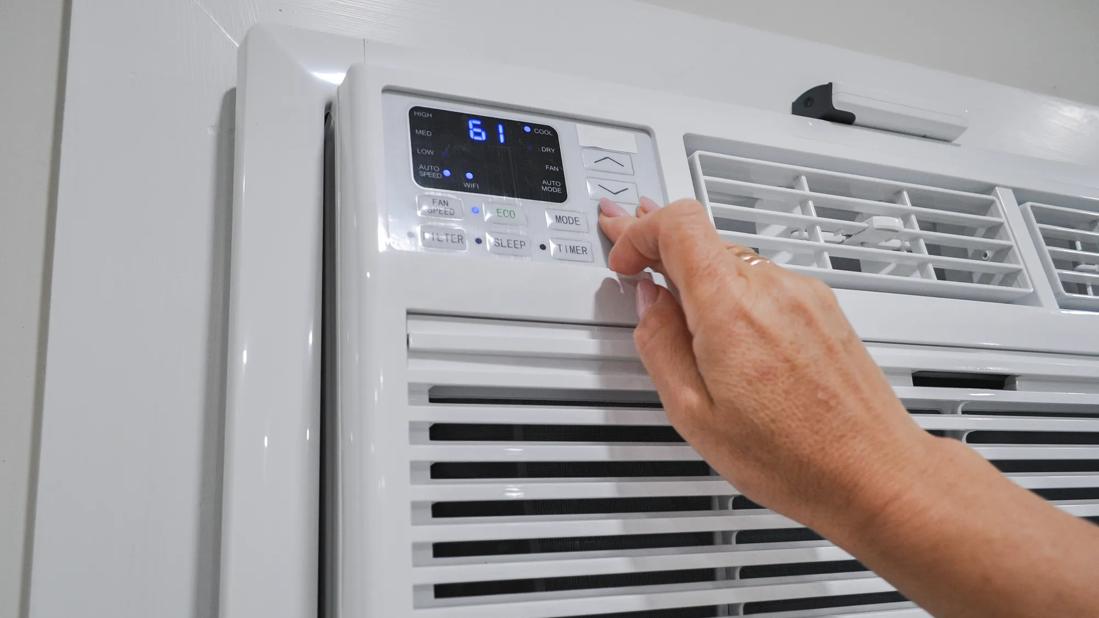
Image content: This image is available to view online.
View image online (https://assets.clevelandclinic.org/transform/1fa7765b-fd8e-46d7-bff7-4198eae6b8ee/adjusting-air-conditioner-temperature-2263974128)
Hand adjusting the temperature on AC unit
Have you ever walked into a building on a hot day and been blasted by arctic air — only to suddenly find yourself sniffling, sneezing and feeling generally crummy?
Advertisement
Cleveland Clinic is a non-profit academic medical center. Advertising on our site helps support our mission. We do not endorse non-Cleveland Clinic products or services. Policy
It happens to a lot of people. It’s common enough, in fact, that it has a name: air conditioning sickness. But can air conditioning make you sick, or is it just a myth?
We asked pulmonologist Neha Solanki, MD.
A properly maintained AC system is unlikely to make you sick on its own. But the atmosphere it creates — cooler air, lower humidity and recirculated indoor air — can sometimes influence your health.
“There’s nothing intrinsic about air conditioning that’s making you sick,” Dr. Solanki states. “It’s the atmosphere it creates that can lead to upper respiratory symptoms.”
It’s like when you feel sick when the weather fluctuates or the temperature outside suddenly changes. The world isn’t making you ill — your body’s just struggling to adapt to its new circumstances. Once it does, those symptoms will fade away.
Your AC unit performs several different functions that change the quality of the air you breathe. Even though those changes are positive, they can still cause cold and flu symptoms while your body’s adjusting.
Air conditioning units act as a:
Advertisement
You want your AC to change the conditions in your home — that’s why you have it! But when air quality shifts, your body’s bound to take notice.
Dr. Solanki shares the most common side effects of air conditioning.
Chilly air from an AC unit can dry out and irritate your airways, leading to respiratory symptoms, like:
“Your respiratory tract, from your sinuses down into your lungs, is very sensitive,” Dr. Solanki explains. “When the air is too cold or too dry, it can trigger an inflammatory reaction and make breathing more difficult, especially for people with conditions like asthma.”
A drop in temperature — and the corresponding drop in humidity — can dry out exposed skin and mucus membranes. In a heavily air-conditioned room, you may notice symptoms like:
If you’re already dehydrated, you may also notice symptoms like fatigue, headache, dry mouth and more.
Anybody can react to a sudden change in temperature and humidity, but you’re more likely to be sensitive to air conditioning if you have:
Dr. Solanki notes that you may also become more sensitive to the effects of air conditioning as you age.
“Older adults’ kidneys may not conserve water as effectively as they used to,” she says. “It’s also common for your sense of thirst to decline with age. So, older adults may be less likely to up their water intake in response to dry air. They may also avoid drinking extra fluids due to worries about needing to pee more often.”
Taken together, these factors can make fluid balance a challenge for people over 65 in air-conditioned spaces.
Hormones also play a part.
“Women tend to have higher rates of eye dryness and mucosal dryness because of hormone fluctuations. That can make being in low-humidity spaces more uncomfortable,” Dr. Solanki adds.
If you have allergies, air conditioning is both a friend and an enemy.
On the one hand, a good HVAC system filters out a lot of allergens in your home.
On the other hand, the constant churn of recirculated air means the allergens the filters don’t catch are always on the move. And if you aren’t maintaining your system, it can give rise to new ones, too, like mold.
“If you don’t have good filters in your air conditioning system, you’re just putting those allergens back into your living space on full blast,” Dr. Solanki warns.
Advertisement
“Air conditioner flu” isn’t a real illness. Yes, a sudden change in your atmosphere could kick off symptoms that mirror an upper respiratory virus. But Dr. Solanki clarifies that there’s no germ specific to air conditioners causing you to feel unwell.
If they don’t, you may be dealing with a real virus — not a case of air conditioning sickness.
If running your air conditioner leaves you feeling run down, there’s good news: Small changes can make a big difference for symptom management and your overall health.
“A lot of the variables that contribute to AC-related symptoms are actually controllable with home maintenance,” Dr. Solanki says.
You’re less likely to have a negative reaction to AC if you:
Advertisement
Climate control should be a source of comfort — not one of cold and flu symptoms. If running your AC still does more harm than good despite proper maintenance, talk to a healthcare provider. What feels like “air conditioning sickness” could be an underlying health issue.
Advertisement

Sign up for our Health Essentials emails for expert guidance on nutrition, fitness, sleep, skin care and more.
Learn more about our editorial process.
Advertisement

Open the windows, keep a clean house and consider putting in preventive features like carbon monoxide detectors

Though they release a small amount of VOCs into the air, there isn’t enough strong evidence to say they’re dangerous to your health

There’s no safe way to find, handle, repair or remove asbestos yourself — it’s always a job for a professional

Investing in a humidifier and keeping yourself hydrated can help you stay healthy despite dry air

Check the plastic and personal care products in your home for these hormone-disrupting chemicals
Lightning can strike indoors, even with plastic plumbing — and that includes in the shower
Most post-fire deaths occur because of smoke inhalation
Benefits may go beyond breathing

Hormonal changes, a slower metabolism and muscle loss can make weight gain more common around menopause — healthy habits can help you manage it

Life-threatening complications include sepsis, stroke, pneumonia and more

Fruity-smelling breath can happen when your body burns fat for energy, and in some cases, can signal a medical emergency
 Search










