Locations:





A variety of factors, including changes to your body as you age, may lead to new allergies later in life

Image content: This image is available to view online.
View image online (https://assets.clevelandclinic.org/transform/123a05fa-422c-41ca-b5c0-5d8edb629fb4/food-allergy-hives-arm-1602390039)
Hives on forearm, with possible allergy trigger foods on table, nuts, milk, eggs strawberries
Aging can bring a lot of changes to your body — including allergies that seemingly develop overnight. So, don’t be surprised if spring pollen suddenly sets off sneezing fits after never being an issue before.
Advertisement
Cleveland Clinic is a non-profit academic medical center. Advertising on our site helps support our mission. We do not endorse non-Cleveland Clinic products or services. Policy
Why does this happen? We asked allergists Lily Pien, MD, and Dylan Timberlake, MD, to explain what’s going on and what you can do about it.
Video content: This video is available to watch online.
View video online (https://cdnapisec.kaltura.com/p/2207941/sp/220794100/playManifest/entryId/1_3kmy7jba/flavorId/1_5f3sgelj/format/url/protocol/https/a.mp4)
Adults can develop new allergies as they age, and it’s more common if you have eczema or asthma. Adult-onset allergies are less likely to fade, too.
Most allergies begin in childhood. But it’s not unusual to start reacting to various triggers later in life. Adult-onset allergies are most common in your 30s and 40s. But they can appear at any age.
Multiple factors could drive the development of allergies, including:
Advertisement
In addition, some people are more prone to adult-onset allergies: “If you’ve had eczema or asthma — which both can be allergic conditions — you may be more likely to develop allergies later in life,” notes Dr. Timberlake.
So, what sort of allergies might become an issue for adults? Basically, the same types of allergies we talk about at any time of life, including:
Many allergic reactions occur right away, while others may be a bit more unpredictable or slowly build. Symptoms often depend on what you’re reacting to, but common signs include:
The only way to truly confirm an allergy is through testing. Talk to a healthcare provider about testing if you:
“New allergies may take three to five years to develop,” says Dr. Pien. “So, if you haven’t had an allergy test recently, your provider may want to perform one to help you identify any changes.”
Testing also helps sort out look-alikes — non-allergic conditions that mimic allergy symptoms, like chronic nose sensitivity or reactions to temperature changes. (And knowing you DON’T have allergies can help you get the right treatment for whatever is behind your symptoms.)
Once you know what’s behind your allergy symptoms, you can build a plan to keep them from popping up. Dr. Pien and Dr. Timberlake say there are three main tools:
Advertisement
There’s always a chance your body will outgrow allergies, but those that show up later in life tend to stick around. (Childhood allergies, on the other hand, often fade away.)
“But even if your allergies hang around, there are ways to treat them and deal with them,” reassures Dr. Timberlake. “Start that conversation with your doctor or allergist. We can help you out.”
Advertisement

Sign up for our Health Essentials emails for expert guidance on nutrition, fitness, sleep, skin care and more.
Learn more about our editorial process.
Advertisement
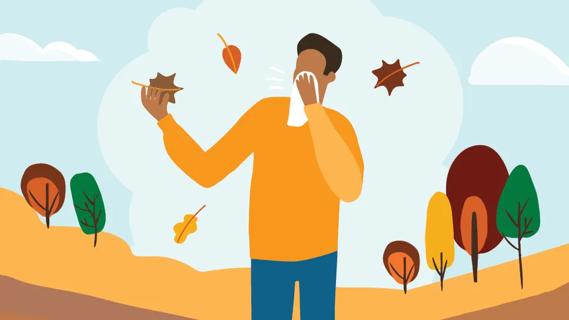
Autumn allergens typically begin to bloom — and release their pesky pollen — around August
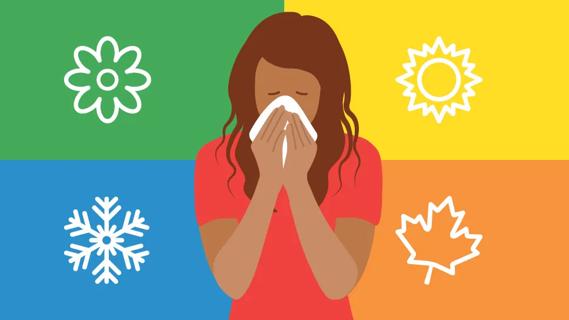
Aging, time of day, time of year and weather patterns can all make your allergies worse
Drowsiness can be a side effect of inflammation, disrupted sleep and, sometimes, your allergy medicine
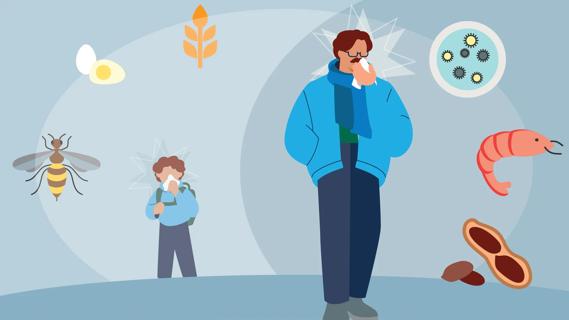
Changes in your immune system, environment and exposure can all cause allergy symptoms to fade with time

The research is mixed, but experts agree: The risks outweigh the benefits

Keeping your windows closed, showering before bed and using OTC allergy meds may help keep summer sniffles at bay
The right choice for you depends on your symptoms, but options like nasal sprays and antihistamines can offer relief
When your allergies flare up depends on your location, immune health, personal triggers and more

Managing your weight through physical activity may lower your chances of getting this common cancer

It typically starts in October and winds down in early spring, with cases at their highest in the middle of winter

Anxiety disorders, health conditions and past trauma can make driving nerve-wracking — help is available
 Search










