Locations:





5 noninvasive options for relief
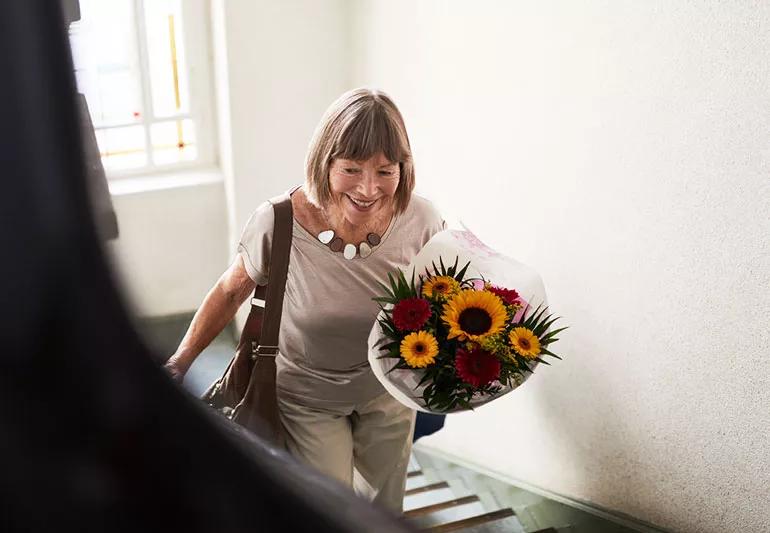
Image content: This image is available to view online.
View image online (https://assets.clevelandclinic.org/transform/11463947-3ed3-4c47-8619-cbb12b2587dc/womanWalkUpstairs-1171931356-770x553-1_jpg)
Woman walks upstairs
Age is just a number. But when you have spinal stenosis, your spine reminds you of your age in some pretty unpleasant ways. This common condition is often a result of something we can’t avoid: getting older.
Advertisement
Cleveland Clinic is a non-profit academic medical center. Advertising on our site helps support our mission. We do not endorse non-Cleveland Clinic products or services. Policy
As you age, the bones in your spine (vertebrae) can move closer together. This shift may happen when:
Whatever the cause, spinal stenosis means one thing: Less space in the spine, resulting in pinched nerves. You’ll notice symptoms such as numbness, decreased stamina, tingling and pain.
Only surgery can reverse or cure spinal stenosis. But many people can manage their symptoms and lead an active life despite this condition. Pain management specialist Robert Bolash, MD, has some tips that can help.
Exercise can help build muscles in the legs, abdomen and back. Stronger muscles can support the spine and take some pressure off the pinched nerves.
Any exercise you enjoy can help. But Dr. Bolash recommends water exercise if you can get to a pool.
“Swimming and other aquatic activities are great for spinal stenosis because you use the buoyancy of water to your advantage,” Dr. Bolash explains. “Water workouts are easier on the spine and all the joints. At the same time, the resistance in the water helps you strengthen your muscles.”
Advertisement
In the absence of a pool, you have other exercise options. Dr. Bolash recommends exercises that allow you to lean forward slightly, including:
“Many people find that leaning forward offers them relief from spinal pressure,” Dr. Bolash says. “It opens up the spine a little bit.”
However, if you’re in too much pain to exercise, Dr. Bolash doesn’t recommend pushing through it alone. “If you’re skipping activities or you can’t function normally, make an appointment with your doctor,” he says. “There are plenty of treatment options that could help you.”
Excess weight can worsen the pain of spinal stenosis. “Extra body weight puts additional pressure on the spine,” Dr. Bolash explains. “Losing weight can bring relief.”
If you’re getting more active with the tips mentioned above, you may already have this covered. Exercise is a great way to burn calories and work toward a healthy weight.
But also watch your diet for maximum weight loss success. Eating too many calories could undo the calorie burning you accomplished on that bike ride.
Turmeric is a plant related to ginger, and people have used it for thousands of years. It’s a flavorful spice for cooking, but you can also take it as a supplement. “Turmeric has some promising evidence of pain relief,” Dr. Bolash says.
We don’t have solid proof that turmeric works for spinal stenosis pain. However, some studies show that it could help relieve arthritis pain. And arthritis is a common trigger of spinal stenosis.
Dr. Bolash says turmeric may be worth a try, along with exercise and weight loss. It could interact with certain medicines, however, so ask your doctor first.
Physical therapy (PT) is completely noninvasive and highly effective, says Dr. Bolash.
“Physical therapy is the hallmark of treatment for spinal stenosis,” he says. “The goal is to condition the muscles to decrease pressure on the areas of pain.”
During a PT appointment, a licensed physical therapist guides you through strengthening or stretching exercises. The therapist customizes these exercises for your areas of pain, fitness level and body type.
Seems simple, right? So can you just look up online videos for spinal stenosis exercises? You can do that, Dr. Bolash notes, but you won’t get the same results. “A physical therapist is an expert in the musculoskeletal system. And having an expert will always get you the best outcome.”
If you go this route, you may find that the exercises are challenging. “PT requires time and effort,” Dr. Bolash says. “But the benefit comes with the effort you put in.”
Advertisement
The pain of spinal stenosis can stop you in your tracks. But that doesn’t mean you have to proceed immediately to the operating room. A few healthy lifestyle changes could be enough to get you back to the things you love.
Advertisement

Sign up for our Health Essentials emails for expert guidance on nutrition, fitness, sleep, skin care and more.
Learn more about our editorial process.
Advertisement
Fibromyalgia causes widespread pain — and now we know more about the root cause
A few simple adjustments to your chair, desk and computer can help reduce strain
Spine curvature may be a possible sign of hypochondroplasia, but it typically doesn’t need serious medical intervention
Lower your risk by sticking to the right dose and avoiding long-term use without medical guidance
Spinal blocks provide complete numbing for shorter periods, while epidurals can allow for some feeling
Try seated and standing exercises to help lengthen and strengthen the muscles that support your plantar fascia
Hanging upside down for any length of time may decompress the tension in your spine
Sensory deprivation therapy can help relieve stress, improve sleep and decrease physical pain
Rapid weight loss can cause loose skin, facial volume loss and body contour changes
Swallowing too much air, certain foods and drinks, and digestive conditions can all make you belch more
From poor hand hygiene and ventilation issues to contaminated food, many factors can make infectious diseases spread quickly
 Search










