Locations:





This TikTok trend can cause injuries, infections and inflammation
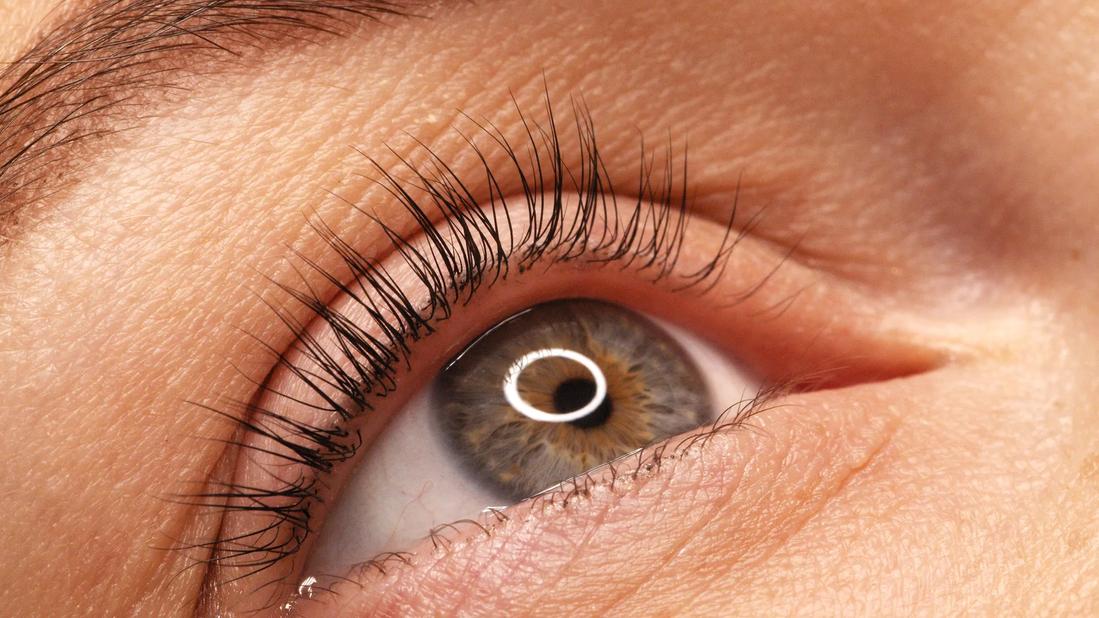
Image content: This image is available to view online.
View image online (https://assets.clevelandclinic.org/transform/bee6c0cd-4093-488a-ae46-23094da63686/eyelashes-closeup-1423975322)
An eye with long eyelashes
The internet’s full of videos of people giving themselves bangs, shaping their brows and removing hair from ... well, everywhere. So maybe it shouldn’t be shocking that a TikTok grooming trend has people taking scissors to their eyelashes.
Advertisement
Cleveland Clinic is a non-profit academic medical center. Advertising on our site helps support our mission. We do not endorse non-Cleveland Clinic products or services. Policy
It may leave you asking, Should I trim my eyelashes?
Dermatologist Stephanie Trovato, MD, explains why cutting eyelashes is such a bad idea — and why you have those wispy little hairs in the first place.
Medical professionals generally don’t recommend trimming eyelashes.
“Lashes typically have a limited growth cycle, and they rarely reach a length that would pose a problem,” Dr. Trovato says. (More on extra-long lashes in a bit.)
Of course, most people latching onto this trend aren’t doing it for their health. They’re doing it because a small group of social media influencers says that eyelashes make men look feminine.
Grooming trends come and go. But from a dermatologic and ophthalmologic perspective, your eyelashes should really stay put. Here’s why.
Trimming eyelashes is a risky practice for many reasons.
Let’s start with the obvious: You’re putting a sharp object near your eye. A sharp object that could introduce bacteria, especially if it isn’t clean. You don’t need to be a fan of horror movies to picture that choice backfiring on you!
Beyond injuring your eye or eyelid, a lash trim could also cause irritation, raising your risk of:
Advertisement
“In some cases, cutting or trimming your eyelashes could contribute to problems like eyelid inflammation (blepharitis), which requires treatment,” Dr. Trovato says.
Here’s something else you may not have thought of: Cutting your eyelashes can disrupt your tear film — the invisible liquid barrier that coats your eyes. The result? Dry, itchy eyes.
Even if all goes well, you’ll still be left without the benefits lashes offer.
Your eyelashes aren’t just decorative. They’re functional, too, helping protect and maintain the delicate environment around your eyes.
“Eyelashes act as a barrier, reducing the amount of dust and debris that gets on the surface of your eye,” Dr. Trovato explains. “Their natural curve also diverts liquids and irritants like sweat away from your eye.”
Another fun fact about eyelashes: If something touches them, they can trigger your blink reflex.
Unless, of course, you cut them.
“Your lashes serve as natural protection for your eyes,” she continues. “Removing or trimming them can increase the risk of dust and debris making it onto the surface of your eye. That can lead to inflammation, irritation and other symptoms.”
If you’ve just gone to town on your lashes for the first time, there’s good news: They should grow back. But the process may look (and feel) a bit awkward. And it’ll take a while to restore them to their former glory.
The answer gets more complex if you make a habit of it.
“If the follicles are intact and unharmed, we’d expect your eyelashes to grow back after cutting,” Dr. Trovato says. “But repeated trauma, inflammation or infection could damage them and hinder regrowth.”
One other thing: Don’t believe anyone who tells you that cutting or trimming your lashes will make them more lustrous.
“There’s no evidence to suggest that trimming or removing eyelashes helps them grow back longer or thicker,” she adds.
The best way to get thicker, fuller lashes? Add mascara or ask your doctor to discuss your concerns further.
While rare, there are situations when your eyelashes need a doctor’s care. In those cases, your provider may choose to trim or remove problem lashes. But treatment is often focused on correcting the underlying problem — and in these cases, your doctor will advise the best course of action.
Here are some conditions that may require an eyelash intervention.
Advertisement
“These conditions should be diagnosed by a board-certified dermatologist, a board-certified ophthalmologist or a licensed optometrist — and managed in a sterile medical setting,” Dr. Trovato stresses.
You should also contact a provider if you have symptoms like:
There’s nothing wrong with being particular about your appearance. And if you find your lashes long, unattractive or hard to manage, the urge to do some extreme grooming is understandable. But trimming eyelashes is a risky practice. And it won’t fix the problem.
Before taking a pair of scissors to your lashes, talk to a provider. They can help you find a better, safer way to address your concerns. Your eyes will thank you.
Advertisement

Sign up for our Health Essentials emails for expert guidance on nutrition, fitness, sleep, skin care and more.
Learn more about our editorial process.
Advertisement
Eyes typically increase to full size during two growth spurts in childhood
Act quickly by locating the object, gently removing the debris and flushing your eye

Once your baby’s eyes are exposed to more light, they may start to deepen in hue or change color altogether, usually between 3 and 9 months
Many factors, like eyelid irritation, cosmetic lash procedures and underlying health conditions, can affect your eyelashes

A diet built around fruits, vegetables and healthy fats is a clear 20/20 benefit for your vision
It takes millions of moving parts within the eye to make the power of vision possible
Cosmetic procedures such as iris implants and corneal tattooing bring a risk of vision loss

It’s critical to have the proper eyewear if you plan to look up at the sun, especially during the total solar eclipse on April 8, 2024

Managing your weight through physical activity may lower your chances of getting this common cancer

It typically starts in October and winds down in early spring, with cases at their highest in the middle of winter

Anxiety disorders, health conditions and past trauma can make driving nerve-wracking — help is available
 Search










